Exploring the AI Behind Autonomous Driving

Autonomous driving technology relies heavily on three key AI components: machine learning, computer vision, and sensor fusion. These technologies empower self-driving cars to navigate complex environments with precision. Machine learning enables vehicles to make informed decisions by recognizing patterns in data. Computer vision allows cars to interpret their surroundings, while sensor fusion combines data from various sensors for accurate perception. Notably, over 82% of companies are exploring AI, highlighting its significance in transforming industries, including transportation. AI autonomous driving represents a pivotal advancement, promising safer and more efficient travel.
Core Technologies in AI Autonomous Driving
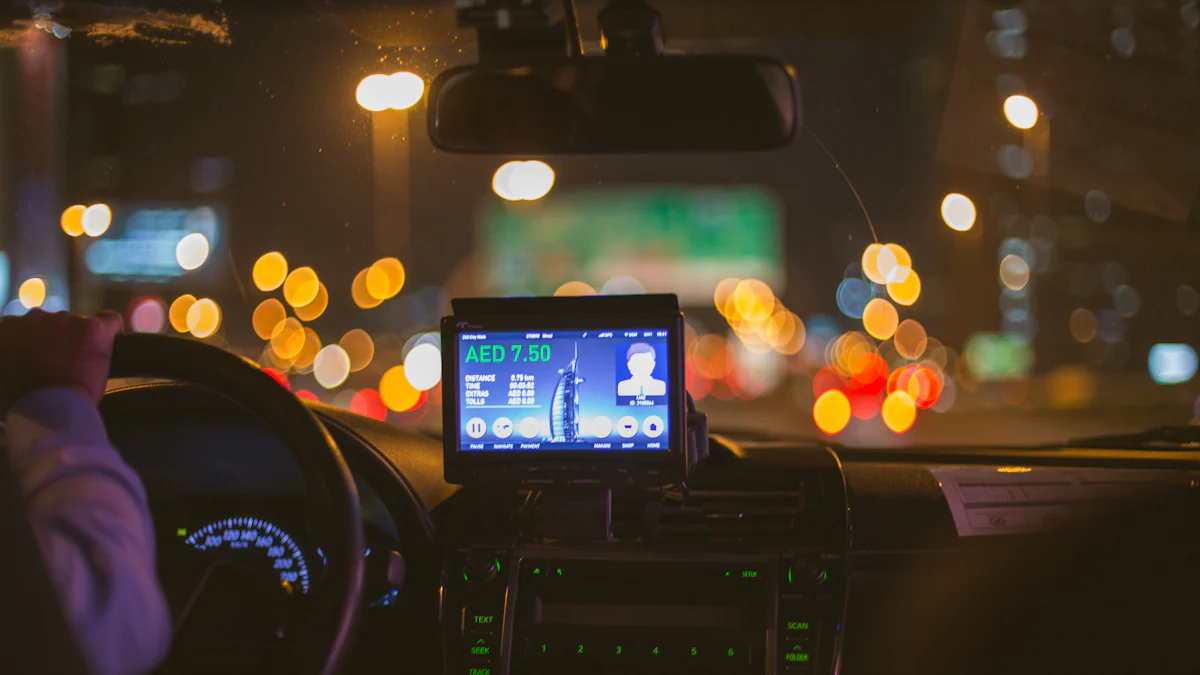
Machine Learning
Machine learning plays a crucial role in AI autonomous driving. It empowers vehicles to make decisions by analyzing vast amounts of data. These systems learn from previous experiences, allowing them to predict and react to various driving scenarios. For instance, machine learning algorithms can identify traffic patterns, enabling cars to adjust their speed and route accordingly. This capability enhances the vehicle's decision-making process, ensuring safer and more efficient travel.
Role in Decision-Making
In AI autonomous driving, decision-making relies heavily on machine learning. The technology processes data from sensors and cameras to determine the best course of action. For example, when a pedestrian crosses the street, the system quickly analyzes the situation and decides whether to stop or slow down. This rapid decision-making ability is vital for maintaining safety on the road.
Pattern Recognition Capabilities
Machine learning excels in recognizing patterns, which is essential for autonomous vehicles. By identifying patterns in traffic flow, road conditions, and driver behavior, these systems can anticipate potential hazards. This foresight allows AI autonomous driving systems to adapt to changing environments, improving overall performance and safety.
Computer Vision
Computer vision enables self-driving cars to "see" their surroundings. This technology uses cameras and sensors to capture images and videos, which are then processed to understand the environment. By interpreting visual data, computer vision helps vehicles navigate complex roadways and avoid obstacles.
How It Helps Cars 'See'
Computer vision provides vehicles with the ability to perceive their environment. Cameras capture real-time images, which the system analyzes to identify objects such as other cars, pedestrians, and traffic signals. This visual information is crucial for making informed driving decisions.
Interpretation of Surroundings
Interpreting surroundings is a key function of computer vision in AI autonomous driving. The technology processes visual data to understand the layout of the road, detect lane markings, and recognize traffic signs. This understanding allows vehicles to navigate safely and efficiently, even in challenging conditions.
Sensor Fusion
Sensor fusion combines data from multiple sources to create a comprehensive view of the vehicle's environment. By integrating information from cameras, radar, and LiDAR, sensor fusion ensures accurate perception and enhances the vehicle's ability to make informed decisions.
Combining Data from Various Sensors
In AI autonomous driving, sensor fusion merges data from different sensors to provide a complete picture of the surroundings. This integration allows the system to cross-verify information, reducing the likelihood of errors. For example, if a camera detects an object, radar can confirm its presence and distance, ensuring accurate detection.
Ensuring Accurate Perception
Accurate perception is vital for the success of AI autonomous driving. Sensor fusion enhances this capability by providing a detailed and reliable view of the environment. This comprehensive understanding enables vehicles to navigate safely, avoiding potential hazards and ensuring a smooth driving experience.
Supporting Technologies for AI Autonomous Driving
Lidar and Radar
Lidar and radar technologies play a crucial role in the functionality of AI autonomous driving systems. These sensors provide essential data that help vehicles understand their surroundings and make informed decisions.
Importance in Object Detection
Lidar and radar are indispensable for object detection in autonomous vehicles. Lidar, short for "light detection and ranging," uses laser pulses to create high-resolution, 3D maps of the environment. This technology allows vehicles to detect, identify, and classify objects with precision. Radar, on the other hand, uses radio waves to detect objects and measure their size, velocity, and direction. It excels in adverse weather conditions like fog, rain, or snow, where lidar might struggle. By combining these technologies, autonomous vehicles can accurately detect potential hazards and navigate safely.
Measuring Distances
Accurate distance measurement is vital for the safe operation of self-driving cars. Lidar sensors send millions of laser pulses in all directions, measuring how long it takes for them to bounce back off objects. This process creates a detailed 3D map of the vehicle's surroundings, allowing for precise distance calculations. Radar complements this by providing reliable velocity measurements, ensuring that vehicles can maintain safe distances from other objects on the road. The integration of lidar and radar technologies enhances the vehicle's ability to traverse complex urban landscapes with confidence.
GPS and Mapping
GPS and mapping technologies are fundamental to the navigation and route planning capabilities of AI autonomous driving systems. They provide the necessary data for vehicles to determine their location and plan efficient routes.
Assistance in Navigation
GPS technology enables autonomous vehicles to pinpoint their exact location on the road. This information is crucial for navigation, as it allows the vehicle to follow predetermined routes and make real-time adjustments based on traffic conditions. Mapping technologies complement GPS by providing detailed maps of the area, including road layouts, traffic signs, and points of interest. Together, these technologies ensure that autonomous vehicles can navigate accurately and efficiently.
Route Planning
Route planning is a critical aspect of AI autonomous driving. By leveraging GPS and mapping data, vehicles can plan optimal routes that minimize travel time and fuel consumption. These systems analyze traffic patterns, road conditions, and other factors to determine the best path to the destination. This capability not only enhances the efficiency of autonomous vehicles but also contributes to a smoother and more enjoyable travel experience for passengers.
Integration and Challenges in AI Autonomous Driving

AI autonomous driving relies on the seamless integration of various technologies. Each component, from machine learning to sensor fusion, must work in harmony to ensure the vehicle operates smoothly. The integration process involves combining data from multiple sensors, such as cameras, radar, and LiDAR, to create a comprehensive understanding of the vehicle's surroundings. This data fusion allows the system to make informed decisions quickly and accurately.
How Technologies Work Together
The collaboration between different technologies is crucial for the success of AI autonomous driving. Machine learning algorithms process data from sensors to recognize patterns and predict potential hazards. Computer vision interprets visual information, helping the vehicle understand its environment. Sensor fusion combines these inputs, providing a unified view that enhances decision-making. This synergy ensures that the vehicle can navigate complex environments safely and efficiently.
Ensuring Seamless Operation
Achieving seamless operation in AI autonomous driving requires rigorous testing and validation. Engineers must ensure that all systems communicate effectively and respond appropriately to real-world scenarios. This involves extensive simulations and real-world testing to identify and address potential issues. By refining these systems, developers can enhance the reliability and safety of autonomous vehicles, paving the way for widespread adoption.
Challenges
Despite significant advancements, AI autonomous driving faces several challenges. These include technological limitations, safety concerns, and ethical dilemmas. Addressing these issues is essential for the successful deployment of autonomous vehicles.
Current Technology Integration Issues
Integrating diverse technologies into a cohesive system presents numerous challenges. Inconsistencies in data interpretation can lead to errors in decision-making. For instance, discrepancies between sensor inputs may result in incorrect object detection or misjudgment of distances. Developers must continuously refine algorithms and improve sensor accuracy to overcome these hurdles.
Safety Concerns
Safety remains a top priority in AI autonomous driving. Autonomous vehicles must operate without accidents, ensuring the safety of passengers and pedestrians. However, achieving this level of safety requires thorough testing and robust safety measures. High-profile accidents have highlighted the need for improved safety protocols and regulatory scrutiny. Additionally, ethical dilemmas, such as decision-making in life-threatening situations, pose significant challenges. Building public trust and acceptance of autonomous vehicles hinges on addressing these concerns effectively.
The exploration of AI Autonomous Driving reveals the transformative potential of key technologies like machine learning, computer vision, and sensor fusion. These innovations promise to revolutionize transportation by enhancing safety and efficiency. Ongoing advancements continue to refine these systems, addressing ethical considerations and regulatory requirements. The future impact on transportation is profound, offering safer roads and improved mobility. As AI Autonomous Driving evolves, it holds the promise of reshaping how society navigates the world, ensuring a more connected and secure travel experience.
See Also
Leading Figures Shaping The Global Intelligent Control Sector
Investigating iFlight's Influence Within The Tech Hub
The Role Of Huizhou Zhongkai In Fostering Innovation
Discovering Zhongkai High-Tech Zone As An Innovation Center
Revealing Zhongkai's Unexpected Advantages For Mobile Manufacturing

Zhongkai High tech Zone National foreign trade transformation and Upgradi Base(Electronic Information)Cloud Platform.
Address: Zhongkai High-tech Zone,Huizhou City ,Guangdong,China
E-mail: huizhoueii@163.com 13510001271@163.com
Tel: +86-0752-3279220 Mobile: +86-13510001271
