The Future of Neuromorphic Computing with Bio-inspired AI Models


Neuromorphic computing, inspired by the human brain, represents a groundbreaking approach to artificial intelligence. By mimicking the neural structure and processes of biological systems, it enables machines to process information with remarkable efficiency and adaptability. AI Bio-inspired Computing plays a pivotal role in this evolution, drawing from nature’s designs to create smarter, energy-efficient systems. This innovative fusion has the potential to revolutionize industries, offering sustainable solutions to modern computing challenges while addressing the growing demand for energy-efficient technologies.
Key Takeaways
Neuromorphic computing mimics the human brain's structure, enabling machines to process information more efficiently and adaptively.
Spiking Neural Networks (SNNs) enhance real-time decision-making by processing information through discrete spikes, similar to how neurons communicate.
Innovations like IBM's TrueNorth and Intel's Loihi chips demonstrate significant advancements in neuromorphic hardware, offering superior energy efficiency and performance.
Neuromorphic systems excel in applications such as robotics and sensory processing, improving capabilities in real-time data analysis and decision-making.
AI Bio-inspired Computing promotes sustainability by reducing energy consumption and electronic waste, making it a key player in green technology.
Addressing ethical concerns, such as privacy violations and biases in AI models, is crucial for the responsible development of neuromorphic systems.
The future of computing lies in the integration of biological principles with advanced technology, promising smarter and more sustainable solutions.
The Current State of Neuromorphic Computing
Neuromorphic computing has emerged as a transformative field, blending biology-inspired principles with advanced technology to replicate the brain's efficiency. This section explores the key technologies driving this innovation and highlights its practical applications across industries.
Key Technologies in Neuromorphic Computing
Spiking Neural Networks (SNNs) and Their Biological Inspiration
Spiking Neural Networks (SNNs) represent a significant leap in artificial intelligence. Unlike traditional neural networks, SNNs process information through discrete spikes, mimicking the way neurons communicate in the human brain. This biologically inspired approach enables more efficient and dynamic data processing. SNNs excel in tasks requiring real-time decision-making and adaptability, making them ideal for neuromorphic systems. By emulating the brain's natural processes, SNNs pave the way for energy-efficient and high-performance computing.
Neuromorphic Hardware Advancements, Such as IBM TrueNorth and Intel Loihi
Neuromorphic hardware has seen remarkable advancements, with companies like IBM and Intel leading the charge. IBM's TrueNorth chip, developed over a decade, emulates the brain's neurons and synapses. It excels in pattern detection and real-time sensor data processing, offering unparalleled efficiency. Intel's Loihi chip, another groundbreaking innovation, simulates neuron and synapse behavior. It provides a platform for developing AI algorithms that mimic biological systems. These chips outperform traditional processors in energy efficiency and parallel processing, making them essential for the future of AI Bio-inspired Computing.
"TrueNorth and Loihi represent the forefront of neuromorphic technology, combining biological inspiration with cutting-edge engineering to redefine computing efficiency."
Applications of Neuromorphic Computing
Real-time Data Processing in Robotics and Autonomous Systems
Neuromorphic computing has revolutionized robotics and autonomous systems. Its ability to process real-time data with minimal latency enhances decision-making and adaptability. Robots equipped with neuromorphic processors can navigate complex environments, respond to dynamic changes, and perform tasks with precision. Autonomous vehicles benefit from this technology by processing sensory data efficiently, ensuring safer and more reliable operations.
Enhancements in Sensory Processing, Including Vision and Speech Recognition
Sensory processing has seen significant improvements through neuromorphic computing. Vision systems powered by neuromorphic chips can analyze images and videos with exceptional speed and accuracy. This capability is crucial for applications like surveillance, medical imaging, and augmented reality. Similarly, speech recognition systems leverage neuromorphic technology to process audio data in real time, enabling more natural and responsive interactions in virtual assistants and communication devices.
Neuromorphic computing continues to evolve, driven by innovations in hardware and algorithms. Its applications span diverse fields, offering solutions that are not only efficient but also sustainable. As the technology matures, its potential to transform industries becomes increasingly evident.
The Role of AI Bio-inspired Computing in Advancing Neuromorphic Systems
AI Bio-inspired Computing has become a cornerstone in the advancement of neuromorphic systems. By drawing inspiration from biological processes, it bridges the gap between artificial intelligence and natural intelligence. This section delves into how biomimicry and bio-inspired algorithms are shaping the future of neuromorphic computing.
Biomimicry in Neuromorphic Hardware
Biological Neurons and Synapses as Models for Chip Design
Neuromorphic hardware takes its cues from the intricate workings of biological neurons and synapses. These natural structures serve as blueprints for designing chips that replicate the brain's ability to process information efficiently. Unlike traditional processors, neuromorphic chips emulate the brain's parallel processing capabilities, enabling them to handle complex tasks with minimal energy consumption. This approach not only enhances computational efficiency but also aligns with the growing demand for sustainable technologies.
Research institutions such as Caltech and Stanford University have made significant strides in this area. Their work focuses on creating hardware that mimics the brain's adaptability and learning mechanisms. These innovations are paving the way for devices that can process data in real time while consuming a fraction of the energy required by conventional systems.
Examples of Bio-inspired Hardware Innovations
Several groundbreaking innovations highlight the potential of biomimicry in neuromorphic hardware. For instance, memristors, which emulate the synaptic functions of the brain, have emerged as a game-changer. These components enable neuromorphic systems to store and process information simultaneously, much like the human brain. This capability reduces latency and improves overall system performance.
Another notable example is the development of chips like IBM's TrueNorth and Intel's Loihi. These chips incorporate bio-inspired designs to achieve unparalleled efficiency and adaptability. TrueNorth, with its one million programmable neurons, excels in pattern recognition and sensory data processing. Loihi, on the other hand, supports advanced learning algorithms, making it ideal for applications requiring real-time decision-making.
"The integration of biological principles into hardware design is not just an innovation; it is a revolution in computing efficiency and sustainability."
Bio-inspired Algorithms and Models
Evolutionary Algorithms for Adaptive Learning
Evolutionary algorithms play a crucial role in enhancing the adaptability of neuromorphic systems. These algorithms mimic the process of natural selection, enabling systems to evolve and optimize their performance over time. By iteratively testing and refining solutions, evolutionary algorithms help neuromorphic systems adapt to changing environments and complex challenges.
This approach has proven particularly effective in robotics and autonomous systems. Robots equipped with neuromorphic processors can learn from their interactions with the environment, improving their decision-making and operational efficiency. This capability underscores the transformative potential of AI Bio-inspired Computing in creating intelligent, self-learning systems.
Hebbian Learning Principles in Spiking Neural Networks
Hebbian learning, often summarized as "cells that fire together, wire together," forms the foundation of many bio-inspired algorithms. This principle has been instrumental in the development of Spiking Neural Networks (SNNs), which emulate the brain's communication processes. By strengthening connections between frequently activated neurons, Hebbian learning enables SNNs to adapt and improve their performance over time.
SNNs leveraging Hebbian learning excel in tasks requiring real-time adaptability, such as sensory processing and pattern recognition. Their ability to process information dynamically makes them a cornerstone of neuromorphic computing. As research progresses, the integration of Hebbian principles into neuromorphic systems promises to unlock new levels of efficiency and functionality.
AI Bio-inspired Computing continues to drive innovation in neuromorphic systems. By combining biomimicry with advanced algorithms, it offers solutions that are not only efficient but also sustainable. These advancements hold the potential to revolutionize industries, from robotics to data processing, while addressing the pressing need for energy-efficient technologies.
Sustainability Through AI Bio-inspired Computing
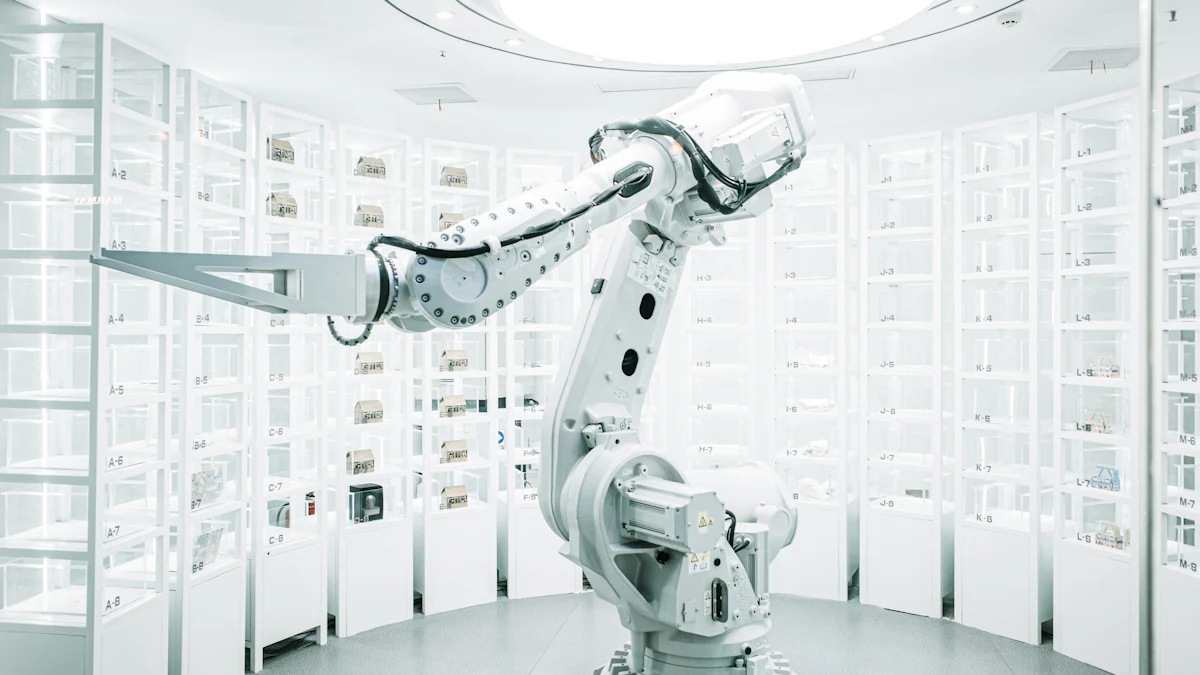
Energy Efficiency in Neuromorphic Systems
Neuromorphic systems excel in energy efficiency, setting them apart from traditional computing technologies. These systems consume significantly less power by mimicking the brain's natural processes. For instance, neuromorphic chips can use up to 100,000 times less power than conventional computers for specific tasks. This remarkable reduction stems from their ability to process information in parallel, eliminating the need for energy-intensive sequential computations.
Energy-efficient neuromorphic chips, such as Intel's Loihi and IBM's TrueNorth, demonstrate this capability. Loihi, designed for adaptive learning, consumes minimal energy while handling complex workloads like simultaneous localization and mapping (SLAM). In robotics, these chips reduce energy consumption by up to 100 times compared to traditional processors. TrueNorth, with its one million programmable neurons, achieves similar efficiency in pattern recognition and sensory data processing. These advancements highlight the transformative potential of AI Bio-inspired Computing in creating sustainable technologies.
"Neuromorphic computing redefines energy efficiency, offering a pathway to scalable and sustainable solutions for modern computing challenges."
Environmental Benefits of Bio-inspired Computing
The environmental impact of neuromorphic systems extends beyond energy savings. These systems contribute to reducing electronic waste (e-waste) by prioritizing durability and efficiency in design. Traditional computing systems often require frequent upgrades, leading to significant e-waste generation. Neuromorphic chips, with their robust architecture and lower energy demands, offer a longer operational lifespan, minimizing the need for replacements.
In large-scale data centers, bio-inspired computing paves the way for green computing practices. Data centers consume vast amounts of energy, primarily for cooling and processing. Neuromorphic systems, with their low power consumption, reduce the energy footprint of these facilities. This shift not only lowers operational costs but also aligns with global sustainability goals. By integrating AI Bio-inspired Computing into data center operations, companies can achieve significant environmental benefits while maintaining high performance.
The combination of energy efficiency and environmental responsibility positions neuromorphic computing as a cornerstone of sustainable technology. Its ability to address pressing ecological concerns while delivering cutting-edge performance underscores its importance in shaping the future of computing.
Challenges and Limitations of AI Bio-inspired Neuromorphic Systems
Technical Challenges
Complexity in Designing and Integrating Bio-inspired Hardware
Designing bio-inspired hardware presents significant technical hurdles. Engineers must replicate the intricate structure and functionality of biological neurons and synapses. This process demands advanced materials, precise fabrication techniques, and innovative architectures. Neuromorphic chips, unlike traditional processors, require unique designs to emulate the brain's parallel processing capabilities. These designs often involve complex circuitry, which increases production costs and development time.
Integration into existing systems adds another layer of complexity. Traditional computing infrastructures rely on well-established architectures. Neuromorphic systems, with their unconventional designs, face compatibility issues. Developers must create specialized software and interfaces to bridge this gap. This challenge slows adoption and limits the widespread application of neuromorphic technologies.
Scalability and Performance Optimization Limitations
Scaling neuromorphic systems to handle large-scale applications remains a daunting task. Biological brains operate with billions of neurons and trillions of synapses. Replicating this scale in hardware requires immense computational resources and energy efficiency. Current neuromorphic chips, while innovative, struggle to match the brain's capacity for parallel processing and adaptability.
Performance optimization also poses challenges. Neuromorphic systems excel in specific tasks, such as pattern recognition and real-time data processing. However, they often fall short in general-purpose computing. Researchers must balance energy efficiency with computational power to enhance performance. This trade-off limits the versatility of neuromorphic systems, restricting their use in diverse applications.
"The journey to scalable and efficient neuromorphic systems mirrors the complexity of the human brain, requiring breakthroughs in both hardware and software design."
Ethical and Societal Concerns
Risks of Misuse in Surveillance and Privacy Violations
The integration of bio-inspired AI models into neuromorphic systems raises ethical concerns. These systems, with their advanced sensory processing capabilities, can enhance surveillance technologies. Governments and organizations may misuse this technology to monitor individuals without consent. Such practices threaten privacy and civil liberties, sparking debates about the ethical use of AI.
Neuromorphic systems, designed for real-time data processing, can analyze vast amounts of information quickly. This capability, while beneficial, increases the risk of misuse. For instance, facial recognition systems powered by neuromorphic chips could track individuals in public spaces. Without proper regulations, these technologies may infringe on personal freedoms and create a surveillance-driven society.
Addressing Biases in Bio-inspired AI Models
Bias in AI models remains a pressing issue. Bio-inspired algorithms, like evolutionary and Hebbian learning, rely on historical data for training. This data often contains biases related to gender, race, or socioeconomic status. Neuromorphic systems, when trained on biased data, may perpetuate these inequalities. Addressing this issue requires careful data curation and algorithmic transparency.
Researchers and ethicists emphasize the importance of collaboration between neuroethics and AI ethics. These fields, though distinct, share common goals in addressing societal challenges. A unified approach can help identify and mitigate biases in bio-inspired AI models. By fostering interdisciplinary research, developers can create fair and inclusive technologies.
"Ethical considerations in neuromorphic computing extend beyond technical challenges, encompassing societal values and human rights."
The development of AI bio-inspired neuromorphic systems offers immense potential. However, addressing technical and ethical challenges is crucial for their responsible adoption. By overcoming these limitations, researchers can unlock the full potential of neuromorphic technologies while ensuring their alignment with societal values.
AI Bio-inspired Computing has unlocked a transformative era for neuromorphic systems. By integrating biological principles into technology, it offers unparalleled efficiency and adaptability. These advancements address critical challenges like energy consumption and scalability, paving the way for sustainable computing solutions. Neuromorphic systems, inspired by the brain's natural processes, promise to revolutionize industries with their robust learning capabilities and real-world problem-solving potential.
As research progresses, these innovations will drive technological breakthroughs and environmental progress. The future of computing lies in this synergy of biology and AI, shaping a smarter, greener, and more efficient world.
See Also
Leading Figures Shaping The Global Intelligent Control Sector
Innovative Progress: The Huizhou Zhongkai High-Tech Zone's Vision
Zhongkai's Breakthrough in High-Energy Battery Technology

Zhongkai High tech Zone National foreign trade transformation and Upgradi Base(Electronic Information)Cloud Platform.
Address: Zhongkai High-tech Zone,Huizhou City ,Guangdong,China
E-mail: huizhoueii@163.com 13510001271@163.com
Tel: +86-0752-3279220 Mobile: +86-13510001271
