AI Computer Vision Tools You Can't Ignore

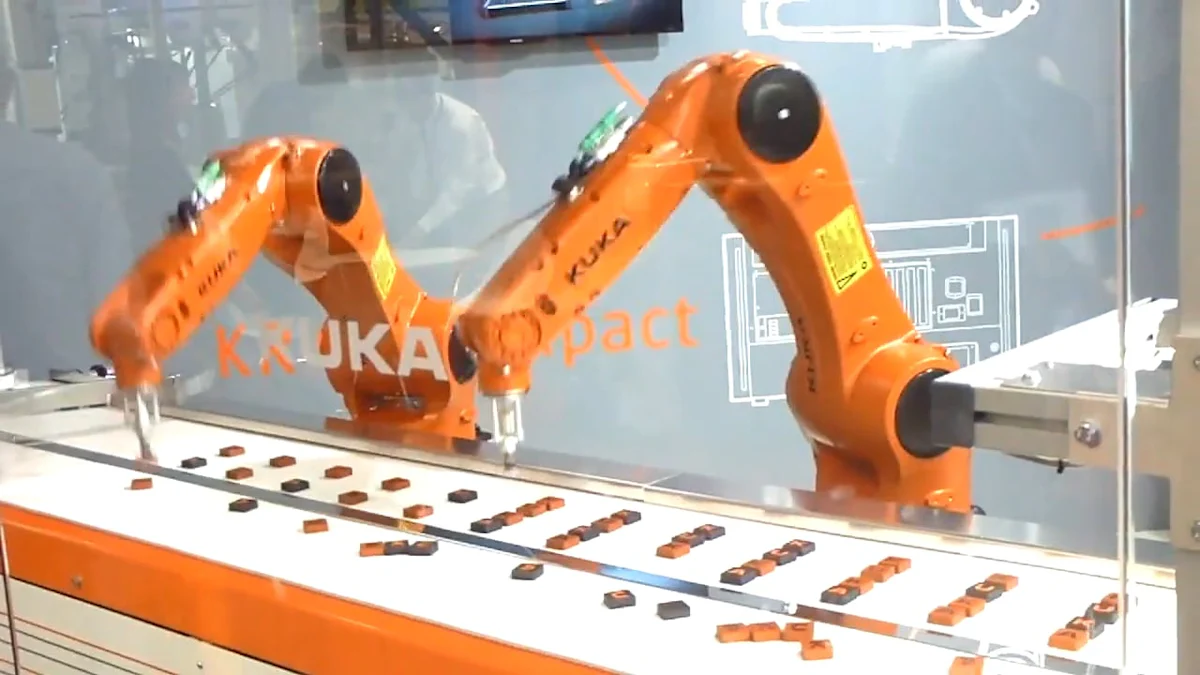
AI computer vision plays a pivotal role in modern industries, driving innovation and efficiency. This technology is transforming sectors by enabling machines to interpret and process visual data. The global AI in computer vision market is projected to grow significantly, reaching approximately $207.09 billion by 2030. This growth highlights the indispensable nature of computer vision tools in today's technological landscape. These tools are crucial for enhancing automation, improving quality inspection, and fostering advancements across various fields. As industries continue to adopt these solutions, they unlock new possibilities and streamline operations.
OpenCV in Computer Vision

OpenCV stands as a cornerstone in the realm of computer vision, offering a robust suite of features and capabilities that cater to diverse needs. This open-source computer vision library boasts an extensive collection of algorithms, making it a go-to choice for developers and researchers alike.
Features and Capabilities
Extensive Library for Image Processing
OpenCV provides a comprehensive library for image processing, supporting a wide range of tasks from basic operations to complex transformations. It excels in handling various image formats and depths, ensuring versatility in application. The library's efficiency allows users to perform tasks such as filtering, edge detection, and color space conversions with ease.
Real-Time Computer Vision Applications
Real-time processing is a hallmark of OpenCV, enabling the development of applications that require immediate feedback. This capability is crucial for scenarios like video surveillance, where timely analysis of visual data is paramount. OpenCV's optimized algorithms ensure that real-time computer vision applications run smoothly, even on resource-constrained devices.
Benefits
Open-Source and Widely Supported
As an open-source tool, OpenCV enjoys widespread support from a global community of developers. This support translates into continuous updates and improvements, keeping the library at the forefront of computer vision technology. Users benefit from a wealth of resources, including tutorials and forums, which facilitate learning and troubleshooting.
Versatile for Different Platforms
OpenCV's versatility extends to its compatibility with multiple programming languages, including C++, Java, and Python. This flexibility allows developers to integrate OpenCV into various platforms, from desktop applications to mobile devices. Its adaptability ensures that users can leverage its capabilities across different environments.
Real-World Applications
Use in Robotics and Automation
In robotics, OpenCV plays a pivotal role in enabling machines to perceive and interact with their surroundings. It aids in tasks such as object recognition and navigation, enhancing the autonomy of robots. Automation systems also benefit from OpenCV's capabilities, using it to streamline processes and improve efficiency.
Application in Augmented Reality
Augmented reality (AR) applications rely heavily on computer vision tools like OpenCV to overlay digital information onto the physical world. OpenCV facilitates the detection and tracking of objects, allowing AR applications to provide immersive and interactive experiences. Its real-time processing capabilities ensure that these applications remain responsive and engaging.
TensorFlow and Keras for AI Computer Vision
TensorFlow and Keras stand as powerful allies in the realm of AI computer vision. These tools provide robust frameworks that simplify the development of complex models, making them indispensable in the field of computer vision technology.
Features and Capabilities
Deep Learning Frameworks for Image Recognition
TensorFlow and Keras excel in deep learning, particularly in image recognition tasks. TensorFlow compiles various algorithms and models, enabling the creation of sophisticated neural networks. Keras, as TensorFlow's high-level API, simplifies model creation, allowing developers to implement complex functions with ease. This synergy enhances the efficiency of image processing and recognition tasks, making these tools essential in computer vision applications.
Support for Neural Network Training
The support for neural network training offered by TensorFlow and Keras is unparalleled. They provide a comprehensive suite of tools for building, training, and deploying neural networks. This capability ensures that developers can optimize their models for real-time processing, a critical requirement in many computer vision applications. The flexibility of these frameworks allows for seamless integration into various platforms, enhancing their utility across different environments.
Benefits
Scalability and Flexibility
TensorFlow and Keras offer scalability and flexibility, accommodating projects of varying sizes and complexities. Their modular architecture allows developers to scale their models efficiently, adapting to the growing demands of AI computer vision tasks. This adaptability ensures that these tools remain relevant as technology evolves, providing a reliable foundation for future innovations.
Strong Community and Resources
A strong community backs TensorFlow and Keras, offering a wealth of resources and support. This community-driven approach fosters continuous improvement and innovation, ensuring that these tools stay at the forefront of computer vision technology. Developers benefit from extensive documentation, tutorials, and forums, which facilitate learning and troubleshooting, making these open-source tools accessible to a wide audience.
Real-World Applications
Medical Imaging Diagnostics
In medical imaging diagnostics, TensorFlow and Keras play a crucial role. They enable the development of models that can accurately analyze medical images, assisting in the detection and diagnosis of diseases. This application of computer vision software enhances the accuracy and efficiency of medical diagnostics, improving patient outcomes.
Autonomous Vehicle Navigation
Autonomous vehicle navigation relies heavily on computer vision tools like TensorFlow and Keras. These frameworks support the development of systems that can interpret and respond to visual data in real-time. By enabling vehicles to recognize and navigate their surroundings, these tools contribute to the advancement of autonomous driving technology, paving the way for safer and more efficient transportation solutions.
Amazon Rekognition in Computer Vision Applications
Amazon Rekognition stands out as a formidable tool in the realm of computer vision. This service, offered by Amazon Web Services (AWS), harnesses advanced machine learning algorithms to deliver powerful image and video analysis capabilities. It enables developers to integrate visual recognition features into their applications seamlessly, enhancing user experiences and unlocking new data insights.
Features and Capabilities
Facial Analysis and Recognition
Amazon Rekognition excels in facial analysis and recognition. It can identify and verify faces in images and videos, making it an invaluable asset for security and authentication purposes. The tool's ability to detect facial attributes such as age, gender, and emotions adds another layer of depth to its analysis, providing comprehensive insights into visual data.
Object and Scene Detection
The object and scene detection capabilities of Amazon Rekognition are equally impressive. It can accurately identify and categorize objects within images and videos, from everyday items to complex scenes. This feature supports a wide range of applications, including inventory management and content organization, by automating the process of tagging and categorizing visual content.
Benefits
Easy Integration with AWS Services
One of the standout benefits of Amazon Rekognition is its seamless integration with AWS services. This compatibility allows businesses to incorporate powerful computer vision tools into their existing AWS infrastructure effortlessly. The ease of integration streamlines the development process, enabling rapid deployment of AI-driven solutions.
High Accuracy and Reliability
Amazon Rekognition offers high accuracy and reliability in its analysis. Its robust algorithms ensure precise detection and recognition, minimizing errors and enhancing the quality of insights derived from visual data. This reliability makes it a trusted choice for industries that require consistent and accurate computer vision software.
Real-World Applications
Security and Surveillance Systems
In security and surveillance systems, Amazon Rekognition plays a crucial role. Its facial recognition and object detection capabilities enable real-time monitoring and threat assessment, enhancing safety and security measures. By providing accurate and timely information, it supports proactive decision-making in critical situations.
Content Moderation for Media Platforms
Media platforms benefit significantly from Amazon Rekognition's content moderation features. It automates the process of identifying inappropriate or sensitive content, ensuring compliance with community guidelines and regulations. This automation not only improves efficiency but also enhances user trust and platform integrity.
Microsoft Azure Computer Vision Tools
Microsoft Azure Computer Vision Tools offer a comprehensive suite of services that empower developers, data scientists, and business leaders to harness the power of visual intelligence. These tools enable users to build applications that can interpret and analyze images, providing insights that emulate human visual perception. Azure's capabilities facilitate the development of innovative solutions across various industries.
Features and Capabilities
Image Tagging and Categorization
Azure's computer vision tools excel in image tagging and categorization. They utilize pre-trained models to automatically identify and label objects within images. This feature streamlines the organization and retrieval of visual data, making it easier for businesses to manage large volumes of images efficiently.
Optical Character Recognition (OCR)
The Optical Character Recognition (OCR) capability in Azure allows for the extraction of text from images. This feature is particularly useful for digitizing printed documents, enabling users to convert physical text into editable digital formats. By leveraging OCR, businesses can automate data entry processes and improve accuracy in document management.
Benefits
Seamless Integration with Azure Ecosystem
Microsoft Azure's computer vision tools integrate seamlessly with the broader Azure ecosystem. This compatibility ensures that users can easily incorporate visual intelligence into their existing workflows and applications. The integration simplifies the deployment of AI-driven solutions, allowing businesses to leverage the full potential of Azure's cloud services.
Comprehensive Analytics and Insights
Azure provides comprehensive analytics and insights through its computer vision tools. Users can gain valuable information from visual data, enabling informed decision-making and strategic planning. The ability to analyze images and extract meaningful insights enhances the overall efficiency and effectiveness of business operations.
Real-World Applications
Retail Inventory Management
In retail, Azure's computer vision tools play a crucial role in inventory management. They enable automated tracking and monitoring of stock levels, reducing the need for manual inventory checks. This automation improves accuracy and efficiency, allowing retailers to optimize their supply chain operations and reduce costs.
Document Digitization and Processing
Azure's OCR capabilities facilitate document digitization and processing. Businesses can convert physical documents into digital formats, streamlining data storage and retrieval. This process enhances accessibility and reduces the reliance on paper-based systems, contributing to more sustainable and efficient business practices.
The exploration of AI computer vision tools reveals their transformative impact across industries. These tools, including OpenCV, TensorFlow, Amazon Rekognition, and Microsoft Azure, drive innovation and efficiency by automating processes and enhancing decision-making. They empower sectors like healthcare, automotive, and manufacturing with advanced image processing and recognition capabilities. As artificial intelligence continues to evolve, these computer vision solutions will unlock new applications and opportunities. Readers are encouraged to delve deeper into these technologies to harness their full potential and stay ahead in their respective fields.
See Also
Unveiling The Tech Titans Of Huizhou Zhongkai
Assessing iFlight's Influence Within The Tech Hub
Meet The Leading Tech Companies In Huizhou Zhongkai
Huizhou Zhongkai: A Catalyst For Tech Innovation And Partnership
Leading Figures Shaping The Global Intelligent Control Sector

Zhongkai High tech Zone National foreign trade transformation and Upgradi Base(Electronic Information)Cloud Platform.
Address: Zhongkai High-tech Zone,Huizhou City ,Guangdong,China
E-mail: huizhoueii@163.com 13510001271@163.com
Tel: +86-0752-3279220 Mobile: +86-13510001271
