Biomedical Innovation: Key Developments in 2024

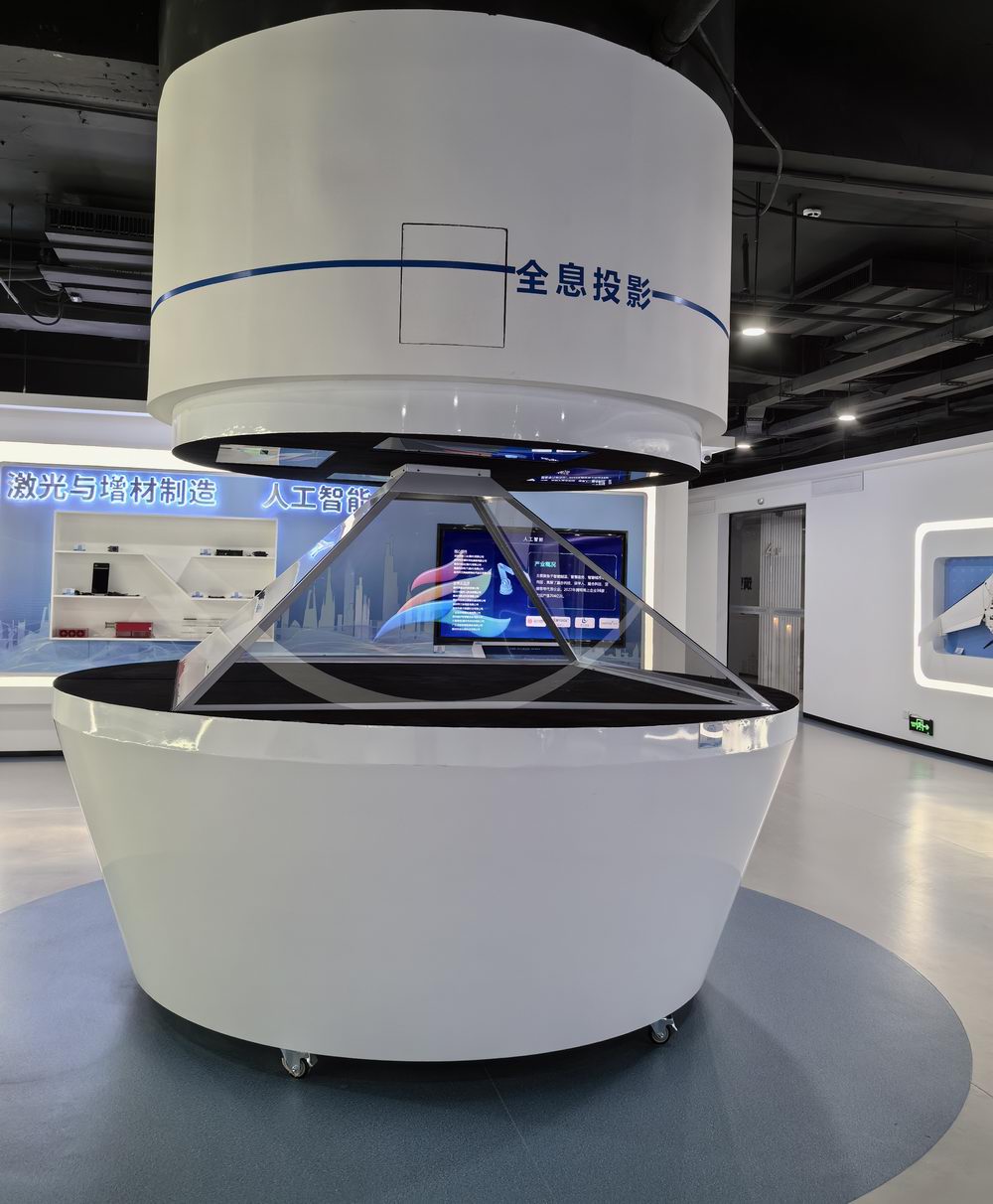
Biomedical innovations in 2024 promise to transform healthcare. These advancements will enhance patient outcomes and revolutionize healthcare delivery. Stakeholders must understand these changes to stay ahead. The Biomedical Innovation Center plays a crucial role in this transformation. It supports research and development, fostering collaboration among healthcare professionals. This center, located in Huizhou Zhongkai High-tech Zone, provides a platform for enterprises to thrive. By leveraging cutting-edge technologies, it assists in the development of innovative solutions, ensuring that healthcare remains at the forefront of progress.
Artificial Intelligence in Healthcare
AI-Powered Diagnostics
Artificial Intelligence (AI) is revolutionizing the field of medical diagnostics. It enhances the accuracy of disease detection, allowing healthcare professionals to identify conditions with greater precision. AI algorithms, such as the GPT-4V model, process a combination of text and images, assisting doctors in making accurate diagnoses. This technology not only improves diagnostic accuracy but also speeds up the process, enabling timely interventions.
Enhanced accuracy in disease detection
AI systems analyze vast amounts of medical data, identifying patterns that may be missed by human eyes. This capability leads to more accurate disease detection. For instance, AI can detect early signs of diseases like cancer or heart conditions, which might be overlooked in traditional diagnostic methods. By improving accuracy, AI helps in reducing misdiagnoses and ensuring patients receive appropriate treatment.
Real-time data analysis for personalized treatment
AI's ability to analyze data in real-time allows for personalized treatment plans. It evaluates patient data, including medical history and genetic information, to recommend tailored therapies. This approach ensures that treatments are more effective and suited to individual needs. Real-time analysis also facilitates continuous monitoring, enabling healthcare providers to adjust treatments as needed.
AI in Drug Discovery
AI is transforming drug discovery by accelerating the development of new medications. Traditional drug discovery processes are time-consuming and costly. However, AI streamlines these processes, significantly reducing the time and expense involved. According to a study published in Proclinical, AI creates efficient ways to discover and repurpose medicines, cutting down the time it takes to bring a new drug to market.
Accelerating the development of new medications
AI-guided molecule modeling and multi-factor AI-simulated environments enhance pharmaceutical research. These technologies allow researchers to predict how molecules will behave, speeding up the identification of promising drug candidates. As a result, new medications reach patients faster, addressing unmet medical needs more swiftly.
Reducing costs and time in clinical trials
AI reduces the costs and time associated with clinical trials. By simulating various trial scenarios, AI identifies potential outcomes and optimizes trial designs. This efficiency minimizes the need for extensive human trials, saving resources and accelerating the approval process. The Rock Health journal highlights that AI-enabled solutions have attracted significant venture funding, underscoring their potential to revolutionize drug development.
3D Printing in Medicine
Custom Prosthetics and Implants
3D printing technology is revolutionizing the creation of prosthetics and implants. This innovation allows for the production of custom solutions tailored to individual patients. Each prosthetic or implant can be designed to match a patient's unique anatomy, ensuring a perfect fit.
Tailored solutions for individual patients
3D printers create prosthetics that are entirely bespoke. Digital functionalities enable these devices to match an individual's measurements down to the millimeter. This precision ensures that each prosthetic fits perfectly, providing unparalleled comfort and mobility. The ability to customize these devices means that patients receive solutions that cater specifically to their needs, enhancing their quality of life.
Improved patient comfort and functionality
The use of 3D printing in creating prosthetics and implants significantly improves patient comfort and functionality. These devices are not only more comfortable but also more functional, allowing patients to move more naturally. The technology's ability to produce lightweight yet durable materials contributes to this enhanced functionality. As a result, patients experience greater ease in their daily activities, leading to improved overall well-being.
Bioprinting Tissues and Organs
Bioprinting represents a groundbreaking advancement in regenerative medicine. This technology holds the potential to transform organ transplantation and tissue engineering. By using bio-compatible materials, bioprinting can create tissues and organs that closely mimic natural structures.
Potential for organ transplantation
Bioprinting offers a promising solution to the shortage of donor organs. By creating organs in a lab setting, this technology could provide patients with life-saving transplants without the long wait times associated with traditional organ donation. The ability to bioprint organs tailored to a patient's specific needs reduces the risk of rejection and improves transplant success rates.
Advancements in regenerative medicine
The field of regenerative medicine benefits greatly from bioprinting technology. By enabling the creation of complex tissue structures, bioprinting advances the development of treatments for various medical conditions. This technology supports the growth of new tissues, aiding in the repair and regeneration of damaged organs. As bioprinting continues to evolve, it promises to open new avenues for treating diseases and injuries, offering hope to patients worldwide.
CRISPR Gene Editing
Genetic Disease Treatment
CRISPR gene editing stands at the forefront of genetic disease treatment. Scientists use this technology to target and correct genetic mutations, offering hope for conditions previously deemed untreatable. CRISPR Therapeutics has made significant strides in this area. They have developed a diverse portfolio of product candidates across various disease areas. Their strategic partnerships with leading companies like Bayer and Vertex Pharmaceuticals further enhance their capabilities.
Targeting and correcting genetic mutations
Researchers employ CRISPR-Cas9 to precisely edit genes. This method allows them to correct mutations responsible for genetic disorders. By altering the DNA sequence, they can potentially cure diseases at their root cause. The CRISPR Medicine Conference 2024 highlighted these advancements, showcasing the potential of therapeutic gene editing. Scientists shared their findings and ideas, fostering collaboration in the field.
Ethical considerations and regulatory challenges
Despite its promise, CRISPR gene editing faces ethical and regulatory challenges. The ability to alter human DNA raises questions about the long-term effects and potential misuse. Regulatory bodies must establish guidelines to ensure safe and ethical use. Researchers express optimism about CRISPR's impact on human health, but they acknowledge the need for careful oversight. Delivery to target cells remains a challenge, as noted in the MIT Better World Spectrum.
Agricultural and Environmental Applications
CRISPR technology extends beyond medicine, offering solutions for agriculture and environmental sustainability. By editing plant genomes, scientists can enhance food security and address ecological challenges.
Enhancing food security
CRISPR enables the development of crops resistant to pests and diseases. This innovation increases yield and reduces reliance on chemical pesticides. Farmers benefit from more robust crops, ensuring a stable food supply. The technology also allows for the enhancement of nutritional content, providing healthier options for consumers.
Addressing environmental sustainability
Environmental sustainability receives a boost from CRISPR applications. Scientists can engineer plants to absorb more carbon dioxide, mitigating climate change effects. Additionally, CRISPR aids in developing biofuels, reducing dependence on fossil fuels. These advancements contribute to a more sustainable future, aligning with global efforts to combat environmental challenges.
The Zhongkai High-tech Zone National Foreign Trade Transformation and Upgrading Base (Electronic Information) Cloud Platform supports enterprises in leveraging CRISPR technology. By providing resources and fostering innovation, the platform assists companies in developing cutting-edge solutions. This support ensures that businesses in the zone remain competitive and contribute to global advancements in CRISPR applications.
Digital Health Avatars
Virtual Health Assistants
Virtual health assistants represent a significant advancement in personalized healthcare. These digital avatars offer tailored health monitoring and advice, adapting to the unique needs of each patient.
Personalized health monitoring and advice
Virtual health assistants utilize machine learning algorithms to analyze vast datasets. This capability allows them to identify patterns and insights that human analysts might overlook. By doing so, they provide personalized health monitoring and advice. Patients receive recommendations based on their specific health profiles, ensuring that the guidance is relevant and effective. This personalized approach enhances patient care and supports better health outcomes.
Integration with wearable technology
Integration with wearable technology further enhances the functionality of virtual health assistants. Devices like smartwatches and fitness trackers collect real-time health data. Virtual assistants use this information to offer timely advice and alerts. For example, they can notify patients about irregular heart rates or remind them to take medications. This seamless integration ensures continuous health monitoring, empowering patients to take proactive steps in managing their health.
Patient Engagement and Education
Digital health avatars also play a crucial role in patient engagement and education. They provide interactive platforms that enhance health literacy and empower patients in their healthcare journey.
Interactive platforms for health literacy
Interactive platforms created by digital avatars make health education more accessible. Patients can engage with these platforms to learn about various health topics. The use of multimedia elements, such as videos and quizzes, makes the learning process engaging and informative. By improving health literacy, these platforms enable patients to make informed decisions about their healthcare.
Empowering patients in their healthcare journey
Digital health avatars empower patients by providing them with the tools and knowledge needed to take charge of their health. They offer personalized insights and support, encouraging patients to actively participate in their healthcare journey. This empowerment leads to increased patient satisfaction and improved health outcomes.
The Zhongkai High-tech Zone National Foreign Trade Transformation and Upgrading Base (Electronic Information) Cloud Platform supports enterprises in developing these innovative digital health solutions. By providing resources and fostering collaboration, the platform ensures that businesses in the zone remain at the forefront of digital health advancements. This support enables companies to create cutting-edge technologies that enhance patient care and engagement.
Telemedicine and Remote Monitoring
Expansion of Telehealth Services
Telehealth services have expanded significantly, offering numerous benefits to both patients and healthcare providers. This growth has been fueled by advancements in communication technologies, such as the Internet and videoconferencing.
Increased access to healthcare in remote areas
Telehealth provides increased access to healthcare for individuals in remote areas. Many people living in rural or isolated regions face challenges in accessing medical services. Telehealth bridges this gap by allowing patients to consult with healthcare professionals without the need for long-distance travel. This convenience ensures that more people receive timely medical attention, improving overall health outcomes.
Overcoming barriers to traditional healthcare delivery
Telehealth overcomes several barriers associated with traditional healthcare delivery. Patients experience comfort and convenience by receiving care from their homes. Healthcare providers benefit from reduced overhead expenses and more flexible work schedules. This approach also supports seniors and individuals with disabilities who may find it difficult to visit a doctor in person. By removing these obstacles, telehealth enhances the efficiency and effectiveness of healthcare delivery.
Remote Patient Monitoring
Remote patient monitoring represents a crucial component of modern healthcare. It involves using technology to track patients' health data continuously, enabling early intervention and improved management of chronic conditions.
Continuous health tracking and early intervention
Continuous health tracking allows healthcare providers to monitor patients' conditions in real-time. Devices like wearable sensors collect vital health data, which is then analyzed to detect any abnormalities. This proactive approach enables early intervention, preventing complications and ensuring timely treatment. Virtual care providers use this technology to keep patients engaged between doctor visits, helping them manage their conditions more effectively.
Reducing hospital readmissions
Remote patient monitoring plays a vital role in reducing hospital readmissions. By closely monitoring patients' health, healthcare providers can identify potential issues before they escalate. This early detection allows for prompt intervention, reducing the likelihood of hospital readmissions. As a result, patients experience better health outcomes, and healthcare systems benefit from decreased strain on resources.
The Zhongkai High-tech Zone National Foreign Trade Transformation and Upgrading Base (Electronic Information) Cloud Platform supports enterprises in developing telemedicine and remote monitoring solutions. By providing resources and fostering innovation, the platform ensures that businesses in the zone remain competitive and contribute to global advancements in telehealth. This support enables companies to create cutting-edge technologies that enhance patient care and engagement.
Nanotechnology in Medicine
Targeted Drug Delivery
Nanotechnology is revolutionizing drug delivery by making treatments more precise and effective. Researchers design nanoparticles to deliver drugs directly to diseased cells, minimizing side effects and enhancing efficacy.
Minimizing side effects and improving efficacy
Nanoparticles carry drugs to specific cells, reducing the impact on healthy tissues. This targeted approach minimizes side effects, making treatments safer for patients. For example, cancer therapies often harm healthy cells, causing unpleasant side effects. Nanotechnology reduces these effects by ensuring that only cancerous cells receive the medication. This precision improves the overall efficacy of treatments, leading to better patient outcomes.
Innovations in cancer treatment
Nanotechnology offers promising advancements in cancer treatment. Scientists develop nanoparticles that can identify and attack cancer cells, leaving healthy cells unharmed. This innovation enhances the effectiveness of chemotherapy and radiation therapy. By using nanotechnology, doctors can deliver higher doses of drugs directly to tumors, increasing the chances of successful treatment. The Nano Letters journal highlights efforts to create tools for producing nanomedicines at the point of care, eliminating the need for centralized facilities and cold storage. This development makes cancer treatments more accessible and cost-effective.
Nanorobots in Surgery
Nanorobots represent a groundbreaking advancement in surgical procedures. These tiny machines perform tasks with incredible precision, transforming the way surgeries are conducted.
Precision in minimally invasive procedures
Nanorobots enable surgeons to perform minimally invasive procedures with unmatched precision. They navigate through the body, reaching areas that traditional surgical tools cannot access. This capability allows for more accurate surgeries, reducing the risk of complications. Patients benefit from shorter recovery times and less postoperative pain. The precision of nanorobots ensures that surgeries are safer and more effective, improving patient outcomes.
Future potential in complex surgeries
The future of complex surgeries looks promising with the use of nanorobots. These tiny machines have the potential to perform intricate tasks, such as repairing damaged tissues or removing tumors. As technology advances, nanorobots may become a standard tool in operating rooms worldwide. Their ability to perform complex procedures with minimal invasiveness could revolutionize the field of surgery. The Zhongkai High-tech Zone National Foreign Trade Transformation and Upgrading Base (Electronic Information) Cloud Platform supports enterprises in developing these innovative solutions. By providing resources and fostering collaboration, the platform ensures that businesses in the zone remain at the forefront of nanotechnology advancements. This support enables companies to create cutting-edge technologies that enhance patient care and surgical outcomes.
Biomedical Innovation Center
Role in Advancing Healthcare
The Biomedical Innovation Center plays a pivotal role in advancing healthcare by supporting research and development. It provides a nurturing environment where scientists and healthcare professionals can explore new ideas and technologies. This center fosters innovation by offering state-of-the-art facilities and resources, enabling researchers to push the boundaries of medical science.
Supporting research and development: The center actively encourages the development of cutting-edge medical technologies. By providing access to advanced equipment and funding opportunities, it empowers researchers to conduct groundbreaking studies. This support accelerates the discovery of new treatments and therapies, ultimately benefiting patients worldwide.
Facilitating collaboration among stakeholders: Collaboration is key to innovation, and the center excels in bringing together diverse stakeholders. It serves as a hub where scientists, entrepreneurs, and healthcare providers can collaborate on projects. This collaborative approach fosters the exchange of ideas and expertise, leading to more effective solutions for complex healthcare challenges.
Impact on Local and Global Health
The impact of the Biomedical Innovation Center extends beyond research, influencing both local and global health landscapes. It enhances healthcare accessibility and promotes sustainable health solutions.
Enhancing healthcare accessibility: By developing innovative technologies, the center improves access to healthcare services. For instance, telemedicine platforms and wearable devices make it easier for patients in remote areas to receive medical care. These advancements ensure that more people can benefit from timely and effective treatments.
Promoting sustainable health solutions: The center is committed to promoting sustainable health solutions. It supports projects that focus on reducing environmental impact and improving resource efficiency. By encouraging the development of eco-friendly medical technologies, the center contributes to a healthier planet and a more sustainable future.
The Zhongkai High-tech Zone National Foreign Trade Transformation and Upgrading Base (Electronic Information) Cloud Platform plays a crucial role in supporting enterprises within the zone. It provides resources and fosters innovation, ensuring that businesses remain competitive in the global market. This platform assists companies in developing cutting-edge solutions, contributing to the overall success of the Biomedical Innovation Center.
Biomedical innovations in 2024 showcase transformative potential in healthcare. These advancements, from AI diagnostics to CRISPR gene editing, promise to enhance patient care and treatment effectiveness. The integration of these technologies into mainstream healthcare presents challenges, such as infrastructure and knowledge gaps. However, ongoing research and collaboration can overcome these hurdles. The Zhongkai High-tech Zone National Foreign Trade Transformation and Upgrading Base (Electronic Information) Cloud Platform plays a pivotal role. It supports enterprises in developing cutting-edge solutions, ensuring they remain competitive and contribute to global healthcare advancements.
See Also
Innovations Transforming Huizhou Zhongkai High-tech Zone Today
Revolutionizing Energy Storage: Zhongkai's Battery Innovations
Huizhou Zhongkai: Fostering Collaboration in Tech Innovation
Exploring Groundbreaking Innovations Within Zhongkai High-tech Zone

Zhongkai High tech Zone National foreign trade transformation and Upgradi Base(Electronic Information)Cloud Platform.
Address: Zhongkai High-tech Zone,Huizhou City ,Guangdong,China
E-mail: huizhoueii@163.com 13510001271@163.com
Tel: +86-0752-3279220 Mobile: +86-13510001271
