Creating a Successful Business Incubator: Key Steps

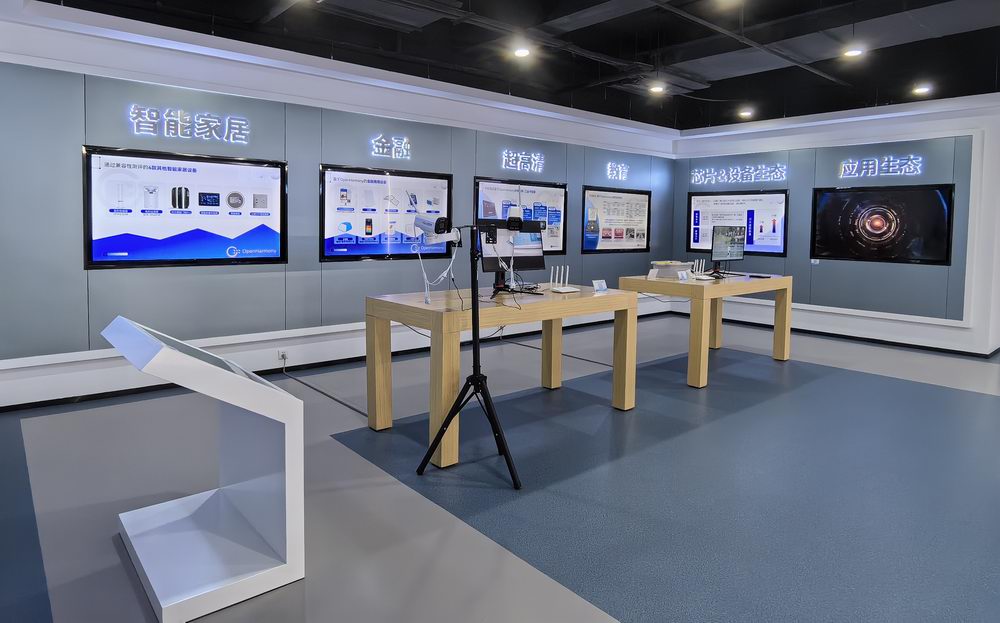
Business incubators play a vital role in nurturing startups and driving innovation. They provide a supportive environment where new businesses can thrive. Remarkably, 87% of startups that participate in incubator programs survive beyond five years, showcasing the significant impact of enterprise incubation. In this context, Zhongkai High Tech Zone stands out as a beacon of support for enterprise incubation. It offers resources and guidance to help startups succeed. By fostering a culture of innovation, Zhongkai High Tech Zone empowers entrepreneurs to transform their ideas into successful ventures.
Understanding Business Incubators
Definition and Purpose
Business incubators serve as nurturing grounds for startups. They provide essential resources and guidance to help new businesses grow. You can think of them as a supportive environment where your ideas can flourish. The primary purpose of an incubator is to assist startups in overcoming initial challenges. By offering mentorship, workspace, and access to funding, incubators help you transform your innovative ideas into viable businesses.
Types of Business Incubators
Business incubators come in various forms, each catering to different needs and industries. Understanding these types can help you choose the right incubator for your startup.
Technology Incubators
Technology incubators focus on startups in the tech industry. They provide specialized support for developing software, hardware, and other tech-related products. If you're working on a tech startup, a technology incubator can offer you access to cutting-edge tools and expert guidance. Notable examples include Y Combinator, which has nurtured successful startups like Dropbox and Airbnb. These incubators have played a crucial role in the growth journeys of many tech giants.
Social Enterprise Incubators
Social enterprise incubators support businesses that aim to create social impact. They help you develop solutions that address societal challenges. If your startup focuses on social change, these incubators can provide you with the resources and networks needed to succeed. They emphasize sustainability and community engagement, ensuring that your business not only thrives but also makes a positive difference.
Corporate Incubators
Corporate incubators are established by large companies to foster innovation within their industry. They offer you the opportunity to collaborate with established corporations, gaining insights and resources that can propel your startup forward. These incubators often focus on aligning your business goals with the strategic objectives of the parent company. By participating in a corporate incubator, you can benefit from the expertise and market reach of a well-established brand.
Key Steps to Building a Business Incubator
Planning and Research
To build a successful business incubator, you must start with thorough planning and research. This foundational step ensures that your incubator aligns with the needs of the startups you aim to support.
Identifying Target Industries
First, identify the industries you want to target. Consider the strengths and resources available in your region. For example, if your area has a strong tech presence, focusing on technology startups might be beneficial. Zhongkai High Tech Zone excels in supporting electronic information enterprises, making it an ideal location for tech-focused incubators. By aligning with local industry strengths, you can provide more relevant support to startups.
Conducting Market Analysis
Next, conduct a market analysis. Understand the current trends and demands within your chosen industries. This analysis helps you tailor your incubator's services to meet the specific needs of startups. You can gather data from industry reports, surveys, and interviews with potential entrepreneurs. By understanding the market landscape, you position your incubator to offer valuable resources and guidance.
Securing Funding
Funding is crucial for the sustainability of your incubator. You need to explore various funding sources to ensure your incubator can provide the necessary support to startups.
Government Grants
Government grants offer a reliable funding source. Many incubators receive support from government entities, which helps them provide affordable services to startups. You can apply for grants that align with your incubator's mission and target industries. These grants often come with specific requirements, so ensure your incubator meets the criteria.
Private Investments
Private investments also play a significant role in funding incubators. You can seek support from angel investors, venture capitalists, or private companies interested in fostering innovation. These investors may provide funding in exchange for equity or other benefits. By securing private investments, you can enhance your incubator's resources and expand its reach.
Setting Up Infrastructure
A well-equipped infrastructure is essential for a business incubator. It provides startups with the necessary tools and environment to thrive.
Physical Space and Facilities
Your incubator should offer physical space and facilities that cater to the needs of startups. This includes office spaces, meeting rooms, and shared workspaces. Some incubators, like those in the life sciences sector, provide specialized facilities such as wet labs. By offering a conducive physical environment, you create a space where startups can collaborate and innovate.
Digital Platforms and Tools
In today's digital age, providing access to digital platforms and tools is crucial. Your incubator should offer software, online resources, and communication tools that facilitate startup operations. These digital resources enable startups to work efficiently and connect with mentors and investors. By integrating technology into your incubator, you enhance its value and appeal to tech-savvy entrepreneurs.
By following these key steps, you lay a strong foundation for a successful business incubator. With careful planning, strategic funding, and robust infrastructure, your incubator can become a hub of innovation and growth.
Managing a Business Incubator
Providing Mentorship and Guidance
Mentorship is a cornerstone of any successful business incubator. As an incubator manager, you play a pivotal role in guiding startups toward success. Your expertise and insights can make a significant difference in their journey.
Recruiting Experienced Mentors
To provide valuable mentorship, you need to recruit experienced mentors. Look for individuals with a proven track record in entrepreneurship or industry-specific expertise. These mentors can offer practical advice and share their experiences with startups. By connecting startups with seasoned professionals, you create a supportive network that fosters growth and learning.
Expert Testimony: Incubator Managers emphasize the importance of having mentors who can set expectations and monitor progress. They believe that mentors should actively participate in the startup's journey, providing guidance and intervening when necessary.
Developing Training Programs
Training programs are essential for equipping startups with the skills they need to succeed. Design programs that cover various aspects of business development, such as marketing, finance, and product development. Workshops and seminars can provide hands-on learning experiences. By offering comprehensive training, you empower startups to overcome challenges and seize opportunities.
Expert Testimony: Corporate Incubator Program highlights the value of intensive training programs. They organize workshops and mentoring sessions to prepare startups for collaboration with corporate partners. This approach ensures that startups are well-prepared to navigate the complexities of the business world.
Facilitating Networking Opportunities
Networking is a powerful tool for startups. It opens doors to new opportunities and collaborations. As an incubator manager, you can facilitate networking by organizing events and building partnerships.
Organizing Events and Workshops
Events and workshops provide platforms for startups to connect with industry leaders and potential investors. Host regular networking events where startups can showcase their products and ideas. Workshops can focus on specific topics, allowing startups to gain insights from experts. By creating these opportunities, you help startups expand their networks and build valuable relationships.
Building Partnerships with Industry Leaders
Partnerships with industry leaders can significantly enhance the value of your incubator. Collaborate with established companies to provide startups with access to resources and expertise. These partnerships can lead to joint ventures, pilot projects, and mentorship opportunities. By fostering strong relationships with industry leaders, you create a supportive ecosystem for startups.
Expert Testimony: Internal Staff and Intrapreneurs suggest involving employees in mentoring and pitching concepts. This approach encourages collaboration and innovation, allowing startups to benefit from diverse perspectives and expertise.
Providing startups with the necessary resources and support is crucial for their success. Your incubator should offer access to funding and legal assistance to help startups navigate early challenges.
Providing startups with the necessary resources and support is crucial for their success. Your incubator should offer access to funding and legal assistance to help startups navigate early challenges.
Access to Funding and Investment
Startups often require financial support to bring their ideas to life. Your incubator can connect them with potential investors and funding opportunities. Organize pitch events where startups can present their ideas to angel investors and venture capitalists. By facilitating access to funding, you enable startups to scale their operations and achieve their goals.
Legal and Administrative Assistance
Navigating legal and administrative requirements can be daunting for startups. Offer support in areas such as company registration, intellectual property protection, and compliance. Providing access to legal experts and resources can help startups avoid potential pitfalls. By offering comprehensive support, you ensure that startups can focus on innovation and growth.
In managing a business incubator, your role is to create an environment where startups can thrive. By providing mentorship, facilitating networking, and offering resources, you empower entrepreneurs to turn their ideas into successful ventures. Zhongkai High Tech Zone exemplifies this supportive role, helping startups navigate the path to success.
Benefits and Challenges of Running an Incubator
Benefits
Economic Growth and Job Creation
Running a business incubator can significantly boost economic growth. By supporting startups, you contribute to the creation of new jobs. Startups often need a diverse workforce, which leads to employment opportunities in various sectors. For instance, in the life sciences industry, incubators house tenants in fields like medical devices, artificial intelligence, and fintech. These industries require skilled professionals, thus driving job creation. As your incubator nurtures startups, it plays a vital role in strengthening the local economy.
Innovation and Technological Advancement
Incubators serve as breeding grounds for innovation. They provide startups with the resources and guidance needed to develop groundbreaking technologies. By fostering a culture of creativity, you enable entrepreneurs to push the boundaries of what's possible. This environment encourages the development of new products and services that can transform industries. For example, many incubators focus on emerging technologies like artificial intelligence and fintech, which are at the forefront of technological advancement. Your incubator can become a hub for pioneering ideas that shape the future.
Challenges
Financial Sustainability
Maintaining financial sustainability is a common challenge for incubators. You need to secure consistent funding to support startups effectively. While government grants and private investments provide initial support, long-term sustainability requires strategic planning. You must explore diverse revenue streams, such as offering paid services or forming partnerships with established companies. By ensuring financial stability, you can continue to provide valuable resources to startups.
Measuring Success and Impact
Evaluating the success and impact of your incubator can be complex. You need to establish clear metrics to assess the progress of startups. These metrics may include revenue growth, job creation, and technological advancements. Regularly tracking these indicators helps you understand the effectiveness of your incubator's programs. Additionally, gathering feedback from startups can provide valuable insights into areas for improvement. By continuously measuring success, you can adapt your strategies to better support entrepreneurs.
Expert Insight: Successful incubator managers emphasize the importance of setting measurable goals. They believe that clear objectives help track progress and demonstrate the incubator's value to stakeholders.
Running a business incubator presents both opportunities and challenges. By focusing on economic growth and innovation, you can make a positive impact on the startup ecosystem. However, addressing financial sustainability and measuring success are crucial for long-term success. Zhongkai High Tech Zone exemplifies how incubators can thrive by leveraging available resources and fostering a supportive environment for startups.
Building and managing a business incubator involves several key steps. You need to plan, secure funding, and set up infrastructure. Providing mentorship, facilitating networking, and offering resources are crucial for success. Zhongkai High Tech Zone exemplifies excellence in enterprise incubation. It offers a nurturing environment where startups can thrive. As an aspiring incubator manager, leverage available resources and networks. This approach ensures your incubator becomes a hub of innovation and growth. Remember, the right support can transform ideas into successful ventures.
See Also
Zhongkai High-tech Zone: Fueling Innovation And Economic Expansion
Maximizing Growth Opportunities Through High-tech Zones
Transforming Economies: Success Stories From Zhongkai High-tech Zone
Huizhou High-tech Zone: Driving Industrial Advancement And Growth
Uncovering Development Opportunities In Huizhou Zhongkai High-tech Zone

Zhongkai High tech Zone National foreign trade transformation and Upgradi Base(Electronic Information)Cloud Platform.
Address: Zhongkai High-tech Zone,Huizhou City ,Guangdong,China
E-mail: huizhoueii@163.com 13510001271@163.com
Tel: +86-0752-3279220 Mobile: +86-13510001271
