Digital Hub China: What You Need to Know

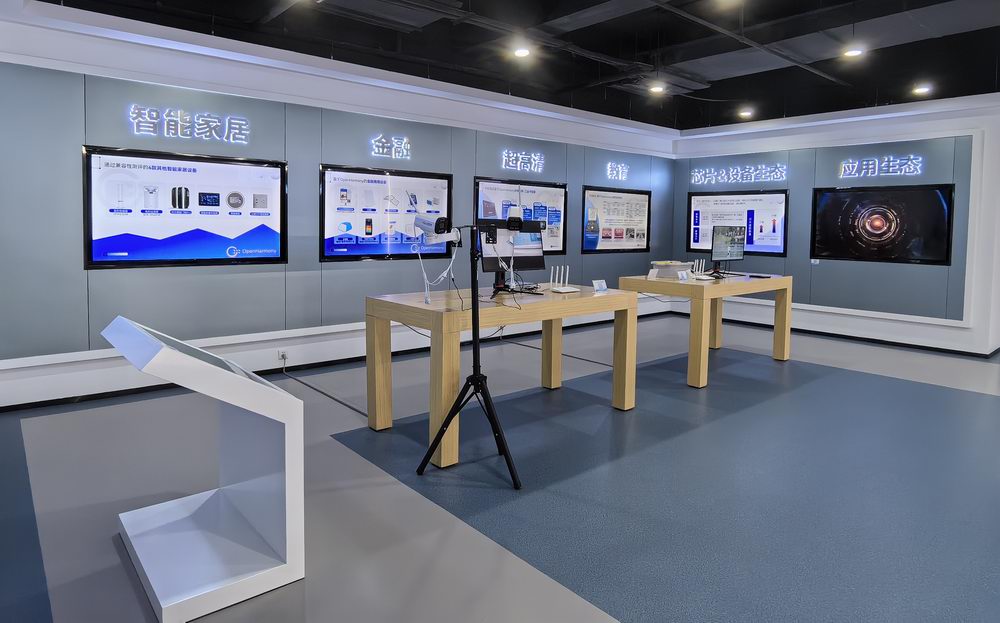
Digital Hub China plays a pivotal role in the global digital economy. These hubs drive innovation and economic growth, contributing significantly to China's GDP. In 2023, China's digital economy accounted for approximately 42.8% of the nation's GDP. The Huizhou Zhongkai High-tech Zone exemplifies this growth by providing robust support to enterprises. This zone fosters an environment where businesses can thrive, leveraging cutting-edge technology and infrastructure. Companies benefit from the zone's strategic initiatives, which enhance their competitive edge in the rapidly evolving digital landscape.
Understanding Digital Hubs
Definition and Characteristics
What makes a digital hub?
A digital hub serves as a central point where technology, innovation, and business converge. These hubs foster an environment that encourages creativity and collaboration among tech companies, startups, and research institutions. In China, digital hubs like those in the Greater Bay Area attract digital talents due to their vibrant ecosystems and strategic locations. They provide essential infrastructure, access to cutting-edge technology, and a supportive regulatory framework that nurtures growth and development.
Key features of digital hubs in China
The Huizhou Zhongkai High-tech Zone exemplifies these features by offering enterprises a conducive environment for innovation. Companies benefit from the zone's strategic initiatives, which enhance their competitive edge in the rapidly evolving digital landscape.
Importance of Digital Hubs
Role in economic development
Digital hubs play a crucial role in driving economic development. They contribute significantly to China's GDP by fostering innovation and supporting the growth of tech industries. For instance, Shenzhen, often referred to as China's Silicon Valley, generates over 40% of its GDP from high-tech industries. Digital Hub China, including regions like Beijing and Shanghai, influences global norms in digital services and data governance, further solidifying its economic impact.
Contribution to technological innovation
The Huizhou Zhongkai High-tech Zone plays a supportive role by providing enterprises with the necessary resources and infrastructure to innovate and thrive in this dynamic environment.
Major Digital Hubs in China

Beijing
Unique features and industries
Beijing stands as a central pillar in Digital Hub China, renowned for its robust technology sector and vibrant startup ecosystem. The city hosts a diverse range of industries, including e-commerce, artificial intelligence, and telecommunications. Beijing's strategic location and access to top-tier universities provide a steady stream of talent, fueling innovation and growth. The city's infrastructure supports a thriving digital economy, making it a magnet for tech companies and entrepreneurs.
Key companies and startups
Several key players in the tech industry call Beijing home. JD.com, a leading e-commerce giant, is headquartered here. Known for its rapid delivery services and innovative use of autonomous robots, JD.com exemplifies the city's commitment to technological advancement. Another notable company is Lenovo, a global supplier of computers and electronic devices. Founded in Beijing, Lenovo has established itself as a leader in the tech industry, contributing significantly to Digital Hub China's reputation.
Shanghai
Economic significance
Shanghai plays a crucial role in Digital Hub China, serving as a global financial center with a burgeoning digital economy. The city's economic significance lies in its ability to attract international investments and foster economic partnerships. Shanghai's strategic initiatives aim to enhance its digital infrastructure, positioning it as a leader in the global digital landscape. The city's focus on digital transformation drives economic growth and innovation, making it a key player in China's digital economy.
Technological advancements
Shanghai's commitment to technological advancements is evident in its support for emerging technologies. The city invests heavily in research and development, fostering an environment conducive to innovation. Shanghai's digital hubs focus on sectors such as fintech, artificial intelligence, and e-commerce, driving technological progress. The city's efforts to enhance its digital infrastructure and support tech startups contribute to its status as a major digital hub in China.
Shenzhen
Innovation and entrepreneurship
Shenzhen, often referred to as China's Silicon Valley, epitomizes innovation and entrepreneurship within Digital Hub China. The city's dynamic ecosystem encourages creativity and collaboration among tech companies and startups. Shenzhen's emphasis on research and development fosters a culture of innovation, attracting top talent from around the world. The city's entrepreneurial spirit and supportive infrastructure make it a breeding ground for technological breakthroughs.
Major tech players
Shenzhen hosts the headquarters of several tech giants, including Huawei, Tencent, and DJI. These companies lead their respective fields and drive the local innovation ecosystem. Huawei invests heavily in research and development, pushing the boundaries of telecommunications technology. Tencent, a leader in social media and gaming, collaborates with startups to foster innovation. DJI, renowned for its drones, exemplifies Shenzhen's commitment to technological excellence. Together, these companies solidify Shenzhen's position as a major player in Digital Hub China.
Industries and Technologies Supported

Artificial Intelligence (AI)
Leading AI companies
China's digital hubs, particularly in cities like Beijing and Shenzhen, host some of the world's leading AI companies. Baidu, a pioneer in AI technology, has made significant strides in autonomous driving and voice recognition. Tencent, headquartered in Shenzhen, integrates AI into its social media and gaming platforms, enhancing user experiences. These companies exemplify the innovative spirit that defines Digital Hub China, pushing the boundaries of what AI can achieve.
Research and development initiatives
Research and development (R&D) play a crucial role in advancing AI technologies within Digital Hub China. Companies invest heavily in R&D to stay at the forefront of innovation. For instance, Huawei's research centers focus on AI-driven telecommunications solutions, while Baidu's AI labs explore cutting-edge technologies like deep learning and natural language processing. These initiatives not only drive technological progress but also attract global talent to China's digital hubs.
Fintech
Growth of financial technology
The fintech sector in China has experienced remarkable growth, driven by the dynamic environment of Digital Hub China. Companies like Ant Group and WeBank lead the charge, offering innovative financial services that cater to the digital age. Ant Group's Alipay revolutionized mobile payments, while WeBank, China's first digital bank, provides seamless online banking experiences. These advancements highlight the transformative impact of fintech on China's economy.
Key fintech innovations
Innovations in fintech continue to reshape the financial landscape within Digital Hub China. Blockchain technology, for example, enhances transparency and security in financial transactions. Companies like Tencent and Alibaba leverage blockchain to streamline processes and reduce fraud. Additionally, AI-powered algorithms enable personalized financial services, offering tailored investment advice and credit assessments. These innovations position China as a global leader in fintech.
E-commerce
Major e-commerce platforms
China's e-commerce sector thrives within the vibrant ecosystem of Digital Hub China. Platforms like Alibaba's Taobao and JD.com dominate the market, offering diverse products and services to consumers. These platforms utilize AI to enhance user experiences, providing personalized recommendations and efficient logistics solutions. The success of these e-commerce giants underscores the importance of digital hubs in fostering innovation and growth.
Impact on consumer behavior
E-commerce platforms within Digital Hub China significantly influence consumer behavior. The convenience of online shopping, coupled with personalized experiences, has transformed how people purchase goods and services. Consumers increasingly rely on mobile apps for their shopping needs, driven by the seamless integration of AI and big data analytics. This shift in consumer behavior reflects the broader impact of digital hubs on China's economy and society.
Global Impact of China's Digital Hubs
Innovation Trends
Influence on global tech trends
China's digital hubs significantly influence global technology trends. With initiatives like Made in China 2025 and the Digital Silk Road, China aims to become a global technology superpower. These initiatives have created a demand for around 4 million graduates annually, fueling innovation and technological advancements. Major platforms such as Taobao, Tmall, JD.com, Pinduoduo, and Douyin are at the forefront of reshaping the e-commerce landscape. Their innovations not only adapt to rapid changes within China but also set trends with global implications. The growth trajectory of China's e-commerce sector, projected to reach US$2.14 trillion by 2028, underscores the country's influence on global tech trends.
Cross-border collaborations
China's digital hubs foster cross-border collaborations, enhancing their global impact. By influencing international norms and rules, China affects the market for digital services worldwide. The country's digital ecosystem players drive innovations at an unprecedented speed and scale, redefining global business management. Companies worldwide, even those without a presence in China, consider the China experience as a reference point. This approach highlights the relevance of China's digital innovation to the rest of the world, encouraging international partnerships and collaborations.
Investment and Economic Influence
Attracting global investments
China's digital hubs attract significant global investments by offering access to high-demand areas such as cloud computing, AI, and big data. The removal of ownership caps in these sectors provides foreign investors with meaningful opportunities in one of the world's most dynamic digital landscapes. This policy update responds to the growing global demand for data center services, fueled by advancements in generative AI and cloud computing. By opening its borders to full foreign ownership, China creates an environment conducive to innovation, attracting multinational tech giants eager to tap into its market potential.
Economic partnerships and trade
China's digital hubs play a crucial role in fostering economic partnerships and trade. The Chinese government supports technological initiatives and research, promoting technological progress and attracting international talent. Cities like Shenzhen, transformed from a small fishing village into a global tech powerhouse, exemplify this support. Favorable policies, including streamlined business regulations, tax incentives, and substantial funding for research and development, encourage foreign investment and business creation. These efforts position China as a leader in global economic partnerships, driving trade and technological innovation on an international scale.
They drive innovation and economic growth, contributing significantly to the nation's GDP.
See Also
Discovering Zhongkai High-tech Zone's Growth As An Innovation Hub
Investigating Huizhou's Thriving Electronic Information Industry Network
Meet The Leading Tech Companies In Huizhou Zhongkai
Revealing The Electronic Cloud Platform Of Huizhou Zhongkai
Delving Into Zhongkai High-tech Zone As An Innovation Center

Zhongkai High tech Zone National foreign trade transformation and Upgradi Base(Electronic Information)Cloud Platform.
Address: Zhongkai High-tech Zone,Huizhou City ,Guangdong,China
E-mail: huizhoueii@163.com 13510001271@163.com
Tel: +86-0752-3279220 Mobile: +86-13510001271
