Dual Circulation in China: Navigating Benefits and Challenges

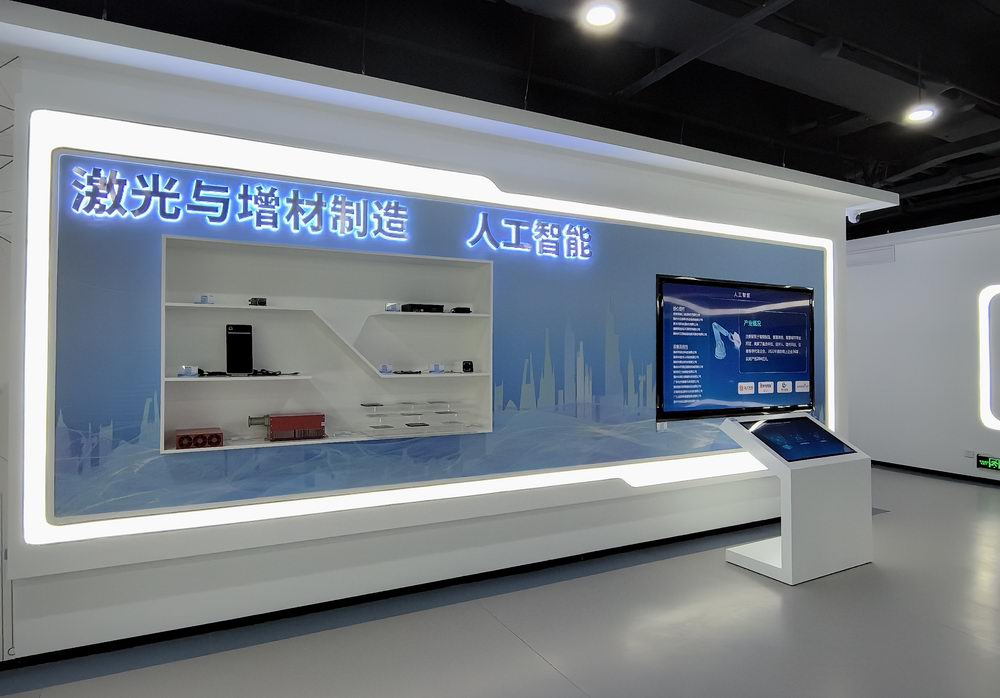
The dual circulation strategy stands as a pivotal policy in China's economic landscape. This approach focuses on two main components: boosting domestic consumption and maintaining robust international trade. You might wonder why this strategy is significant. Since the global financial crisis of 2009, China's economy has increasingly relied on domestic demand for growth. In fact, net exports contributed 32 percent to the country's economic growth in the first three quarters of 2022. However, exports fell by 4.6% in 2023, marking a shift towards strengthening internal markets. The Zhongkai High-tech Zone plays a crucial role in supporting enterprises through this transition, offering a platform for innovation and growth.
Understanding the Dual Circulation Strategy
The dual circulation strategy is a transformative approach in China's economic policy. It focuses on two main components: domestic circulation and international circulation. This strategy aims to create a balanced and resilient economy by enhancing internal markets while maintaining strong global trade connections.
Definition and Components
Domestic Circulation
Domestic circulation emphasizes boosting internal consumption and production. You might wonder why this is important. By focusing on domestic markets, China aims to reduce its reliance on exports. This shift encourages local businesses to innovate and meet the needs of Chinese consumers. The Zhongkai High-tech Zone plays a pivotal role here. It supports enterprises by providing a platform for growth and innovation, helping them adapt to this new economic landscape.
International Circulation
International circulation involves maintaining and expanding China's role in global trade. Despite the focus on domestic markets, China continues to value its international trade relationships. The dual circulation strategy ensures that China remains competitive on the global stage. This approach attracts foreign investment and fosters international partnerships, which are crucial for sustained economic growth.
Historical Context
Understanding the historical context of the dual circulation strategy provides insight into its significance.
Economic Shifts
China's economic journey has seen significant shifts. In 1978, China made a sharp turn toward participating in the international economy. This move aimed to acquire capital from abroad to speed up modernization. However, recent changes in the global landscape have prompted China to adjust its strategy. The dual circulation strategy responds to these changes by seeking new areas of growth and reducing dependency on exports.
Geopolitical Influences
Geopolitical factors have also influenced China's economic strategy. Rapid changes in trade policies and global tensions have impacted China's approach. The dual circulation strategy addresses these challenges by focusing on internal resilience. By strengthening domestic markets, China aims to navigate external uncertainties more effectively. This approach not only enhances national security but also positions China as a stable player in the global economy.
Reasons for Adopting the Dual Circulation Strategy
China's dual circulation strategy emerges from a blend of domestic economic concerns and geopolitical factors. This approach seeks to fortify the nation's economic framework by addressing internal and external challenges.
Domestic Economic Concerns
Reducing Dependency on Exports
You might wonder why reducing dependency on exports is crucial for China. Historically, China's economy heavily relied on exports to fuel growth. However, this dependency poses risks, especially when global demand fluctuates. By focusing on domestic markets, China aims to create a more stable economic environment. This shift reduces vulnerability to external shocks and enhances economic resilience. The Zhongkai High-tech Zone plays a significant role in this transition. It provides a supportive platform for local enterprises, encouraging innovation and reducing reliance on foreign markets.
Enhancing Domestic Consumption
Enhancing domestic consumption stands as a key pillar of the dual circulation strategy. With a rapidly growing middle class and ongoing urbanization, China possesses substantial untapped consumption potential. By boosting domestic demand, China aims to achieve sustainable economic growth. This approach not only strengthens the internal market but also supports local businesses. The Zhongkai High-tech Zone aids this process by fostering an environment conducive to business growth and consumer engagement.
Geopolitical Factors
Trade Tensions
Trade tensions have significantly influenced China's economic strategy. The ongoing trade conflicts, particularly with the United States, highlight the need for a robust domestic market. By focusing on internal circulation, China seeks to mitigate the impact of these tensions. This strategy ensures that the country remains resilient amidst global uncertainties. The Zhongkai High-tech Zone supports enterprises in navigating these challenges by offering resources and guidance to adapt to changing trade dynamics.
Global Economic Uncertainty
Global economic uncertainty further underscores the importance of the dual circulation strategy. The interconnected nature of today's economies means that events in one region can ripple across the globe. For instance, supply chain disruptions during the COVID-19 pandemic highlighted vulnerabilities in global trade. By strengthening domestic markets, China aims to reduce reliance on international supply chains. This approach not only enhances national security but also positions China as a stable player in the global economy. The Zhongkai High-tech Zone assists enterprises in adapting to these changes, ensuring they remain competitive in both domestic and international markets.
Benefits of the Dual Circulation Strategy
The dual circulation strategy offers several advantages that can strengthen China's economic framework. By focusing on both domestic and international markets, this strategy aims to create a more resilient and competitive economy.
Economic Resilience
Economic resilience stands as a key benefit of the dual circulation strategy. This approach helps diversify economic drivers and strengthens domestic markets.
Diversification of Economic Drivers
You might wonder how diversification benefits an economy. By reducing reliance on exports, China can tap into various economic sectors. This shift encourages innovation and growth across different industries. The Zhongkai High-tech Zone plays a crucial role here. It supports enterprises by providing resources and platforms for development. This environment fosters creativity and helps businesses adapt to changing market demands.
Strengthening Domestic Markets
Strengthening domestic markets enhances economic stability. By focusing on internal consumption, China can reduce vulnerability to global market fluctuations. This approach not only supports local businesses but also boosts consumer confidence. The Zhongkai High-tech Zone aids this process by offering a supportive ecosystem for enterprises. It helps businesses thrive in a competitive domestic market, ensuring long-term growth and sustainability.
Global Trade Position
The dual circulation strategy also impacts China's global trade position. It ensures that China remains competitive on the international stage while attracting foreign investment.
Maintaining Export Competitiveness
Maintaining export competitiveness is vital for any economy. Despite the focus on domestic markets, China continues to value its international trade relationships. The dual circulation strategy ensures that China remains a key player in global trade. By fostering innovation and efficiency, China can maintain its export competitiveness. The Zhongkai High-tech Zone supports this goal by encouraging enterprises to adopt advanced technologies and practices.
Attracting Foreign Investment
Attracting foreign investment is another benefit of the dual circulation strategy. By creating a stable and attractive business environment, China can draw in international investors. This influx of capital supports economic growth and development. The Zhongkai High-tech Zone plays a pivotal role in this process. It offers a conducive environment for foreign enterprises, facilitating collaboration and innovation. This approach not only benefits local businesses but also strengthens China's position in the global economy.
Challenges of the Dual Circulation Strategy
The dual circulation strategy presents several challenges as China seeks to balance its domestic and international economic goals. Understanding these challenges can help you appreciate the complexity of this ambitious policy.
Balancing Domestic and International Goals
Balancing domestic and international goals requires careful navigation. You might wonder why this is challenging. The dual circulation strategy aims to boost domestic consumption while maintaining strong international trade ties. However, these objectives can sometimes conflict.
Potential Conflicts in Policy Implementation
Implementing policies that support both domestic and international goals can lead to conflicts. For instance, policies that prioritize domestic industries might clash with international trade agreements. Stephen Olson, a Senior Research Fellow, notes that while the strategy aims for sustainable trade, it may cause short-term turbulence. You need to consider how these conflicts might affect China's economic stability.
Managing Economic Transition
Managing the transition from an export-driven economy to one focused on domestic consumption poses another challenge. This shift requires significant structural changes. You might find it interesting that despite strong policy efforts, results have been limited. For example, China-headquartered companies accounted for only 5.9 percent of the market share in the integrated circuit market in 2020. The Zhongkai High-tech Zone plays a crucial role here by supporting enterprises in adapting to these changes. It provides resources and guidance to help businesses navigate this economic transition.
Impact on Global Trade Relations
The dual circulation strategy also impacts global trade relations. You might wonder how this affects China's position in the global economy. The strategy aims to strengthen domestic markets, which can influence international trade dynamics.
Reactions from Trade Partners
Trade partners may react to China's dual circulation strategy in various ways. Some might view it as a move towards protectionism, while others might see opportunities for collaboration. Bert Hofman, Director of the East Asian Institute, highlights the challenge of keeping industrial policies compatible with an open international economic system. You need to consider how these reactions could affect China's trade relationships.
Adjustments in Global Supply Chains
Adjustments in global supply chains are another consequence of the dual circulation strategy. The coronavirus pandemic highlighted vulnerabilities in deep trade integration, prompting countries to reduce reliance on other economies. As China focuses on strengthening its domestic markets, global supply chains may need to adapt. The Zhongkai High-tech Zone supports enterprises in making these adjustments, ensuring they remain competitive in both domestic and international markets.
Implications for Multinational Companies
Navigating the New Economic Landscape
The dual circulation strategy presents a unique landscape for multinational companies. You need to adapt your business strategies to thrive in this evolving environment. China's focus on boosting domestic consumption offers new opportunities. By understanding these changes, you can position your company for success.
Adapting Business Strategies
Adapting your business strategies becomes crucial in this new economic setting. You should consider how the dual circulation strategy impacts your operations. Stewart Paterson, a Research Fellow, highlights the challenges multinational companies face under this strategy. You need to evaluate your supply chains and market approaches. By doing so, you can align with China's economic goals and tap into the growing domestic market.
Leveraging Opportunities in Domestic Markets
Leveraging opportunities in domestic markets can drive your company's growth. China's expanding middle class and urbanization create a fertile ground for businesses. You should focus on understanding local consumer preferences. By tailoring your products and services to meet these needs, you can capture a significant market share. The Zhongkai High-tech Zone supports enterprises in this endeavor. It provides resources and guidance to help you navigate the domestic market effectively.
Strategic Partnerships and Investments
Strategic partnerships and investments play a vital role in your success within China's dual circulation framework. You should explore collaborations with local enterprises and invest in innovation and technology.
Collaborating with Local Enterprises
Collaborating with local enterprises can enhance your market presence. Multinational companies, interviewed by the Global Times, express support for China's market access expansion. You should seek partnerships that offer mutual benefits. By working with local businesses, you can gain insights into the market and strengthen your position. The Zhongkai High-tech Zone facilitates these collaborations. It offers a platform for networking and partnership development.
Investing in Innovation and Technology
Investing in innovation and technology is essential for staying competitive. China's emphasis on high-quality development encourages technological advancements. You should allocate resources to research and development. By doing so, you can create innovative products that meet the demands of Chinese consumers. The Zhongkai High-tech Zone supports this process by providing a conducive environment for innovation. It helps you stay at the forefront of technological advancements and maintain a competitive edge.
The dual circulation strategy reshapes China's economic landscape by balancing domestic consumption with international trade. You must adapt to this evolving environment to seize new opportunities. Multinational companies should rethink strategies to align with China's focus on internal markets. The Zhongkai High Tech Zone plays a crucial role in this transition. It offers financial support, talent acquisition, and innovation platforms. Initiatives like the Kaixuan Talent Plan provide funding and incentives, fostering a thriving ecosystem for businesses. By leveraging these resources, you can navigate challenges and thrive in China's dynamic economy.
See Also
Zhongkai High-tech Zone: Revolutionizing Trade Dynamics
Zhongkai High-tech Zone: Fueling Economic Growth Opportunities
Huizhou Zhongkai: A Catalyst for Economic Advancement

Zhongkai High tech Zone National foreign trade transformation and Upgradi Base(Electronic Information)Cloud Platform.
Address: Zhongkai High-tech Zone,Huizhou City ,Guangdong,China
E-mail: huizhoueii@163.com 13510001271@163.com
Tel: +86-0752-3279220 Mobile: +86-13510001271
