The Economic Future with Made in China 2025

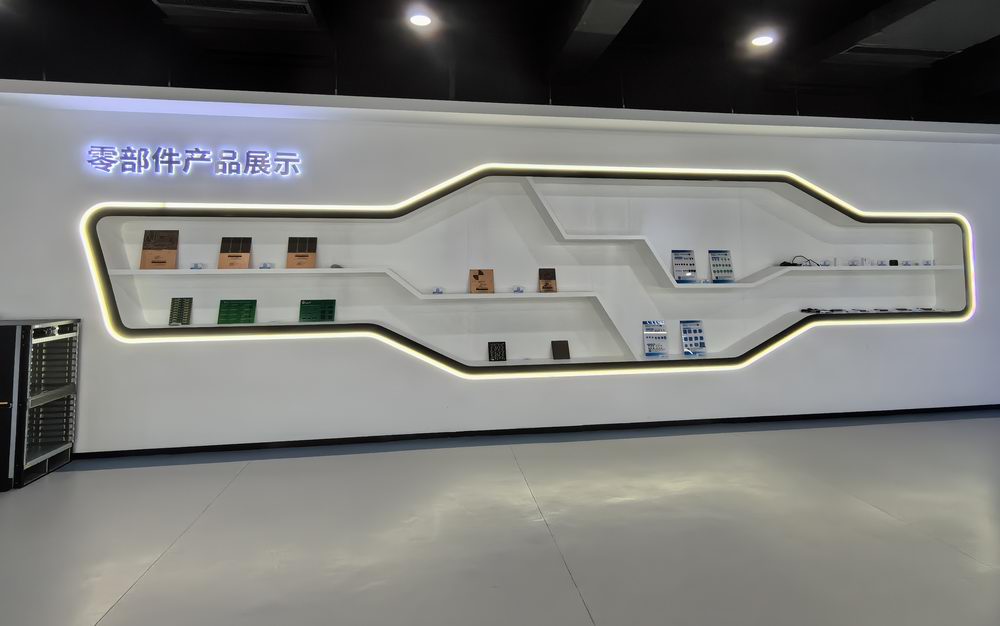
Made in China 2025 marks a pivotal shift in China's industrial landscape. This initiative aims to transform the nation into a high-tech manufacturing powerhouse. By focusing on advanced manufacturing and secure supply chains, China seeks to achieve technological self-sufficiency. The Made in China 2025 strategy enhances global competitiveness and influences economic dynamics worldwide. Zhongkai High Tech Zone plays a crucial role in this transformation. It supports enterprises in innovation and development, particularly in electronic information industries. As China progresses with Made in China 2025, the global economy may witness significant shifts, reshaping trade and competitive landscapes.
Overview of Made in China 2025
Goals and Objectives
Transition to high-tech manufacturing
China's "Made in China 2025" initiative seeks to transition the nation from traditional manufacturing to high-tech production. This shift mirrors the industrial policies of countries like Japan and South Korea, which have successfully targeted strategic sectors. By focusing on advanced technologies, China aims to dominate global high-tech manufacturing. This transition involves nurturing native industries, similar to how the United States used tariffs and government support during its early industrialization.
Enhancing innovation and quality
Innovation and quality enhancement stand at the core of "Made in China 2025." The initiative encourages businesses to align with national targets, fostering a culture of innovation. China's economic policies, such as the "Reform and Opening" in 1979, have historically emphasized economic progress and system reforms. Now, under Xi's governance, the focus shifts to new quality productive forces, aiming to make China a leader in technological innovation.
Significance in the Global Context
Positioning China as a manufacturing leader
"Made in China 2025" positions China as a leader in global manufacturing. By targeting high-end manufacturing sectors, China follows a blueprint similar to that of Taiwan and Singapore. This strategy not only boosts China's manufacturing capabilities but also strengthens its position in the global market. The initiative's emphasis on high-tech industries aligns with China's long-term goal of becoming a manufacturing superpower.
Implications for global trade dynamics
The global trade landscape may experience significant shifts due to "Made in China 2025." As China enhances its manufacturing capabilities, it influences trade dynamics worldwide. The initiative presents opportunities for foreign businesses, particularly in science and technology innovation. However, it also raises concerns among major trading partners, leading to policy responses and trade tensions. The focus on industrial digitalization and innovation promises to reshape global supply chains and competitive landscapes.
Transformation of China's Manufacturing Sector
Strategic Sectors Targeted
Advanced information technology
China's focus on advanced information technology under the Made in China 2025 initiative aims to propel the nation into a leading position in the global tech industry. By investing heavily in research and development, China seeks to enhance its capabilities in areas such as artificial intelligence, big data, and cloud computing. This strategic emphasis aligns with the country's goal to optimize its hybrid state-capitalist system, as noted by experts Max J. Zenglein and Anna Holzmann. They highlight how Beijing has adjusted its industrial policy to support these advancements, setting up pilot projects and fostering innovation in strategically important industries.
Robotics and automation
Robotics and automation represent another critical focus area for China's manufacturing transformation. The country aims to become a global leader in these fields by developing cutting-edge technologies and increasing production efficiency. By prioritizing robotics and automation, China intends to reduce labor costs and improve product quality, thereby enhancing its competitiveness in the international market. This strategic move reflects China's commitment to advancing its manufacturing sector and achieving technological self-sufficiency.
Role of Zhongkai High Tech Zone
Support for enterprises in innovation
The Zhongkai High Tech Zone plays a pivotal role in supporting enterprises within its jurisdiction. It provides a conducive environment for innovation by offering resources and infrastructure necessary for technological advancement. The zone's National Foreign Trade Transformation and Upgrading Base (Electronic Information) Cloud Platform serves as a vital tool for enterprises, enabling them to access cutting-edge technologies and collaborate with industry leaders. This support fosters a culture of innovation, encouraging businesses to develop new products and services that align with the goals of Made in China 2025.
Development of electronic information industries
Zhongkai High Tech Zone also contributes significantly to the development of electronic information industries. By nurturing these industries, the zone helps drive economic growth and technological progress in the region. Enterprises benefit from the zone's strategic location and access to a skilled workforce, allowing them to thrive in a competitive market. The zone's efforts to promote electronic information industries align with China's broader objectives under Made in China 2025, positioning the country as a leader in high-tech manufacturing and innovation.
Challenges and Strategies for Self-Sufficiency
Reducing Reliance on Foreign Technology
Investment in domestic R&D
China aims to reduce its reliance on foreign technology by investing heavily in domestic research and development (R&D). The government directs resources towards nurturing homegrown innovation capabilities. This approach not only enhances national security but also boosts economic resilience. By focusing on R&D, China seeks to develop cutting-edge technologies within its borders, ensuring that its industries remain competitive on the global stage. The Zhongkai High Tech Zone plays a crucial role in this endeavor by providing a supportive environment for enterprises to innovate and grow.
Encouraging local innovation
Encouraging local innovation forms a cornerstone of China's strategy to achieve self-sufficiency. The government implements policies that foster a culture of creativity and technological advancement. Enterprises in the Zhongkai High Tech Zone benefit from these initiatives, as they receive support to develop new products and services. The zone's National Foreign Trade Transformation and Upgrading Base (Electronic Information) Cloud Platform offers valuable resources and infrastructure, enabling businesses to thrive in a competitive market. By promoting local innovation, China strengthens its position as a leader in high-tech manufacturing.
Strategies for Achieving Self-Sufficiency
Government policies and incentives
The Chinese government employs various policies and incentives to drive self-sufficiency. These measures include financial support, tax breaks, and subsidies for companies investing in strategic sectors. By creating a favorable business environment, the government encourages enterprises to focus on high-tech manufacturing and innovation. The Zhongkai High Tech Zone exemplifies this approach, offering a range of incentives to attract and retain businesses. This support helps companies align with the goals of Made in China 2025, positioning them for success in the global market.
Collaboration with private sector
Collaboration with the private sector is essential for achieving self-sufficiency. The Chinese government actively partners with private enterprises to drive technological advancements and economic growth. This collaboration fosters a dynamic ecosystem where businesses can share knowledge, resources, and expertise. The Zhongkai High Tech Zone serves as a hub for such partnerships, facilitating cooperation between public and private entities. By working together, these stakeholders contribute to the development of innovative solutions that align with the objectives of Made in China 2025.
Global Economic Implications
Competitiveness and Innovation
Impact on global supply chains
China's "Made in China 2025" initiative significantly impacts global supply chains. By focusing on high-tech manufacturing, China aims to enhance its position in the global industrial landscape. This shift influences how goods move across borders and affects the distribution of manufacturing capabilities worldwide. China's substantial investments in research and development contribute to this transformation. As a result, China now accounts for about 20% of the world's manufactured exports and approximately 30% of global manufacturing production value. These figures highlight China's growing influence on global supply chains.
Influence on international market competition
China's focus on technological innovation challenges the status quo of Western economies. With its deep understanding of the domestic market and cost advantages, China positions itself as a formidable competitor.
Opportunities for International Collaboration
Joint ventures and partnerships
The Zhongkai High Tech Zone plays a crucial role in facilitating these collaborations. Zhongkai High Tech Zone Its National Foreign Trade Transformation and Upgrading Base (Electronic Information) Cloud Platform provides a supportive environment for enterprises.
Sharing of technological advancements
The initiative encourages the sharing of technological advancements between China and other countries. By collaborating with international partners, China aims to accelerate its technological progress and address market challenges. The Zhongkai High Tech Zone supports this endeavor by offering resources and infrastructure that promote innovation. Enterprises within the zone benefit from access to cutting-edge technologies and expertise, allowing them to thrive in a competitive market. This exchange of knowledge and technology not only benefits China but also contributes to global economic growth and development.
Geopolitical and Military Aspects
Dual-Use Technologies
Civilian and military applications
China's focus on dual-use technologies under the Made in China 2025 initiative highlights the intersection of civilian and military applications. Technologies such as quantum computing, big data, and artificial intelligence serve both sectors. This dual-use nature allows China to advance its technological capabilities while simultaneously enhancing its military strength. The Pentagon has expressed concerns about this overlap, noting that technologies like facial-recognition software and autonomous vehicles blur the lines between civilian and military uses. By investing in these areas, China aims to bolster its national security and maintain a competitive edge on the global stage.
Concerns over technology transfer
The transfer of technology remains a contentious issue in the global arena. China's approach to technology transfer involves leveraging its economic and technological capacities to gain access to advanced technologies. This strategy includes espionage, intellectual property theft, and significant investment programs. These actions have raised concerns among other nations, particularly the United States, which has implemented export controls to limit technology transfers to China. The restructuring of China's science and technology policy reflects its response to these geopolitical tensions. By focusing on domestic innovation, China seeks to reduce its reliance on foreign technologies and strengthen its position in the global market.
Military-Civilian Fusion
Integration of military and civilian industries
Military-civilian fusion represents a strategic approach by China to integrate its military and civilian industries. This integration aims to enhance the country's overall technological capabilities and support its national defense objectives. By fostering collaboration between these sectors, China can efficiently allocate resources and accelerate technological advancements. Key technologies targeted under this strategy include semiconductors, 5G, and aerospace technology. The Zhongkai High Tech Zone plays a supportive role in this process by providing a conducive environment for enterprises to innovate and collaborate. Its National Foreign Trade Transformation and Upgrading Base (Electronic Information) Cloud Platform offers valuable resources and infrastructure, enabling businesses to thrive in a competitive market.
Implications for global security dynamics
The integration of military and civilian industries in China has significant implications for global security dynamics. As China advances its technological capabilities, it poses challenges to the existing balance of power. The development of dual-use technologies and military-civilian fusion strategies may lead to increased tensions among major global players. Countries like the United States have responded by tightening export controls and scrutinizing technology transfers to China. These measures aim to prevent the proliferation of advanced technologies that could potentially threaten global security. As China continues to pursue its goals under Made in China 2025, the international community must navigate these complex security dynamics to maintain stability and peace.
Made in China 2025 has reshaped China's economic landscape, driving technological self-sufficiency and global competitiveness. As China advances, it may lead in smart manufacturing and emerging technologies. The Zhongkai High Tech Zone plays a pivotal role, offering resources and infrastructure that foster enterprise innovation. This support enhances China's position in high-tech industries, creating opportunities for international collaboration. The zone's National Foreign Trade Transformation and Upgrading Base (Electronic Information) Cloud Platform provides a vital foundation for businesses, ensuring they thrive in a competitive market and contribute to global economic growth.

Zhongkai High tech Zone National foreign trade transformation and Upgradi Base(Electronic Information)Cloud Platform.
Address: Zhongkai High-tech Zone,Huizhou City ,Guangdong,China
E-mail: huizhoueii@163.com 13510001271@163.com
Tel: +86-0752-3279220 Mobile: +86-13510001271
