The Emotional Stories Behind Intense Competition in Sports


Sports have always been more than just games. They reveal the raw emotions of human struggle, resilience, and triumph. Athletes often push their limits, facing unimaginable challenges. Kurt Angle, for instance, won an Olympic gold medal in 1996 despite competing with a broken neck. Such moments showcase the extraordinary spirit of intense competition. Similarly, the Miracle on Ice in 1980, where the U.S. hockey team defeated the heavily favored Soviet Union, united audiences worldwide in an emotional celebration. These stories remind us that sports transcend physical feats, connecting people through shared emotions and unforgettable experiences.
Key Takeaways
Athletes often face significant personal challenges, and their stories of overcoming adversity inspire others to prioritize mental health and resilience.
Rivalries in sports not only elevate competition but also foster personal growth, teaching athletes to channel their emotions and strive for excellence.
Teamwork is essential in sports, as it builds trust and emotional strength, helping athletes navigate challenges together and learn valuable life skills.
The emotional highs and lows of competition create a universal connection between athletes and spectators, reminding us of our shared human experiences.
Lessons from sports, such as discipline and resilience, can be applied to everyday life, encouraging individuals to approach challenges with a growth mindset.
Open discussions about mental health in sports help normalize vulnerability, promoting a culture of acceptance and understanding.
The transformative power of sports reveals character and inspires self-improvement, encouraging everyone to embrace values like empathy and perseverance.
The Personal Struggles and Triumphs of Athletes
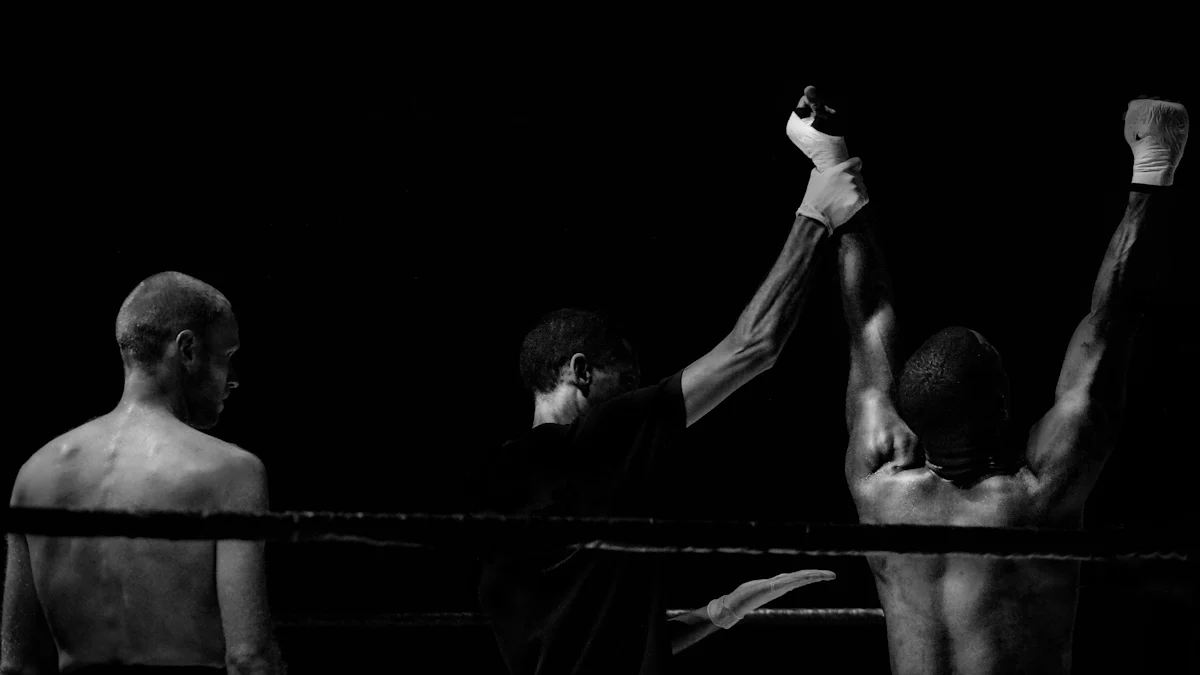
Overcoming Adversity in Intense Competition
Athletes often face immense challenges that test their physical and emotional limits. These moments of intense competition reveal their resilience and determination. Simone Biles, one of the most decorated gymnasts in history, withdrew from the 2021 gymnastics team final, citing her mental health. She openly shared that she wasn’t in the right "headspace" to compete. Her decision sparked a global conversation about the importance of prioritizing emotional well-being, even in high-stakes environments.
Similarly, Naomi Osaka, a tennis champion with multiple Grand Slam titles, faced overwhelming media scrutiny as her success grew. She chose to step away from the sport temporarily to focus on her mental health, emphasizing the need for balance in the face of relentless pressure. These stories highlight how athletes navigate adversity, not just on the field but also within themselves. Their courage to confront these struggles inspires others to view vulnerability as strength.
Athletes like Javi Garrido also demonstrate how overcoming personal challenges can lead to giving back. Inspired by her own experiences, she mentors young athletes, showing them how sports can be a tool for growth and healing. These narratives remind us that intense competition is not just about winning but also about the journey of self-discovery and perseverance.
The Emotional Toll of Pursuing Excellence
The pursuit of excellence in sports demands sacrifices that often go unnoticed. Athletes dedicate countless hours to training, pushing their bodies and minds to the brink. This relentless drive can take a toll on their emotional health. Many, like Kacie Breeding, have turned to therapy to cope with the pressures of elite competition. She shared how therapy became a vital resource during her college years, helping her navigate the mental strain of balancing academics and athletics.
The emotional highs and lows of intense competition can leave lasting impacts. For some, the pressure to perform at their best leads to burnout or anxiety. Yet, these challenges also foster resilience. Lisa Lissimore, an associate director of the Minnesota State High School League, believes that both winning and losing teach valuable lessons. Athletes learn to handle disappointment, celebrate victories, and grow from every experience.
The stories of athletes like Biles, Osaka, and Breeding underscore the importance of addressing mental health in sports. Their openness has paved the way for a broader understanding of the emotional challenges tied to intense competition. These lessons extend beyond the playing field, encouraging individuals to prioritize their well-being while striving for success.
The Role of Rivalries and Teamwork in Intense Competition
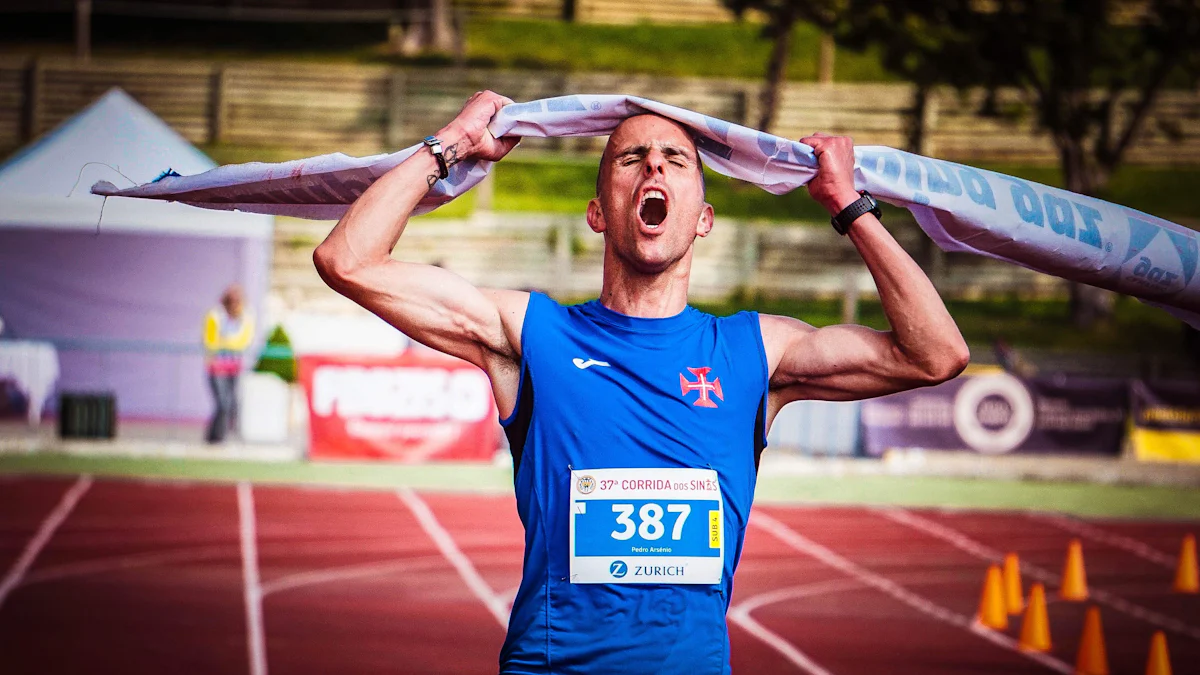
The Driving Force of Rivalries
Rivalries have always been a cornerstone of intense competition. They ignite passion, push boundaries, and elevate performances to extraordinary levels. In track-and-field events, rivalries resemble championship boxing matches. Athletes face off head-to-head, showcasing their skills with a blend of showmanship and mutual respect. Noah Lyles, a world-class sprinter, described these rivalries as thrilling battles without the violence, where competitors challenge each other to reach new heights.
Historic rivalries, such as Magic Johnson versus Larry Bird in basketball, have captivated audiences for decades. Their fierce competition on the court not only defined an era but also inspired countless fans and players. These rivalries often transcend the sport itself, becoming cultural phenomena that unite communities and spark conversations.
Rivalries also foster personal growth. Athletes learn to channel their emotions, refine their strategies, and embrace the pressure of performing under scrutiny. The intensity of these matchups drives them to surpass their limits, creating unforgettable moments that resonate with spectators. Rivalries, at their core, embody the spirit of intense competition, where respect and determination fuel the pursuit of greatness.
The Emotional Strength of Teamwork
While rivalries highlight individual brilliance, teamwork showcases the collective power of unity. In team sports, athletes rely on one another to achieve shared goals. This collaboration builds trust, strengthens bonds, and amplifies emotional resilience. Teams like the 1992 U.S. Olympic Basketball "Dream Team" demonstrated how teamwork could transform a group of talented individuals into an unstoppable force.
The emotional strength of teamwork becomes evident during challenging moments. Teams often face setbacks, injuries, or unexpected obstacles. In these situations, players support each other, offering encouragement and motivation. This camaraderie fosters a sense of belonging and purpose, which helps athletes navigate the highs and lows of intense competition.
Teamwork also teaches valuable life lessons. Athletes learn to communicate effectively, adapt to different roles, and prioritize the collective success over personal achievements. These skills extend beyond sports, shaping individuals into leaders and collaborators in various aspects of life. The emotional connections formed through teamwork leave a lasting impact, reminding us that success is often a shared journey.
Lessons from the Emotional Highs and Lows of Intense Competition
The Universality of Emotion in Sports
Sports serve as a universal language, transcending cultural and geographical boundaries. The emotions experienced during intense competition—joy, heartbreak, pride, and determination—resonate with audiences worldwide. These shared feelings create a profound connection between athletes and spectators. For instance, when an underdog triumphs against all odds, the victory inspires hope and perseverance in viewers. Similarly, moments of defeat remind everyone of the vulnerability inherent in striving for greatness.
Athletes often display emotional intelligence, which enhances their ability to navigate the highs and lows of competition. Emotional intelligence allows them to regulate their feelings, maintain focus, and support teammates effectively. Coaches who exhibit empathy and emotional awareness also play a pivotal role in fostering a positive environment. They guide athletes through challenges, helping them channel emotions constructively. This dynamic demonstrates how emotions in sports mirror those in everyday life, making the lessons learned on the field universally relatable.
The emotional spectrum in sports also normalizes discussions about mental health. Athletes who openly address their struggles encourage others to confront their own challenges. This openness fosters a culture of acceptance and understanding, emphasizing that emotions are not weaknesses but integral aspects of the human experience.
Applying Sports Lessons to Everyday Life
The lessons derived from intense competition extend far beyond the playing field. Athletes develop qualities such as discipline, resilience, and determination, which prove invaluable in various aspects of life. Overcoming setbacks in sports teaches individuals to approach challenges with a growth mindset. They learn to view failures as opportunities for improvement rather than insurmountable obstacles.
Sports also instill a sense of responsibility and commitment. Athletes dedicate themselves to rigorous training schedules, balancing personal goals with team objectives. This dedication translates into strong work ethics and time management skills, which benefit them in professional and personal endeavors. Additionally, the emphasis on sportsmanship fosters respect and integrity, shaping individuals into empathetic and collaborative members of society.
Mental skills practiced by athletes, such as managing stress and building confidence, hold relevance in daily life. These skills enable individuals to navigate difficult emotions and maintain composure under pressure. For example, techniques like visualization and mindfulness, often used by athletes, can help anyone achieve clarity and focus in challenging situations.
"Sports do not build character. They reveal it." – John Wooden
This quote encapsulates the transformative power of sports. The emotional highs and lows of competition reveal the strength of character within athletes, inspiring others to embrace similar values. By applying these lessons, individuals can cultivate resilience, empathy, and perseverance, enriching their lives and communities.
The emotional stories behind intense competition in sports resonate universally, showcasing resilience, teamwork, and perseverance. Athletes embody these traits, inspiring others to face challenges with determination. Their journeys highlight the transformative power of discipline and emotional intelligence, which extend far beyond the playing field.
"Athletes are examples for self-improvement, demonstrating that virtue and skill emerge through practice and dedication."
These narratives connect people, whether as participants or spectators, reminding everyone of the shared human experience. Sports teach lessons that transcend boundaries, uniting individuals through the pursuit of excellence and the celebration of collective triumphs.
See Also
Leading Figures Shaping The Global Intelligent Control Sector
Driving Growth: Zhongkai High-Tech Zone's Economic Evolution
Assessing iFlight's Influence Within The High-Tech Zone
Maximizing Opportunities In High-Tech Zones For Development
Transforming The Electronic Information Sector: Zhongkai's Triumph

Zhongkai High tech Zone National foreign trade transformation and Upgradi Base(Electronic Information)Cloud Platform.
Address: Zhongkai High-tech Zone,Huizhou City ,Guangdong,China
E-mail: huizhoueii@163.com 13510001271@163.com
Tel: +86-0752-3279220 Mobile: +86-13510001271

