Exploring the Historical Growth of Supply Chain Management

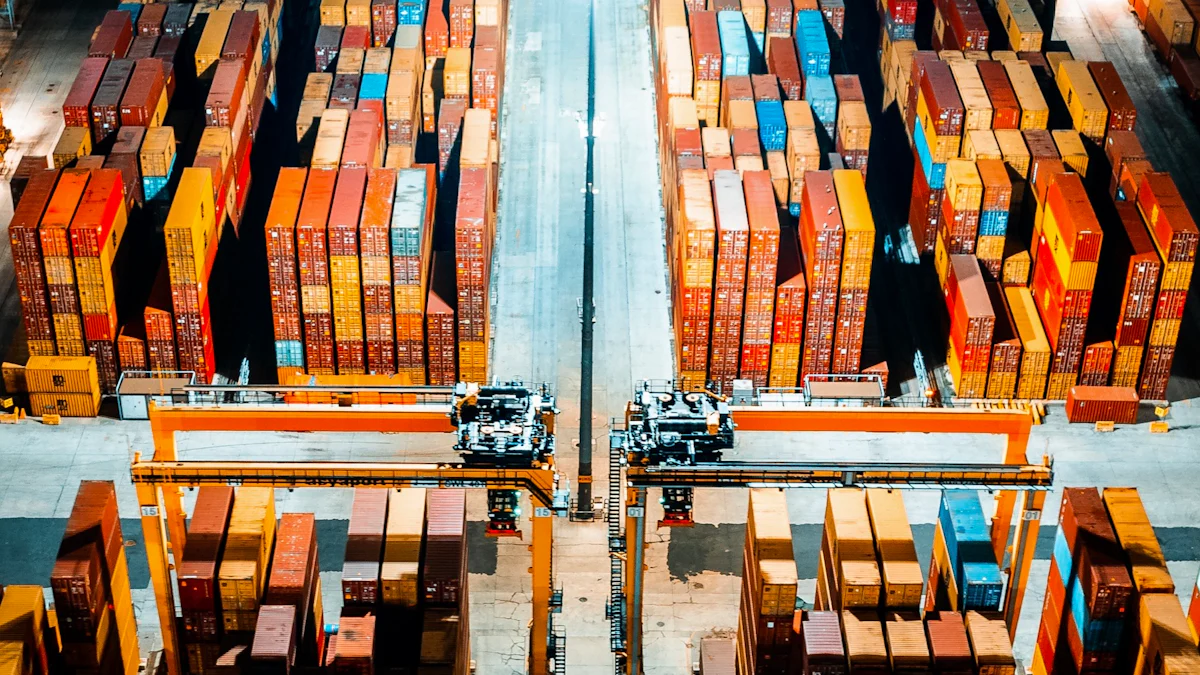
The evolution of the supply chain mirrors humanity's progress. Ancient trade routes, such as the Silk Road, connected empires and facilitated the exchange of goods, ideas, and cultures. These early networks laid the foundation for modern logistics. Over centuries, advancements in technology and commerce transformed supply chains into intricate global systems. The rise of e-commerce and digital tools has further revolutionized operations, enabling businesses to meet growing consumer demands. Understanding this historical growth provides valuable insights into how supply chains adapt to challenges and drive innovation.
Key Takeaways
The evolution of supply chain management is deeply rooted in historical trade networks like the Silk Road, which laid the groundwork for modern logistics.
Innovations during the Industrial Revolution, such as steam engines and railroads, drastically improved the speed and efficiency of goods transportation.
The introduction of standardized shipping containers revolutionized global trade, enabling faster and more reliable movement of goods across various transport modes.
Enterprise Resource Planning (ERP) systems have transformed supply chain management by providing real-time visibility and enhancing collaboration across departments.
Just-in-Time (JIT) manufacturing and real-time tracking technologies have optimized inventory management, reducing costs and improving customer satisfaction.
The integration of Artificial Intelligence (AI) and the Internet of Things (IoT) is driving modern supply chain optimization, enhancing efficiency and responsiveness.
Sustainability and ethical practices are becoming essential in supply chain management, aligning business operations with environmental responsibility and consumer expectations.
Ancient Trade Networks: The Origins of the Supply Chain
The Silk Road and Early Trade Systems
The Silk Road, a vast network of trade routes, connected civilizations across Asia, the Middle East, and Europe. Traders used this route to exchange goods such as silk, spices, and precious stones. These commodities not only fueled economic growth but also shaped the policies of empires like the Roman Empire and ancient China. The Silk Road became a cornerstone of early supply chain systems, facilitating the movement of raw materials and luxury items.
Beyond goods, the Silk Road enabled the exchange of ideas, technologies, and cultural practices. For example, religions like Buddhism spread from India to China along these routes. This integration of commerce and culture highlights the foundational role of the Silk Road in shaping modern supply chain principles. By connecting distant regions, it established logistical frameworks that influenced future trade networks.
Innovations in Ancient Supply Chain Practices
Ancient civilizations developed innovative methods to manage the transportation of goods. They built infrastructure such as roads, ports, and storage facilities to support trade. For instance, the Roman Empire constructed an extensive road network to streamline the movement of goods and military supplies. These roads enhanced efficiency and reduced transit times, laying the groundwork for modern logistics.
Maritime trade also played a crucial role in ancient supply chains. The Spice Routes, which connected Southeast Asia, India, and the Arabian Peninsula, facilitated the exchange of valuable spices and grains. Traders relied on advanced navigation techniques and seasonal wind patterns to optimize their journeys. These practices demonstrated an early understanding of supply chain optimization, emphasizing the importance of planning and resource management.
The innovations of ancient trade networks provided the foundation for today's global supply chain systems. By addressing challenges such as transportation and storage, these early practices paved the way for the complex logistics operations seen in modern industries.
The Industrial Revolution: Transforming the Supply Chain
Steam Engines and Railroads Revolutionizing Logistics
The Industrial Revolution marked a turning point in the history of logistics. The invention of the steam engine introduced a new era of transportation, enabling faster and more reliable movement of goods. Steam-powered locomotives became the backbone of the expanding railroad networks, connecting production hubs with urban centers, ports, and emerging markets. This innovation drastically reduced transit times and costs, making long-distance trade more feasible.
Railroads played a pivotal role in reshaping supply chain operations. By the mid-1800s, rail systems in countries like the United States and Britain had transformed the distribution of goods. Railroads extended the reach of manufacturers, allowing them to transport products to distant regions efficiently. The U.S. railroad infrastructure, for instance, opened up new trade routes across the country, fostering economic growth and regional integration. This development not only enhanced the speed of delivery but also increased the volume of goods that could be transported, laying the groundwork for modern supply chain systems.
The impact of steam engines and railroads went beyond logistics. These advancements encouraged businesses to rethink their supply chain strategies, focusing on optimizing transportation routes and reducing delays. The ability to move goods quickly and at scale became a competitive advantage, driving innovation in logistics management.
Factories, Mass Production, and Supply Chain Coordination
The Industrial Revolution also revolutionized manufacturing processes. The introduction of mechanized production methods enabled factories to produce goods on a massive scale. Highly mechanized machines, powered by steam engines, replaced manual labor, increasing efficiency and output. This shift to mass production created new challenges for supply chain coordination, as businesses needed to manage the flow of raw materials and finished products more effectively.
Factories became central to supply chain operations during this period. Manufacturers relied on a steady supply of raw materials to maintain production schedules. Railroads and steamships facilitated the timely delivery of these materials, ensuring that factories could operate without interruptions. At the same time, businesses developed new systems to manage inventory and distribution, paving the way for modern supply chain management practices.
The rise of mass production also transformed consumer markets. With goods being produced at lower costs and in greater quantities, businesses could reach a broader audience. This expansion of markets required more sophisticated supply chain strategies to meet growing demand. Companies began to focus on streamlining their operations, from sourcing raw materials to delivering finished products to customers.
The Industrial Revolution demonstrated the importance of integrating production and logistics within the supply chain. By leveraging new technologies and transportation methods, businesses were able to achieve unprecedented levels of efficiency and scalability. These advancements set the stage for further innovations in supply chain management, shaping the global economy for decades to come.
The Post-War Era and Globalization: Expanding Supply Chain Boundaries
Standardization and the Role of Shipping Containers
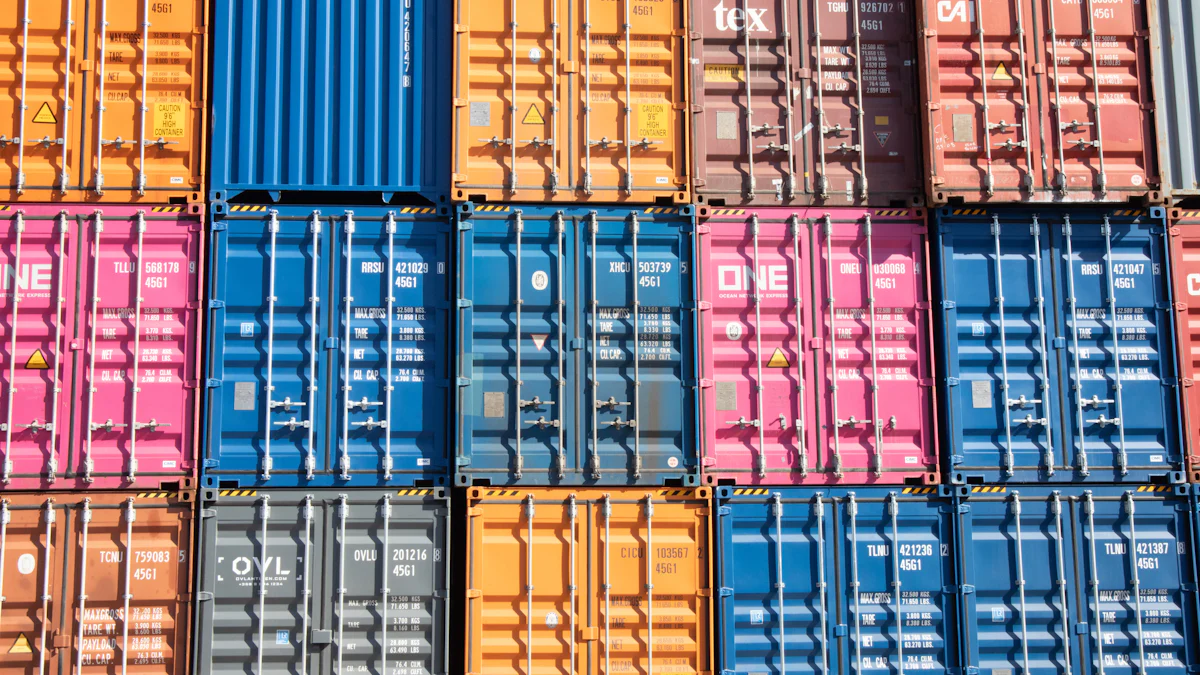
The post-war era introduced a transformative innovation in logistics: the standardized shipping container. Developed by Malcolm McLean in the mid-20th century, these containers revolutionized the way goods were transported. By creating a uniform size and structure, shipping containers allowed seamless movement across trucks, railroads, and ships. This standardization eliminated the need for manual handling at every transfer point, significantly reducing transit times and costs.
Ports and ships underwent redesigns to accommodate containerized cargo. Specialized cranes and container ships replaced traditional methods of loading and unloading goods. This shift not only improved efficiency but also enhanced reliability in global trade. Businesses could now consolidate shipments, ensuring faster delivery and reduced risks of damage or loss. The introduction of pallets further streamlined operations by integrating multiple products into a single shipment, simplifying handling and storage.
Containerization also played a pivotal role in expanding global trade. It enabled businesses to access international markets with greater ease, fostering economic growth and interconnectivity. The reduced shipping costs and increased speed of delivery laid the foundation for modern supply chain practices. Today, the standardized shipping container remains a cornerstone of global logistics, supporting the movement of goods across continents.
"Without containerization, the modern supply chain would not exist as we know it today."
The Rise of Global Logistics and Third-Party Providers
Globalization in the post-war era reshaped supply chain management. Businesses began to source materials and manufacture products across multiple countries, creating complex networks that spanned the globe. This expansion required more sophisticated logistics solutions to manage the growing complexity of operations.
Third-party logistics (3PL) providers emerged as key players during this period. These companies offered specialized services, including transportation, warehousing, and inventory management. By outsourcing these functions, businesses could focus on their core competencies while ensuring efficient supply chain operations. 3PL providers leveraged advancements in technology to optimize routes, track shipments, and improve overall efficiency.
The globalization of supply chains also introduced new challenges. Companies needed to navigate varying regulations, cultural differences, and geopolitical risks. However, advancements in communication and transportation technologies helped overcome these obstacles. Innovations such as real-time tracking systems and digital platforms enabled better coordination and visibility across the supply chain.
Global logistics evolved into a web-like structure, connecting suppliers, manufacturers, and consumers worldwide. This interconnectedness allowed businesses to respond quickly to market demands and expand into new regions. The rise of global logistics and third-party providers marked a significant milestone in the evolution of supply chain management, setting the stage for further advancements in the digital age.
The Computerization Era: Enhancing Supply Chain Efficiency
ERP Systems and Integrated Supply Chain Management
The advent of Enterprise Resource Planning (ERP) systems marked a significant milestone in the evolution of supply chain management. These systems integrated various business processes, enabling organizations to streamline operations and improve efficiency. By centralizing data, ERP systems provided real-time visibility into inventory levels, production schedules, and order statuses. This transparency allowed businesses to make informed decisions and respond quickly to market demands.
ERP systems enhanced collaboration between departments by breaking down silos and fostering seamless communication. For example, procurement teams could coordinate with production units to ensure the timely availability of raw materials. Logistics teams could track shipments and optimize delivery routes, reducing delays and costs. These improvements not only increased productivity but also strengthened supplier relationships and customer satisfaction.
"ERP systems have revolutionized supply chain management by optimizing resource allocation and improving workflow control."
In addition to operational benefits, ERP systems contributed to better resource management. Companies could reduce excess inventory, minimize waste, and lower operational costs. The implementation of ERP systems also shortened order cycle times, enabling businesses to deliver products faster. This efficiency proved crucial in competitive markets where speed and reliability often determined success.
The role of ERP systems extended beyond private enterprises. Humanitarian organizations also adopted these systems to enhance logistics performance and resource allocation. By improving fleet management and communication between headquarters and field operations, ERP systems supported effective disaster response and relief efforts. This versatility highlighted the transformative impact of ERP systems across various sectors.
Just-in-Time Manufacturing and Real-Time Visibility
The concept of Just-in-Time (JIT) manufacturing emerged as a game-changer in supply chain management. This approach focused on producing goods only when needed, reducing inventory levels and associated costs. JIT required precise coordination between suppliers, manufacturers, and distributors to ensure the timely delivery of materials and products. Companies like Toyota pioneered this method, setting a benchmark for efficiency and quality in manufacturing.
Real-time visibility played a critical role in the success of JIT manufacturing. Advanced technologies, such as Radio Frequency Identification (RFID) and Internet of Things (IoT) devices, enabled businesses to track inventory and monitor production processes in real time. This level of transparency allowed companies to identify bottlenecks, address issues promptly, and maintain smooth operations.
"Real-time visibility has become a cornerstone of modern supply chain management, enabling businesses to achieve unparalleled efficiency and responsiveness."
The integration of JIT and real-time visibility transformed supply chain dynamics. Businesses could reduce lead times, improve order accuracy, and enhance customer satisfaction. This approach also minimized the risk of overproduction and stockouts, ensuring optimal resource utilization. By leveraging these advancements, companies gained a competitive edge in an increasingly dynamic market.
The computerization era underscored the importance of technology in driving supply chain efficiency. ERP systems and JIT manufacturing demonstrated how digital tools could optimize operations, enhance collaboration, and deliver value to stakeholders. These innovations laid the foundation for the digital age, where technology continues to redefine supply chain management.
The Digital Age: Innovations in Supply Chain Management
Artificial Intelligence and IoT in Supply Chain Optimization
Artificial Intelligence (AI) has transformed supply chain management by introducing advanced optimization capabilities. Businesses now use AI to predict demand patterns, enabling precise inventory management and reducing excess stock. For example, AI analyzes demographic and behavioral data to forecast buying trends, ensuring that products are stocked efficiently. This predictive power helps retailers maintain a competitive edge in dynamic markets.
AI also enhances logistics by improving capacity planning and route optimization. Companies leverage AI algorithms to identify the most efficient transportation routes, minimizing delivery times and costs. Additionally, AI-powered systems monitor real-time data to address disruptions, such as weather or traffic delays, ensuring seamless operations. These advancements not only boost productivity but also create safer working conditions by automating repetitive tasks.
The Internet of Things (IoT) complements AI by providing real-time visibility across the supply chain. IoT devices, such as sensors and trackers, monitor the movement of goods from production to delivery. This transparency allows businesses to identify bottlenecks and optimize workflows. For instance, IoT-enabled sensors track temperature-sensitive products, ensuring quality during transit. Together, AI and IoT revolutionize supply chain management by enhancing efficiency, accuracy, and responsiveness.
"AI and IoT have become indispensable tools for modern supply chains, driving innovation and operational excellence."
Sustainability and Ethical Practices in Modern Supply Chains
Sustainability has emerged as a critical focus in supply chain management. Companies increasingly prioritize eco-friendly practices to reduce their environmental impact. For instance, many organizations adopt renewable energy sources and energy-efficient technologies in their operations. By optimizing transportation routes and consolidating shipments, businesses lower carbon emissions and contribute to a greener future.
Ethical practices also play a vital role in shaping modern supply chains. Consumers demand transparency regarding sourcing and labor conditions. In response, companies implement strict guidelines to ensure fair wages and safe working environments for employees. Many organizations also partner with suppliers who adhere to ethical standards, fostering accountability throughout the supply chain.
Sustainability and ethics not only align with corporate social responsibility but also enhance brand reputation. Businesses that embrace these values build trust with consumers and gain a competitive advantage. Moreover, sustainable practices often lead to cost savings by reducing waste and improving resource efficiency. As global challenges intensify, the integration of sustainability and ethics into supply chain management becomes increasingly essential.
"Sustainability and ethical practices define the future of supply chains, balancing profitability with social and environmental responsibility."
The evolution of the supply chain reflects humanity's ability to adapt and innovate. From ancient trade routes to modern digital networks, each milestone has shaped current practices. Technological advancements, such as AI and IoT, have enhanced efficiency and visibility, while globalization has expanded operational boundaries. These developments highlight the importance of adaptability in navigating challenges and seizing opportunities. Understanding this historical growth equips businesses to address present complexities and embrace future trends. As the supply chain continues to evolve, its role in driving commerce and innovation remains indispensable.
See Also
Examining Economic Development via Trade Transformation Strategies
Utilizing High-tech Areas to Foster Economic Expansion
Huizhou Zhongkai: An Innovative Growth Framework
Revolutionizing Trade: The Influence of Zhongkai High-tech Zone

Zhongkai High tech Zone National foreign trade transformation and Upgradi Base(Electronic Information)Cloud Platform.
Address: Zhongkai High-tech Zone,Huizhou City ,Guangdong,China
E-mail: huizhoueii@163.com 13510001271@163.com
Tel: +86-0752-3279220 Mobile: +86-13510001271
