A Deep Dive into Food Processing Industry Trends

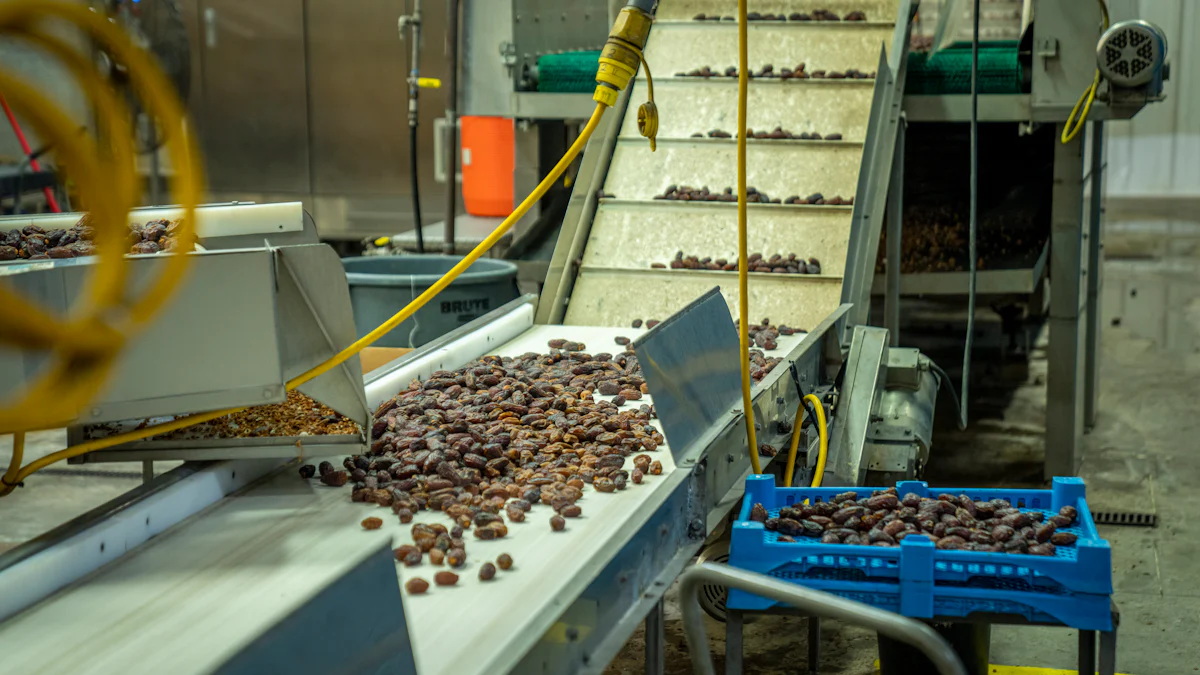
The food processing industry is undergoing a remarkable transformation, driven by advancements in technology, evolving consumer demands, and a growing focus on sustainability. Companies are adopting cutting-edge innovations like automation and artificial intelligence to enhance efficiency and ensure product quality. Simultaneously, shifting consumer preferences toward healthier, plant-based, and organic options are reshaping production priorities. Sustainability has become a cornerstone, with manufacturers emphasizing eco-friendly packaging and waste reduction. These dynamic changes highlight the industry's pivotal role in meeting global food supply needs while addressing environmental and societal challenges.
Key Takeaways
Embrace technological innovations like automation and AI to enhance efficiency and ensure product quality in food processing.
Respond to consumer demand for healthier options by diversifying product offerings with plant-based and functional foods.
Adopt sustainable practices, such as eco-friendly packaging and waste reduction, to align with consumer values and regulatory requirements.
Prioritize transparency in ingredient sourcing and labeling to build consumer trust and meet the growing demand for clean labels.
Leverage energy-efficient technologies to reduce the carbon footprint and operational costs, contributing to a more sustainable food processing industry.
Stay informed about regulatory developments to ensure compliance and maintain a competitive edge in the evolving market.
Collaborate with policymakers to promote innovation and sustainability, ensuring the food processing industry meets future challenges effectively.
The Role of Food Processing in the Modern Food Industry
Defining Food Processing
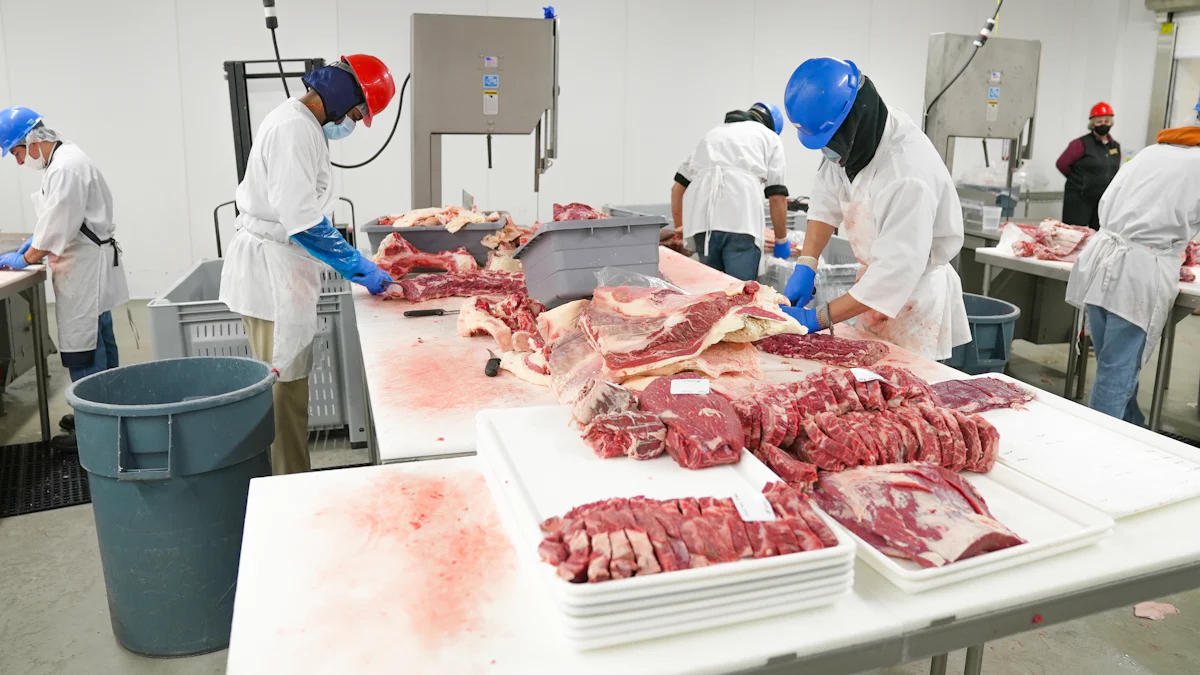
Food processing refers to the transformation of raw ingredients into consumable products through various physical, chemical, or biological methods. This process encompasses a wide range of activities, from basic cleaning and cutting to advanced techniques like pasteurization, freezing, and vacuum sealing. The primary goal is to enhance food safety, extend shelf life, and improve convenience for consumers.
The history of food processing reveals its critical role in human development. Nicolas Appert's invention of vacuum bottling in 1809 marked a turning point, enabling the preservation of food for extended periods. This innovation laid the foundation for modern canning techniques. Similarly, the discovery of pasteurization by Louis Pasteur in 1862 revolutionized food safety by eliminating harmful microorganisms. These advancements not only improved food quality but also addressed the growing need for reliable preservation methods.
In the 19th century, the first commercial use of freezing emerged, allowing large-scale preservation of perishable items. Refrigeration further extended the shelf life of foods, making it possible to transport fresh produce across long distances. Over time, technological progress has refined these methods, ensuring that processed foods meet the demands of modern consumers for safety, convenience, and nutrition.
The Importance of Processing in Global Food Supply Chains
Processing plays a vital role in maintaining the stability and efficiency of global food supply chains. It ensures that food remains safe and consumable from production to consumption, even when transported across continents. By reducing spoilage and waste, processing helps address the challenges of feeding a growing global population.
Historical milestones underscore its significance. During the 19th and 20th centuries, advancements in food processing catered to military needs, providing soldiers with safe and durable rations. These innovations later transitioned to civilian use, improving access to preserved and convenient food products. For instance, the introduction of tinning and canning enabled the storage of food for extended periods, reducing dependency on seasonal availability.
Modern processing techniques, such as automation and artificial intelligence, have further enhanced efficiency and quality. These technologies streamline production, minimize human error, and ensure consistent standards. Additionally, sustainable practices, like utilizing by-products and reducing energy consumption, align with global efforts to combat environmental challenges.
In today's interconnected world, processing supports the distribution of diverse food products to meet varying cultural and dietary preferences. It bridges the gap between producers and consumers, ensuring that food remains accessible, safe, and nutritious. By integrating innovation and sustainability, the food processing industry continues to play a pivotal role in shaping the future of global food systems.
Key Trends Transforming the Food Processing Industry
Technological Innovations in Processing
Automation and Robotics Enhancing Efficiency
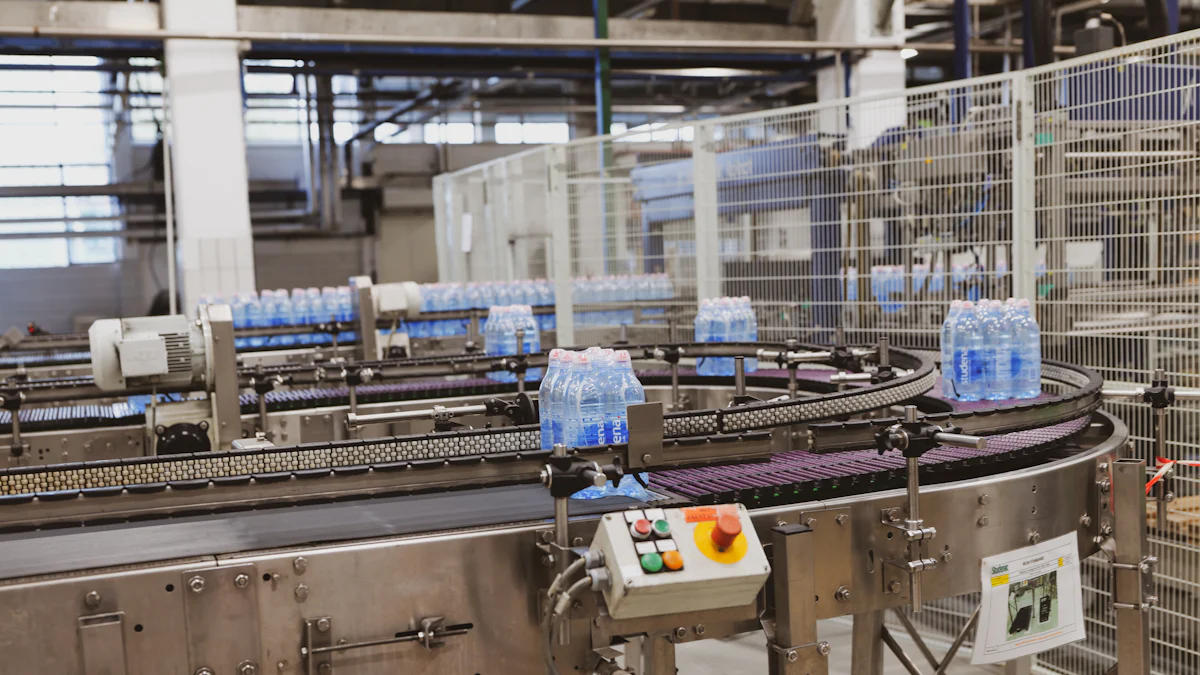
Automation and robotics are revolutionizing food processing by streamlining operations and improving precision. Automated systems handle repetitive tasks like sorting, cutting, and packaging with unmatched accuracy. Robotics ensures consistent quality, reduces human error, and enhances scalability for manufacturers. For instance, robotic arms in assembly lines can process large volumes of food products efficiently, meeting the growing demand for processed foods. These advancements not only boost productivity but also lower operational costs, making them indispensable in modern food manufacturing.
Artificial Intelligence for Quality and Safety
Artificial intelligence (AI) is transforming quality control and safety measures in food processing. AI-powered systems analyze data in real-time to detect contaminants, monitor freshness, and ensure compliance with safety standards. Machine learning algorithms predict equipment maintenance needs, preventing downtime and ensuring uninterrupted production. For example, AI-driven sensors identify irregularities in food texture or color, ensuring only high-quality products reach consumers. This integration of AI enhances consumer trust by guaranteeing safety and consistency in processed foods.
Sustainable Packaging Technologies
Sustainability has become a priority in food processing, with innovative packaging solutions leading the way. Manufacturers are adopting biodegradable materials and recyclable packaging to reduce environmental impact. Technologies like edible films and plant-based plastics offer eco-friendly alternatives to traditional packaging. These advancements align with global efforts to minimize waste and promote a circular economy. By embracing sustainable packaging, the industry addresses consumer concerns about environmental responsibility while maintaining product integrity.
Consumer-Driven Shifts in Food Processing
Demand for Plant-Based and Alternative Proteins
The rising popularity of plant-based diets has reshaped food processing priorities. Consumers seek alternative protein sources like soy, pea, and mycoprotein, driving innovation in this segment. Processing techniques now focus on enhancing the texture and flavor of plant-based products to mimic traditional meat. This shift caters to health-conscious individuals and those concerned about the environmental impact of animal agriculture. The demand for alternative proteins continues to grow, creating opportunities for manufacturers to diversify their offerings.
Clean Labels and Transparent Ingredient Sourcing
Consumers increasingly value transparency in food labeling and ingredient sourcing. Clean labels, which feature simple and recognizable ingredients, have become a standard expectation. Food processors now prioritize sourcing natural and minimally processed ingredients to meet this demand. Transparent practices build consumer trust and reflect a commitment to quality. By highlighting ethical sourcing and clear labeling, companies strengthen their brand reputation and appeal to informed buyers.
Growth of Functional and Health-Focused Foods
Functional foods, designed to provide health benefits beyond basic nutrition, are gaining traction. Ingredients like probiotics, omega-3 fatty acids, and antioxidants are incorporated into processed foods to support wellness. This trend reflects a shift toward preventive health measures and personalized nutrition. Food processors innovate to create products that address specific health concerns, such as heart health or digestive wellness. The growth of functional foods underscores the industry's responsiveness to evolving consumer needs.
Regulatory Developments Impacting Processing
Stricter Food Safety and Labeling Requirements
Governments worldwide are implementing stricter regulations to ensure food safety and accurate labeling. These measures protect consumers and promote transparency in the food processing industry. Compliance with these standards requires advanced processing technologies and rigorous quality control systems. For instance, traceability solutions enable manufacturers to track products throughout the supply chain, ensuring accountability. Adhering to these regulations enhances consumer confidence and upholds industry credibility.
Policies Supporting Sustainability and Waste Reduction
Policymakers are introducing initiatives to encourage sustainable practices in food processing. These policies incentivize waste reduction, energy efficiency, and the use of renewable resources. Companies adopting green processing methods benefit from regulatory support and consumer approval. For example, tax incentives for energy-efficient equipment motivate manufacturers to invest in sustainable technologies. These policies drive the industry's transition toward environmentally responsible practices.
Trade Regulations Shaping Global Food Markets
Trade regulations significantly influence the global food processing landscape. Tariffs, import-export restrictions, and international agreements impact the availability and pricing of processed foods. Manufacturers must navigate these complexities to remain competitive in global markets. Understanding trade policies enables companies to optimize supply chains and expand their reach. By adapting to regulatory changes, the industry ensures the seamless distribution of processed foods across borders.
Environmental Sustainability in Food Processing
Energy Efficiency and Carbon Footprint Reduction
The food processing industry has embraced energy-efficient technologies to minimize environmental impact. Advanced machinery now operates with optimized energy consumption, reducing overall carbon emissions. For instance, manufacturers integrate renewable energy sources like solar and wind power into their operations. This shift not only lowers greenhouse gas emissions but also aligns with global sustainability goals.
Digital transformation plays a significant role in enhancing energy efficiency. Smart systems monitor energy usage in real-time, identifying areas for improvement. Automated equipment reduces waste by ensuring precise processing, which conserves resources. These innovations demonstrate the industry's commitment to reducing its carbon footprint while maintaining production efficiency.
Circular Economy Approaches to Food Waste
Circular economy principles have gained traction in food processing, focusing on waste reduction and resource reuse. Companies now repurpose by-products into valuable materials, such as animal feed or bioenergy. This approach minimizes landfill contributions and maximizes resource utilization.
Innovative technologies support these efforts. For example, advanced sorting systems separate organic waste for composting or biogas production. Additionally, manufacturers collaborate with suppliers to design packaging that facilitates recycling. These practices reflect a shift toward sustainable operations, where waste becomes an asset rather than a liability.
Water Conservation in Processing Operations
Water conservation has become a priority in food processing, given the industry's high water usage. Companies implement closed-loop systems to recycle water within their facilities, significantly reducing consumption. These systems treat and reuse water for non-potable purposes, such as cleaning equipment or cooling machinery.
Technological advancements further enhance water efficiency. Automated monitoring tools detect leaks and optimize water flow, preventing unnecessary wastage. Some manufacturers adopt dry processing techniques, which eliminate water use in specific stages. These strategies highlight the industry's proactive approach to preserving a critical natural resource.
Implications of Processing Trends for Key Stakeholders
Business Opportunities and Challenges
Aligning with Consumer Expectations and Regulations
Businesses in the food processing industry face the challenge of meeting evolving consumer demands while adhering to stringent regulations. Consumers increasingly prioritize healthier, sustainable, and ethically sourced food products. Companies must adapt by offering clean-label products and ensuring transparency in ingredient sourcing. Regulatory bodies enforce stricter food safety standards, requiring businesses to implement advanced quality control systems. For instance, traceability solutions allow manufacturers to monitor every stage of the supply chain, ensuring compliance and building consumer trust. Aligning with these expectations and regulations creates opportunities for businesses to strengthen their market position and enhance brand loyalty.
Leveraging Technology for Competitive Advantage
Technological advancements provide businesses with tools to gain a competitive edge. Automation and robotics streamline production processes, reducing costs and improving efficiency. Artificial intelligence enhances quality control by detecting defects and optimizing operations. Sustainable technologies, such as energy-efficient machinery and water recycling systems, help companies reduce their environmental impact. For example, smart processing technologies minimize waste and conserve resources, aligning with global sustainability goals. By leveraging these innovations, businesses can improve productivity, meet consumer expectations, and maintain a competitive advantage in a rapidly evolving market.
Consumer Benefits and Considerations
Access to Healthier, Sustainable Food Choices
Consumers benefit from the industry's focus on health and sustainability. The rise of functional foods provides options that support wellness, such as products enriched with probiotics or omega-3 fatty acids. Sustainable practices, including eco-friendly packaging and reduced food waste, address environmental concerns. Advanced processing techniques ensure food safety and quality, offering consumers reliable and nutritious options. These developments empower individuals to make informed choices that align with their health goals and ethical values.
Balancing Convenience with Ethical Concerns
Modern lifestyles demand convenience, but consumers also value ethical considerations. Ready-to-eat meals and pre-packaged foods cater to busy schedules, yet many buyers seek assurance that these products are sustainably produced. Transparent labeling and ethical sourcing practices address these concerns, allowing consumers to balance convenience with their values. For instance, companies that adopt circular economy principles, such as repurposing by-products, demonstrate a commitment to sustainability. This balance fosters trust and encourages responsible consumption.
Policymaker Roles and Responsibilities
Encouraging Innovation While Ensuring Safety
Policymakers play a crucial role in fostering innovation within the food processing industry. By providing incentives for research and development, they encourage the adoption of advanced technologies. At the same time, they must ensure that safety standards are upheld. Striking this balance requires collaboration between governments, businesses, and researchers. For example, policies that support the development of energy-efficient equipment benefit both the industry and the environment. Policymakers must create frameworks that promote progress while safeguarding public health.
Promoting Global Collaboration on Sustainability
Global challenges, such as climate change and food security, require collaborative solutions. Policymakers can facilitate international partnerships to address these issues. Trade agreements and sustainability initiatives enable countries to share resources and expertise. For instance, policies that promote the use of renewable energy in food processing contribute to global carbon reduction efforts. By fostering cooperation, policymakers can drive the industry's transition toward a more sustainable future.
The food processing industry stands at a transformative juncture, driven by innovation, evolving consumer demands, and environmental imperatives. Businesses must integrate advanced technologies and sustainable practices to remain competitive. Consumers increasingly prioritize health and sustainability, with 75% willing to pay more for products offering benefits like high protein or digestive health. Policymakers play a critical role in fostering innovation while ensuring safety and sustainability. By embracing these trends, stakeholders can shape a future that delivers efficient, eco-friendly, and consumer-focused solutions, meeting the growing demand for healthier and more sustainable food options.
See Also
Investing Smartly in Huizhou's Thriving Industry Sector
Driving Industrial Expansion Through Huizhou's High-Tech Zone
Maximizing Growth Opportunities in High-Tech Zones

Zhongkai High tech Zone National foreign trade transformation and Upgradi Base(Electronic Information)Cloud Platform.
Address: Zhongkai High-tech Zone,Huizhou City ,Guangdong,China
E-mail: huizhoueii@163.com 13510001271@163.com
Tel: +86-0752-3279220 Mobile: +86-13510001271
