Geopolitical Challenges and Opportunities in Global Trade

Global trade has become a cornerstone of modern geopolitics, influencing economic growth and international relations. In 2022, trade in goods and services reached an unprecedented $32 trillion, showcasing its resilience despite global disruptions. This interconnected system fosters collaboration but also fuels competition among nations. Geopolitical conflicts, such as those in Eastern Europe, have reshaped trade policies, introducing barriers and altering alliances. Nations now face the challenge of balancing economic priorities with security concerns. Proactive strategies are essential to navigate this evolving landscape, ensuring stability and fostering opportunities in an increasingly complex global economy.
Key Takeaways
Global trade is a vital component of modern geopolitics, influencing economic growth and international relations.
Trade imbalances and economic inequality pose significant challenges, requiring multilateral cooperation to ensure fair benefits for all nations.
Emerging technologies like blockchain and AI can enhance supply chain efficiency and transparency, helping businesses adapt to global trade complexities.
Regional trade agreements (RTAs) are crucial for fostering economic collaboration and mitigating geopolitical risks, especially among developing economies.
Sustainability in trade practices is essential; businesses should integrate ethical considerations to balance economic growth with social responsibility.
International cooperation is key to addressing trade challenges; nations must engage in open dialogue and strengthen institutions like the WTO.
Middle-income countries are becoming increasingly important in global trade, serving as bridges between developed and developing economies.
The Historical Nexus Between Trade and Geopolitics
Trade as a Driver of Power and Influence
Trade has long served as a tool for nations to assert power and influence. Throughout history, countries have used trade to expand their economic reach and strengthen their geopolitical standing. For example, the Silk Road connected Asia, Europe, and Africa, enabling the exchange of goods, culture, and ideas. This ancient trade network not only boosted economies but also established diplomatic ties between distant regions.
In modern times, global trade has become even more intertwined with geopolitics. Nations leverage trade agreements to build alliances and secure strategic advantages. Geopolitical alignment often determines the volume and direction of trade flows. For instance, countries with shared political interests tend to engage in higher levels of trade, fostering mutual economic growth. Conversely, trade restrictions, such as sanctions or export bans, are frequently employed as tools of economic coercion to influence political outcomes.
The complexity of global trade reflects the diverse interests of nations. Economic priorities, security concerns, and political ideologies all shape trade policies. This intricate web of factors underscores the importance of international trade law, which provides a framework for fairness and accountability in global commerce. By adhering to these laws, nations can navigate the challenges of trade while promoting stability and cooperation.
Lessons from the 20th Century
The 20th century offers valuable lessons on the relationship between trade and geopolitics. During this period, trade played a pivotal role in shaping global power dynamics. The aftermath of World War II saw the establishment of institutions like the General Agreement on Tariffs and Trade (GATT), which later evolved into the World Trade Organization (WTO). These organizations aimed to reduce trade barriers and foster economic collaboration among nations.
The Cold War era further highlighted the geopolitical significance of trade. The United States and the Soviet Union competed for influence by forming economic alliances with other countries. Trade became a means of projecting power and securing loyalty. For example, the Marshall Plan, an American initiative to aid Western Europe, not only revitalized economies but also strengthened political ties against the spread of communism.
China's rise as a global trade powerhouse in the late 20th century marked another turning point. By embracing export-driven growth, China transformed its economy and gained significant geopolitical influence. Its increasing trade with developing economies reflects a shift in global trade dynamics, emphasizing the growing importance of emerging markets.
These historical examples demonstrate that trade is more than an economic activity; it is a strategic tool that shapes the global order. Understanding these lessons can help policymakers and businesses navigate the complexities of today's interconnected world.
Current Geopolitical Challenges in Global Trade
Trade Imbalances and Economic Inequality
Trade imbalances have become a persistent challenge in global trade. Countries with significant trade surpluses, such as China and Germany, often face criticism for creating economic disparities. Conversely, nations with large trade deficits, like the United States, struggle with domestic economic pressures. These imbalances can exacerbate inequality, both within and between countries, by concentrating wealth in specific regions or industries.
Economic inequality further complicates the global trade landscape. Developing nations often lack the resources to compete on equal footing with advanced economies. This disparity limits their ability to benefit from international trade. For instance, many low-income countries rely heavily on exporting raw materials, which are subject to price volatility. Meanwhile, wealthier nations dominate high-value industries like technology and pharmaceuticals, widening the economic gap.
Efforts to address these issues require multilateral cooperation. Organizations like the World Trade Organization (WTO) play a crucial role in promoting fair trade practices. However, rising protectionism and geopolitical tensions have hindered progress. Policymakers must prioritize inclusive trade policies to ensure that global trade benefits all participants, not just a select few.
Supply Chain Vulnerabilities
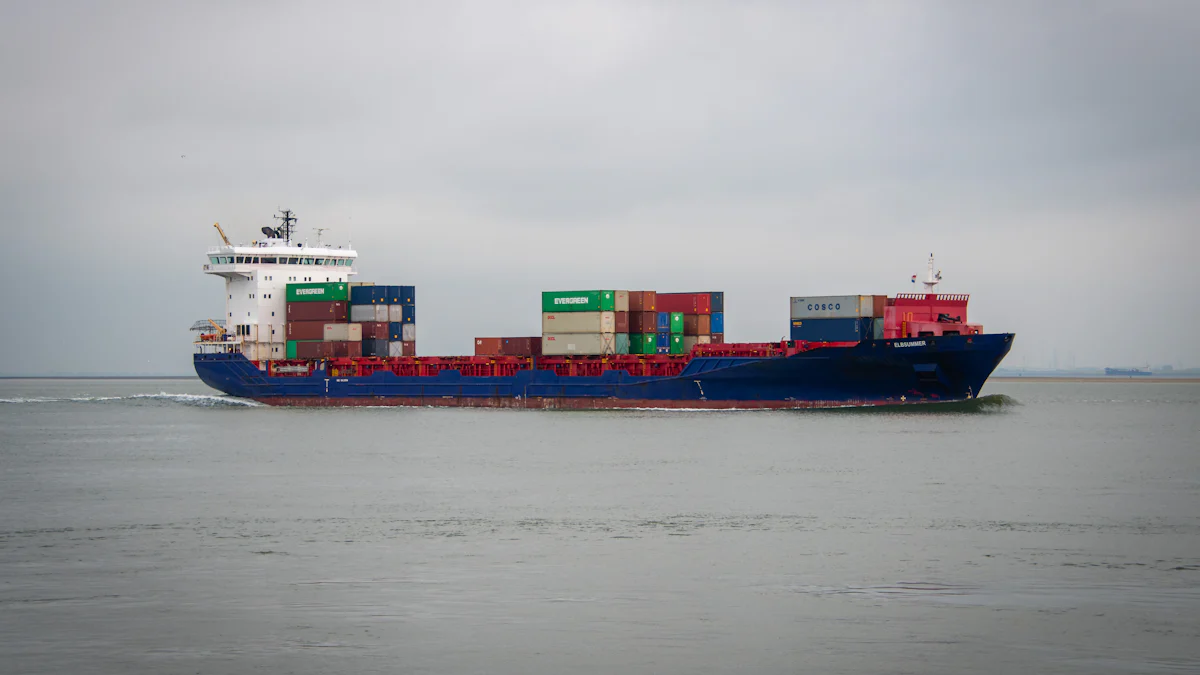
Global supply chains have faced unprecedented disruptions in recent years. The COVID-19 pandemic exposed the fragility of these networks, leading to shortages of essential goods. Geopolitical conflicts, such as the war in Ukraine, have further strained supply chains by disrupting key trade routes and increasing transportation costs.
Businesses now grapple with the challenge of building resilient supply chains. Dependence on single suppliers or regions has proven risky, particularly when those areas are affected by geopolitical instability. For example, tensions in the South China Sea threaten critical shipping lanes, impacting the flow of goods worldwide.
To mitigate these risks, companies are diversifying their supply chains. Nearshoring and reshoring strategies have gained traction, allowing businesses to reduce reliance on distant suppliers. Additionally, technological advancements, such as blockchain, offer new ways to enhance transparency and efficiency in supply chain management. These measures are essential for navigating the complexities of modern global trade.
Rising Geopolitical Tensions
Geopolitical tensions have become a defining feature of the current global trade environment. Conflicts in regions like Eastern Europe and the Middle East have reshaped trade patterns, forcing nations to reconsider their economic alliances. The ongoing trade dispute between the United States and China exemplifies how political rivalries can disrupt global commerce.
These tensions often lead to restrictive trade policies, such as tariffs and sanctions. For instance, the U.S.-China trade war has resulted in higher costs for businesses and consumers. Similarly, sanctions imposed on Russia have limited its access to international markets, affecting global energy supplies.
The rise of nationalism and protectionism further complicates the situation. Countries prioritizing domestic industries over international cooperation risk fragmenting the global trade system. This trend undermines the interconnectedness that has driven economic growth for decades.
Addressing these challenges requires a balanced approach. Policymakers must navigate the delicate interplay between economic interests and geopolitical considerations. Strengthening international institutions and fostering dialogue among nations can help reduce tensions and promote stability in global trade.
Emerging Opportunities in Global Trade

Regional Trade Agreements
Regional trade agreements (RTAs) have become a cornerstone of modern global trade. These agreements, often formed between neighboring countries or within specific regions, aim to reduce trade barriers and foster economic collaboration. By eliminating tariffs and streamlining regulations, RTAs create a more favorable environment for businesses to expand their operations across borders.
The majority of preferential trade agreements today involve developing economies. This trend highlights the growing importance of emerging markets in shaping global trade dynamics. For instance, agreements like the African Continental Free Trade Area (AfCFTA) have the potential to boost intra-African trade significantly. Such initiatives not only enhance regional integration but also provide smaller economies with access to larger markets.
RTAs also play a pivotal role in mitigating geopolitical risks. By strengthening economic ties, these agreements can reduce the likelihood of conflicts and promote stability. Policymakers and businesses must recognize the strategic value of RTAs in navigating the complexities of the global economy.
Digital Trade and E-commerce
The rapid growth of digital trade and e-commerce has revolutionized the way goods and services are exchanged globally. Digital products now account for a substantial portion of world trade, growing at an impressive rate of 24% annually. This surge reflects the increasing reliance on technology-driven solutions in both developed and developing economies.
E-commerce platforms have enabled businesses to reach customers worldwide, breaking down traditional barriers to entry. Small and medium-sized enterprises (SMEs), in particular, have benefited from this trend. By leveraging digital tools, these businesses can compete on a global scale, driving innovation and economic growth.
The rise of digital trade also underscores the need for robust regulatory frameworks. Issues such as data privacy, cybersecurity, and intellectual property rights require careful attention. Governments and international organizations must collaborate to establish standards that ensure fair competition and protect consumers.
The Role of Middle-Income Countries
Middle-income countries have emerged as key players in the global trade landscape. These nations, characterized by their growing economies and expanding middle classes, serve as both producers and consumers in international markets. Their increasing share of trade with developing economies highlights their strategic importance.
Countries like China and India exemplify the potential of middle-income nations to drive global trade. By investing in infrastructure and fostering innovation, these countries have positioned themselves as hubs for manufacturing and services. Their success demonstrates the value of targeted policies that support economic diversification and competitiveness.
Middle-income countries also play a crucial role in bridging the gap between developed and developing economies. By participating in regional trade agreements and multilateral initiatives, they can facilitate knowledge transfer and promote inclusive growth. Policymakers should prioritize partnerships with these nations to unlock new opportunities in global trade.
Strategies for Addressing Challenges and Leveraging Opportunities
Fostering International Cooperation
International cooperation remains essential for addressing the complexities of global trade. Nations must collaborate to create frameworks that reduce risks and enhance economic stability. For example, initiatives like the Mineral Security Partnership demonstrate how countries can work together to diversify supply chains. This collaboration not only mitigates short-term risks but also builds long-term resilience in critical sectors.
Policymakers should prioritize multilateral agreements that promote fair trade practices. These agreements can help reduce trade barriers and foster trust among nations. By engaging in open dialogue, countries can address disputes and prevent conflicts that disrupt trade. Strengthening international institutions, such as the World Trade Organization, can further support these efforts by ensuring accountability and transparency.
Businesses also play a role in fostering cooperation. Companies can engage in cross-border partnerships to share resources and expertise. Collaborative efforts between private and public sectors can drive innovation and create solutions to global challenges. Through these actions, stakeholders can build a more interconnected and stable trade environment.
"Cooperation in diversifying supply chains can reduce risk exposure and enhance long-term resiliency in global trade."
Embracing Sustainable Trade Practices
Sustainability has become a critical factor in shaping the future of global trade. Businesses and governments must adopt practices that balance economic growth with environmental and social responsibility. Ethical considerations should guide decision-making processes to ensure that trade benefits society as a whole.
Companies can integrate sustainability into their operations by supporting green initiatives and reducing their carbon footprint. For instance, adopting renewable energy sources and minimizing waste can contribute to a more sustainable supply chain. Governments can incentivize these efforts through policies that encourage eco-friendly practices.
Fair trade practices also play a vital role in promoting sustainability. By ensuring that workers receive fair wages and safe working conditions, businesses can address economic inequality. Transparent supply chains further enhance accountability, allowing consumers to make informed choices that align with their values.
"By integrating ethical considerations into their decision-making processes, businesses can strike a balance between economic interests and societal concerns."
Adapting to Technological Advancements
Technological advancements continue to reshape the landscape of global trade. Countries that lead in innovation gain significant economic and geopolitical advantages. To remain competitive, businesses and governments must embrace emerging technologies and adapt to the changing market environment.
Digital tools, such as blockchain and artificial intelligence, offer opportunities to enhance efficiency and transparency in trade. Blockchain technology can improve supply chain management by providing real-time tracking and reducing fraud. Artificial intelligence enables businesses to analyze data and optimize operations, leading to cost savings and improved decision-making.
By prioritizing innovation, stakeholders can navigate the challenges of globalization and unlock new opportunities.
"Thriving in the new global market environment requires a robust growth strategy and strategic risk management to adapt to geopolitical shifts."
Global trade embodies both challenges and opportunities, shaping the modern geopolitical and economic landscape. It drives collaboration but also intensifies competition, requiring nations to adopt proactive strategies. Addressing trade imbalances, supply chain vulnerabilities, and ethical concerns demands collective action. Policymakers, businesses, and international organizations must prioritize sustainability, fairness, and innovation. By fostering cooperation and embracing responsible practices, stakeholders can create a resilient and equitable global trade system. The future of trade depends on shared commitment to ethical principles, technological advancements, and inclusive growth, ensuring prosperity for all participants in the global economy.
See Also
Zhongkai High-tech Zone's Role in Trade Transformation
National Foreign Trade Transformation: A Path to Economic Growth
Insights into National Foreign Trade Transformation Bases

Zhongkai High tech Zone National foreign trade transformation and Upgradi Base(Electronic Information)Cloud Platform.
Address: Zhongkai High-tech Zone,Huizhou City ,Guangdong,China
E-mail: huizhoueii@163.com 13510001271@163.com
Tel: +86-0752-3279220 Mobile: +86-13510001271
