Comparative Analysis of Global Industry Upgrading Strategies

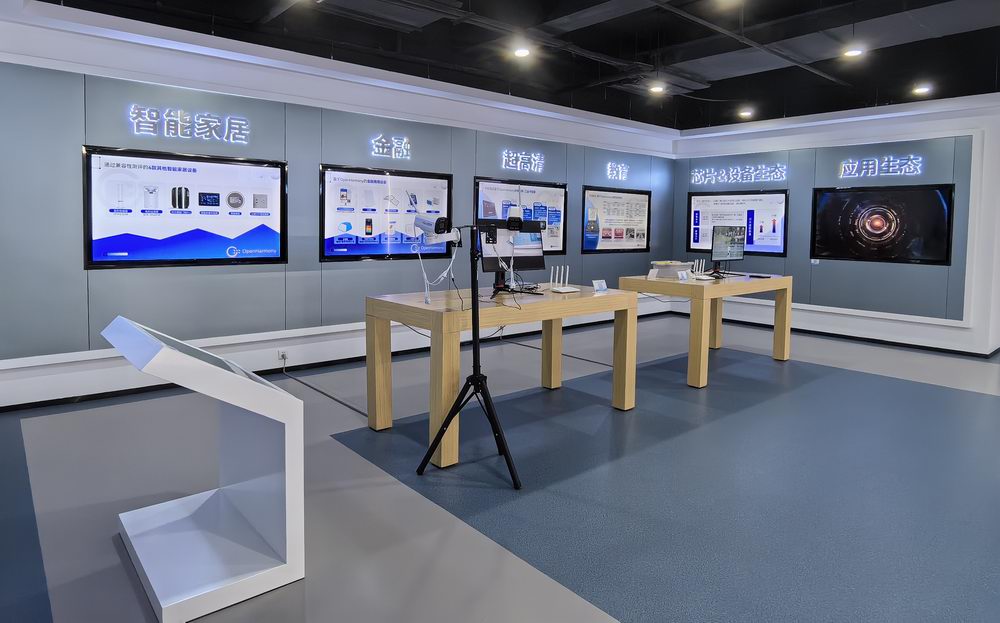
Industry upgrading plays a pivotal role in the global economy, driving growth and innovation. The industrial services market is projected to grow at a compound annual growth rate of 6.5% from 2024 to 2030, reaching an impressive USD 50.09 billion. This growth underscores the necessity for countries to remain competitive in an ever-evolving economic landscape. Huizhou Zhongkai High-tech Zone emerges as a key player in this arena. It provides robust support for industry upgrading, offering enterprises the infrastructure and resources needed to thrive. The zone's cloud platform significantly aids local businesses, enhancing their development and competitiveness.
Understanding Industrial Upgrading
Definition and Significance
What is industrial upgrading?
Industrial upgrading refers to the process where economic entities, such as nations, firms, and workers, transition from low-value to high-value activities. This transformation involves adopting advanced technologies, improving production processes, and enhancing product quality. By doing so, firms can offer superior products at competitive prices, thereby gaining a competitive edge in the market. Industrial upgrading not only boosts productivity but also fosters economic diversification, which is crucial for sustainable growth.
Why is it crucial for economic development?
Industrial upgrading plays a vital role in economic development. It enhances a country's competitive advantage by improving efficiency and reducing production costs. This process enables nations to attract foreign investment, which further stimulates economic growth. Moreover, industrial upgrading contributes to economic resilience by allowing regions to adapt to changing market demands. For instance, in some regions, an inverted U-shaped trend in industrial structure upgrading has been observed, indicating varying impacts on economic resilience. By continuously evolving, industries can maintain their relevance and drive national prosperity.
Key Components of Industrial Upgrading
Innovation and technology
Innovation and technology serve as the backbone of industrial upgrading. They enable firms to streamline operations, reduce costs, and improve product offerings. By integrating cutting-edge technologies, companies can enhance their production capabilities and deliver high-quality products. This technological advancement not only benefits individual firms but also strengthens the overall industrial landscape. As industries upgrade, they contribute to a more robust and competitive economy.
Workforce development
Workforce development is another critical component of industrial upgrading. A skilled workforce can effectively utilize new technologies and drive innovation. Investing in education and training programs ensures that workers possess the necessary skills to adapt to evolving industry demands. By fostering a culture of continuous learning, industries can maintain a competitive edge and support economic growth. Workforce development also empowers individuals, providing them with opportunities for career advancement and personal growth.
Comparative Strategies Across Countries
Technology Transfer
Examples of successful technology transfer
Technology transfer plays a crucial role in industry upgrading by facilitating the movement of knowledge and innovations from one entity to another. Successful examples abound globally. For instance, the Bayh-Dole Act in the United States has significantly impacted technology transfer by allowing universities and small businesses to own patents on inventions developed with federal funding. This legislation has spurred innovation and commercialization, leading to numerous technological advancements. In Asia, South Korea's collaboration with multinational corporations has enabled the country to leapfrog in technology sectors, particularly in electronics and automotive industries. These examples highlight how strategic technology transfer can drive industry upgrading and economic growth.
Challenges in technology transfer
Despite its benefits, technology transfer faces several challenges. One major hurdle is the lack of effective intermediaries to facilitate the process. These intermediaries play a vital role in bridging the gap between research institutions and industries. Additionally, intellectual property rights can complicate the transfer, as firms may hesitate to share proprietary technologies. Cultural and language barriers also pose significant challenges, especially in international collaborations. Addressing these issues requires robust policies and frameworks that encourage open communication and trust among stakeholders.
Government Policies
Policy frameworks supporting industrial upgrading
Government policies are instrumental in supporting industry upgrading. Effective policy frameworks create an environment conducive to innovation and growth. For example, many countries have established research and development (R&D) tax incentives to encourage companies to invest in new technologies. These incentives reduce the financial burden on firms, allowing them to allocate more resources toward innovation. Additionally, governments often implement policies that promote workforce development, ensuring that workers possess the skills needed for evolving industries. Such policies not only enhance a country's competitive edge but also contribute to sustainable economic development.
Case studies of effective government interventions
Similarly, China's Made in China 2025 strategy aims to upgrade the country's industrial capabilities by focusing on high-tech industries. These case studies illustrate how targeted government policies can drive industry upgrading and foster economic resilience.
Multinational Collaborations
Role of international partnerships
International partnerships play a pivotal role in industry upgrading by facilitating the exchange of knowledge and resources across borders. These collaborations enable countries to leverage each other's strengths and expertise, leading to mutual benefits. For instance, joint ventures between companies from different countries can result in the development of innovative products and services. Such partnerships also provide access to new markets, enhancing a firm's global competitiveness. By fostering international cooperation, countries can accelerate their industry upgrading efforts and achieve sustainable growth.
Benefits and drawbacks of collaborations
While multinational collaborations offer numerous advantages, they also present challenges. On the positive side, these partnerships can lead to increased innovation and efficiency, as firms pool their resources and expertise. Collaborations also provide opportunities for knowledge transfer, enabling companies to learn from each other's experiences. However, potential drawbacks include cultural differences and conflicting business practices, which can hinder effective communication and decision-making. Additionally, issues related to intellectual property rights may arise, complicating the collaboration process. Despite these challenges, the benefits of multinational collaborations often outweigh the drawbacks, making them a valuable strategy for industry upgrading.
Challenges and Solutions in Implementation
Common Challenges
Financial constraints
Financial constraints often pose significant hurdles in the process of industry upgrading. Many firms, especially small and medium-sized enterprises (SMEs), struggle to secure the necessary funding for adopting new technologies and processes. The high costs associated with research and development, equipment upgrades, and workforce training can deter companies from pursuing industry upgrading initiatives. According to a recent survey, many technology vendors and end users in the manufacturing industry cite financial limitations as a primary barrier to implementing advanced technologies.
Resistance to change
Resistance to change is another common challenge that industries face during upgrading efforts. Employees and management may hesitate to embrace new technologies or processes due to fear of the unknown or potential job displacement. This reluctance can slow down the adoption of innovative practices and hinder overall progress. Overcoming this resistance requires effective communication and change management strategies to ensure that all stakeholders understand the benefits of industry upgrading.
Solutions and Best Practices
Leveraging public-private partnerships
Public-private partnerships (PPPs) offer a viable solution to financial constraints in industry upgrading. By collaborating with government entities, private firms can access additional funding and resources to support their upgrading efforts. These partnerships can facilitate the sharing of knowledge and expertise, enabling companies to implement new technologies more effectively. For instance, Zhongkai High Tech Zone provides a supportive infrastructure that fosters collaboration between public and private sectors, helping enterprises overcome financial barriers and achieve successful industry upgrading.
Encouraging innovation through incentives
Incentives play a crucial role in encouraging innovation and overcoming resistance to change. Governments and industry leaders can offer tax breaks, grants, or subsidies to companies that invest in research and development or adopt new technologies. These incentives reduce the financial burden on firms and motivate them to pursue industry upgrading initiatives. Additionally, creating a culture of innovation within organizations can help alleviate resistance to change. By promoting continuous learning and development, companies can empower their workforce to embrace new technologies and drive industry upgrading.
The Role of Zhongkai High Tech Zone
Supportive Infrastructure
Facilities and resources available
These resources enable firms to conduct advanced research and development, fostering technological breakthroughs.
This robust infrastructure positions Zhongkai as a pivotal player in the industrial landscape, driving economic growth and competitiveness.
Success stories of enterprises
Numerous enterprises have thrived within Zhongkai High Tech Zone, leveraging its resources to achieve remarkable success. EAI Tech, a prominent company in the zone, exemplifies this achievement. By establishing the EAI STP at Dongjiang Science and Technology Park, the company has significantly boosted its production capacity. This initiative has not only accelerated the market entry of AI products but also created numerous job opportunities. EAI Tech's success underscores the transformative impact of Zhongkai's supportive infrastructure on local enterprises.
Another success story involves firms in the intelligent terminals and ultra-high-definition video displays sectors. These companies have harnessed the zone's facilities to innovate and expand their market presence. Their achievements highlight Zhongkai High Tech Zone's role as a catalyst for industrial growth and technological advancement.
Cloud Platform Assistance
How the platform aids in technology transfer
Zhongkai High Tech Zone's cloud platform plays a crucial role in facilitating technology transfer. This digital tool serves as a bridge between research institutions and industries, enabling seamless knowledge exchange. Companies can access a wealth of information and resources through the platform, accelerating the adoption of new technologies. The cloud platform also provides a collaborative space where enterprises can engage with experts and peers, fostering innovation and problem-solving.
By streamlining technology transfer, the platform empowers businesses to enhance their capabilities and competitiveness. Firms can integrate cutting-edge technologies into their operations, improving efficiency and product quality. This digital assistance positions Zhongkai High Tech Zone as a leader in promoting industrial upgrading through technology transfer.
Impact on local enterprise development
The cloud platform's impact on local enterprise development is profound. It has enabled businesses to overcome traditional barriers to innovation, such as limited access to expertise and resources. Companies in Zhongkai High Tech Zone have leveraged the platform to develop new products and services, expanding their market reach. This digital tool has also facilitated partnerships and collaborations, driving collective growth and success.
Local enterprises have reported significant improvements in productivity and competitiveness, thanks to the platform's support. By fostering a culture of innovation and collaboration, the cloud platform has become an indispensable asset for businesses in Zhongkai High Tech Zone. Its role in enhancing local enterprise development underscores the zone's commitment to driving industrial progress and economic prosperity.
The analysis of global industrial upgrading strategies reveals several key insights. Countries enhance their economic resilience through technology transfer and robust government policies. These elements drive innovation and competitiveness. Future trends may include increased globalization, which promotes resource exchange and cooperation in industrial structures. This globalization can lead to more advanced and rational industrial frameworks. Further research could explore the nonlinear relationship between industrial upgrading and globalization. Zhongkai High Tech Zone plays a pivotal role in this landscape. Its cloud platform supports enterprises by facilitating technology transfer and fostering development, ensuring businesses remain competitive in a dynamic global market.
See Also
Investigating Economic Development via Trade Transformation Strategies
Revolutionizing Trade: The Influence of Zhongkai High-tech Zone
Maximizing Growth Opportunities in High-tech Zones

Zhongkai High tech Zone National foreign trade transformation and Upgradi Base(Electronic Information)Cloud Platform.
Address: Zhongkai High-tech Zone,Huizhou City ,Guangdong,China
E-mail: huizhoueii@163.com 13510001271@163.com
Tel: +86-0752-3279220 Mobile: +86-13510001271
