High-tech Zones: The Future of China?

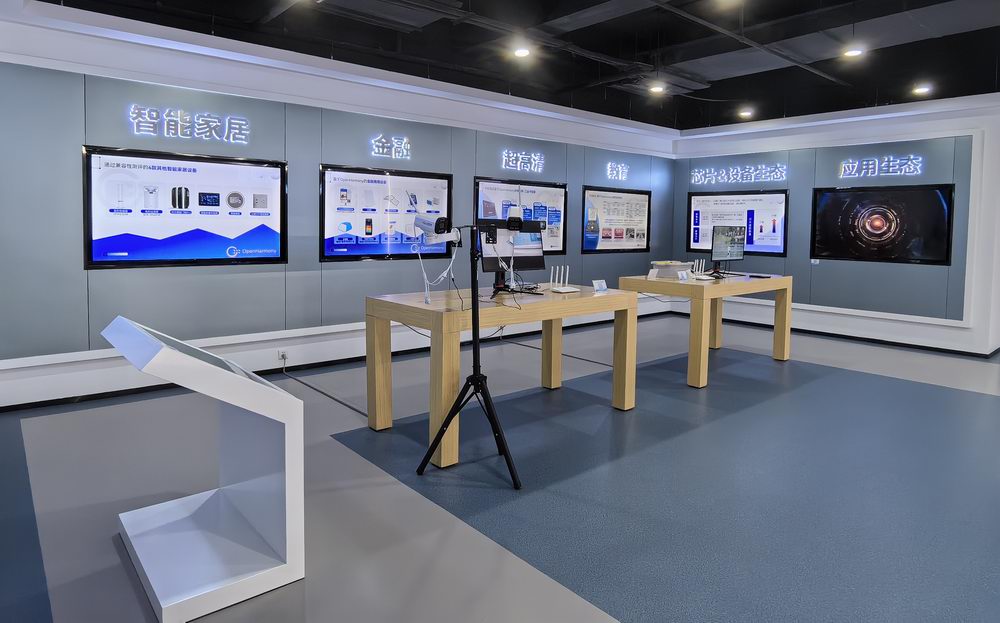
High-tech zones in China represent a pivotal shift in the country's development strategy. You will find these zones focusing on advanced technology and innovation rather than relying on land and natural resources. This approach has led to remarkable economic contributions. For instance, high-tech zones contributed about 13.4% of China's GDP in 2021 while using only 2.5% of the nation's construction land. The best high-tech zones in China, like the Zhongkai High-tech Zone, play a crucial role in fostering innovation and supporting enterprises. These zones have become hubs for over 115,000 high-tech companies, driving both national and global technological advancements.
Understanding High-tech and Traditional Zones
In China, the landscape of economic development is marked by the presence of both high-tech and traditional zones. Each type of zone plays a distinct role in the country's growth and transformation.
Defining High-tech Zones
High-tech zones are specialized areas designed to foster innovation and technological advancement. These zones focus on industries that rely heavily on research and development, such as electronics, biotechnology, and information technology.
Characteristics of High-tech Zones
High-tech zones exhibit several defining characteristics:
Innovation Hubs: These zones serve as centers for technological innovation, attracting both domestic and international talent.
Government Support: They benefit from special government incentives, which include tax breaks and funding for research projects.
Talent Concentration: High-tech zones concentrate a significant amount of science and technology talent, supporting the growth of small and medium-sized tech companies.
Economic Engines: They play a leading role in high-quality development and economic growth, contributing significantly to China's GDP.
Examples of the Best High-tech Zones in China
China boasts several exemplary high-tech zones that have become pivotal in its economic strategy:
Zhongkai High-tech Zone: Known for its supportive role in enterprise development, this zone is a national foreign trade transformation and upgrading base. It provides a cloud platform that assists companies in staying competitive and innovative.
Zhongguancun Science Park: Often referred to as China's Silicon Valley, it is a hub for tech startups and established companies alike.
Shenzhen High-tech Industrial Park: This zone is renowned for its rapid growth and contribution to the electronics industry.
These zones exemplify the best high-tech zones in China, driving both national and global technological advancements.
Defining Traditional Zones
Traditional zones, in contrast, focus on industries that are more reliant on land and natural resources. These zones typically include manufacturing, agriculture, and mining sectors.
Characteristics of Traditional Zones
Traditional zones have their own set of characteristics:
Resource Dependence: They rely heavily on natural resources and land for production.
Economic Stability: These zones provide economic stability and employment opportunities, especially in rural areas.
Limited Innovation: Compared to high-tech zones, traditional zones may not have the same level of technological advancement or innovation.
Examples of Traditional Zones in China
China's traditional zones continue to play a vital role in its economy:
Dongguan Manufacturing Zone: Known for its manufacturing prowess, particularly in textiles and electronics.
Shanxi Coal Mining Zone: A key area for coal production, contributing significantly to China's energy needs.
While traditional zones may not match the technological impact of high-tech zones, they remain crucial for economic stability and employment.
Economic Impact
Contributions of High-tech Zones
High-tech zones in China have become vital engines for economic growth. They contribute significantly to the country's GDP and employment landscape.
GDP Growth and Employment
You will find that high-tech zones have a remarkable impact on China's GDP. In 2021, these zones contributed 13.4% of the nation's GDP while utilizing just 2.5% of the country's construction land. This efficient use of resources highlights their importance in economic development. The GDP of high-tech development zones grew from 5.4 trillion yuan in 2012 to 15.3 trillion yuan in 2021. This growth reflects their role as economic powerhouses.
Employment opportunities also flourish in these zones. High-tech zones create jobs by attracting numerous tech companies and startups. They provide a conducive environment for innovation, which in turn generates employment for skilled workers. The presence of over 115,000 high-tech companies in these zones underscores their capacity to offer diverse job opportunities.
Innovation and Investment
Investment in high-tech industries has seen substantial growth. In recent years, investment in high-tech sectors increased by 10.6% annually. Specifically, high-tech manufacturing grew by 10.1%, while high-tech services saw an 11.7% increase. This surge in investment fuels innovation and technological advancements.
The Zhongkai High-tech Zone exemplifies this trend. It supports enterprises through its National Foreign Trade Transformation and Upgrading Base (Electronic Information) Cloud Platform. This platform assists companies in staying competitive and innovative, fostering a culture of continuous improvement and economic development.
Contributions of Traditional Zones
Traditional zones, while different in focus, remain crucial to China's economic stability and employment.
Economic Stability and Employment
Traditional zones provide a stable economic foundation. They rely on industries such as manufacturing, agriculture, and mining. These sectors offer consistent employment opportunities, especially in rural areas. For instance, the Dongguan Manufacturing Zone is renowned for its manufacturing prowess, particularly in textiles and electronics. Such zones ensure economic stability by maintaining a steady flow of goods and services.
Challenges in Traditional Industries
Despite their contributions, traditional zones face challenges. They often depend heavily on natural resources and land, which can limit their growth potential. Additionally, these zones may struggle to keep pace with technological advancements. The Shanxi Coal Mining Zone, for example, plays a key role in coal production but faces environmental and sustainability challenges.
Technological Advancements
Innovation in High-tech Zones
High-tech zones in China have become the epicenters of innovation. They drive technological advancements and economic growth. You will find these zones fostering an environment where creativity and technology thrive.
Role of Zhongkai High-tech Zone
The Zhongkai High-tech Zone stands out as a leader in innovation. It plays a crucial role in supporting enterprises through its National Foreign Trade Transformation and Upgrading Base (Electronic Information) Cloud Platform. This platform provides essential tools and resources for companies to remain competitive. It helps businesses adapt to the fast-paced technological landscape. By offering a supportive infrastructure, Zhongkai High-tech Zone enables enterprises to focus on innovation and growth.
Impact on National and Global Tech Landscape
High-tech zones like Zhongkai have a significant impact on both national and global technology landscapes. They attract talent and investment from around the world. These zones contribute to China's position as a global leader in technology. The number of high-tech companies in these zones has increased dramatically, from less than 20,000 in 2012 to over 115,000 today. This growth highlights their importance in driving technological progress. The research and development budget in these zones has also more than tripled in the last decade, surpassing the 1 trillion-yuan milestone in 2021. This investment fuels continuous innovation and positions China at the forefront of global technological advancements.
Technological Developments in Traditional Zones
While traditional zones may not match the rapid pace of high-tech zones, they still play a vital role in technological development. You will see these zones adapting to new technologies to remain relevant.
Adaptation to New Technologies
Traditional zones are gradually embracing new technologies. They integrate modern techniques into their existing frameworks. This adaptation helps them improve efficiency and productivity. For example, manufacturing zones incorporate automation and digital tools to enhance production processes. By adopting these technologies, traditional zones can maintain their competitiveness in a changing economic landscape.
Limitations and Opportunities
Despite their efforts, traditional zones face limitations. They often rely heavily on natural resources and land, which can restrict their growth potential. However, these zones also present opportunities for transformation. By embracing technology, they can overcome challenges and unlock new possibilities. The transition from traditional industries to high-tech sectors is a key focus of China's economic policy. This shift aims to upgrade traditional industries through the application of information technology. By doing so, traditional zones can contribute to China's broader strategy of economic innovation and technological advancement.
Social and Cultural Impacts
Urbanization and Lifestyle Changes
Changes in High-tech Zones
In high-tech zones, you witness rapid urbanization and lifestyle changes. These areas attract a diverse population, including skilled professionals and entrepreneurs. The influx of talent transforms these zones into vibrant communities. You find modern infrastructure, advanced public services, and a dynamic social environment. High-tech zones like Zhongkai High-tech Zone offer a unique blend of work and leisure. They provide amenities such as parks, shopping centers, and cultural venues. This environment fosters a balanced lifestyle, encouraging creativity and innovation.
Social Dynamics in Traditional Zones
Traditional zones, on the other hand, maintain a different social dynamic. These areas often rely on industries like manufacturing and agriculture. You see a strong sense of community and cultural heritage. People in traditional zones value stability and continuity. The social fabric here is closely knit, with families and communities playing a central role. While these zones may not experience the same rapid changes as high-tech areas, they offer a sense of belonging and cultural richness.
Cultural Shifts
Influence of Technology on Culture
Technology profoundly influences culture in high-tech zones. You observe a shift towards digital lifestyles and innovative thinking. High-tech zones serve as hubs for technological advancement and cultural exchange. They attract global talent and foster international collaboration. This environment encourages the blending of cultures and ideas. You see the emergence of new cultural expressions, driven by technology and innovation. High-tech zones play a crucial role in shaping modern culture and societal values.
Preservation of Traditional Practices
Despite the influence of technology, traditional zones strive to preserve cultural practices. You find a strong emphasis on maintaining heritage and customs. These areas celebrate traditional festivals, arts, and crafts. They serve as custodians of cultural identity, ensuring that traditions endure. While embracing modernity, traditional zones balance innovation with preservation. This approach allows them to adapt to change while honoring their cultural roots. You witness a harmonious coexistence of tradition and progress in these regions.
Challenges and Criticisms
Issues in High-tech Zones
Inequality and Displacement
In high-tech zones, you might notice a growing concern about inequality, and displacement. These zones attract a large influx of skilled professionals, which can lead to a disparity between the affluent newcomers and the existing residents. The rapid development often results in rising living costs, making it difficult for some locals to afford housing and basic amenities. You may see communities facing displacement as new infrastructure projects take precedence over existing neighborhoods. This shift can create social tensions and disrupt the lives of long-standing residents.
Environmental Concerns
High-tech zones, while centers of innovation, also face environmental challenges. The concentration of industries and increased urbanization can lead to pollution and resource depletion. You might observe that these zones, despite their focus on technology, struggle with waste management and energy consumption. The push for rapid development sometimes overlooks sustainable practices, leading to environmental degradation. Addressing these concerns requires a balance between technological advancement and ecological responsibility.
Issues in Traditional Zones
Economic Decline and Unemployment
Traditional zones often grapple with economic decline and unemployment. As high-tech industries gain prominence, traditional sectors like manufacturing and agriculture may experience reduced demand. You might find that these zones struggle to compete with the efficiency and innovation of high-tech areas. This shift can result in job losses and economic instability, particularly in regions heavily reliant on traditional industries. The challenge lies in finding ways to revitalize these zones and provide new opportunities for their workforce.
Environmental and Social Challenges
Traditional zones face their own set of environmental and social challenges. Industries in these areas often depend on natural resources, leading to issues like deforestation, soil degradation, and pollution. You may notice that these zones, while crucial for economic stability, sometimes lack the infrastructure to manage environmental impacts effectively. Socially, traditional zones might experience slower adaptation to modern lifestyles and technologies, creating a gap between them and more advanced regions. Bridging this gap requires innovative solutions that respect both the environment and the cultural heritage of these communities.
Future Outlook
Potential of High-tech Zones
Shaping China's Economic Future
You will see high-tech zones playing a pivotal role in shaping China's economic future. These zones focus on high-quality development and cutting-edge technologies. They act as the vanguard for China's transformation into a scientific and technological powerhouse. By fostering innovation, high-tech zones contribute significantly to the nation's economic growth. They attract small and medium-sized tech companies, which are key contributors to their success. These companies drive innovation and create jobs, boosting the local economy. As a result, high-tech zones become essential engines for China's economic advancement.
Role in Global Innovation
By supporting enterprises through platforms like the Zhongkai High-tech Zone National Foreign Trade Transformation and Upgrading Base (Electronic Information) Cloud Platform, these zones help companies stay competitive on a global scale.
Future of Traditional Zones
Opportunities for Transformation
Traditional zones in China face opportunities for transformation. They can embrace new technologies to enhance efficiency and productivity. By integrating modern techniques, traditional zones can overcome challenges and unlock new possibilities. You will see these zones gradually adapting to change, incorporating automation and digital tools into their existing frameworks. This adaptation helps them remain relevant in a rapidly evolving economic landscape. The transition from traditional industries to high-tech sectors is a key focus of China's economic policy. This shift aims to upgrade traditional industries through the application of information technology, providing new opportunities for growth and development.
Balancing Tradition and Innovation
Balancing tradition and innovation is crucial for the future of traditional zones. These areas must preserve their cultural heritage while embracing modernity. You will find that traditional zones strive to maintain their identity by celebrating traditional festivals, arts, and crafts. They serve as custodians of cultural practices, ensuring that traditions endure. At the same time, they adapt to new technologies and modern lifestyles. This balance allows traditional zones to coexist harmoniously with high-tech areas, contributing to China's broader strategy of economic innovation and technological advancement. By doing so, they play a vital role in shaping the country's future.
High-tech zones are crucial to China's future, driving economic growth and innovation. You see these zones, like the best high-tech zones, leading the way in technological advancement and economic transformation. The Zhongkai High-tech Zone exemplifies this potential. It supports enterprises through its National Foreign Trade Transformation and Upgrading Base (Electronic Information) Cloud Platform. This platform helps companies stay competitive and innovative. As a result, high-tech zones offer significant potential for shaping China's development trajectory. They focus on high quality, high standards, and new technologies, becoming the vanguard for high-quality development.
See Also
Zhongkai High-tech Zone: A Booming Tech Industry Hub
Zhongkai High-tech Zone: Top Industrial Hub for 2024
Zhongkai High-tech Zone: Discovering a Center for Innovation
Huizhou Zhongkai High-tech Zone: Pioneering Future Development
Zhongkai High tech Zone National foreign trade transformation and Upgradi Base(Electronic Information)Cloud Platform.
Address: Zhongkai High-tech Zone,Huizhou City ,Guangdong,China
E-mail: huizhoueii@163.com 13510001271@163.com
Tel: +86-0752-3279220 Mobile: +86-13510001271
