Impact of Modern Service Industry Development Zones on Economic Innovation

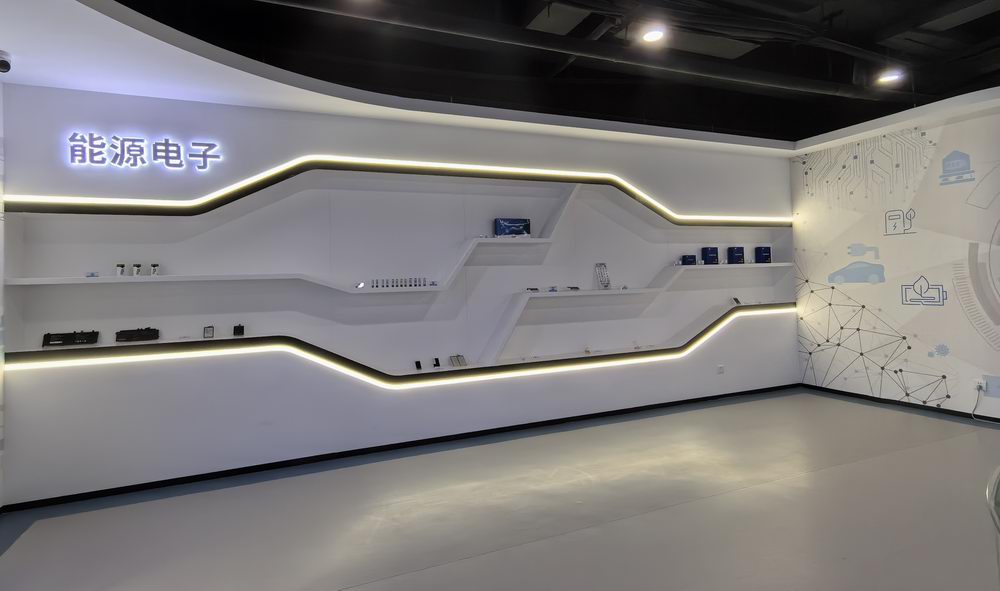
Modern service industry development demonstration zones play a crucial role in driving economic innovation. The Huizhou Zhongkai High-tech Zone exemplifies this impact by fostering enterprise growth and supporting businesses through its National Foreign Trade Transformation and Upgrading Base (Electronic Information) Cloud Platform. This platform aids enterprises in the Huizhou Zhongkai High-tech Zone, enhancing their development and competitiveness. These modern service industry development demonstration zones transform service industries by providing infrastructure and resources that encourage innovation and efficiency. The supportive environment in the Huizhou Zhongkai High-tech Zone demonstrates the potential of these zones to revolutionize the service sector.
Theoretical Framework and Hypotheses
Mechanisms of Innovation in Service Industry Zones
Modern service industry development demonstration zones serve as catalysts for innovation. They provide essential infrastructure and technological support that enable businesses to thrive. In these zones, enterprises benefit from advanced facilities and resources that enhance their operational capabilities. For instance, the Huizhou Zhongkai High-tech Zone offers a robust infrastructure that includes state-of-the-art transportation networks. These networks improve accessibility and connectivity, fostering an environment where innovation can flourish.
"Transportation infrastructure can foster innovation in service zones."
Moreover, the policy and regulatory environment within these zones plays a pivotal role in driving innovation. Policies designed to support businesses, such as financial incentives and streamlined regulations, create a conducive atmosphere for growth. The National Modern Agricultural Demonstration Zone policy, for example, has shown how policy guidance and financial support can significantly enhance innovation. Similarly, in service industry zones, supportive policies encourage enterprises to explore new technologies and business models.
Hypotheses on Economic Impact
Modern service industry development demonstration zones are hypothesized to have a profound economic impact. One key hypothesis is that these zones lead to increased productivity and efficiency. By providing businesses with cutting-edge infrastructure and technological support, these zones enable enterprises to optimize their operations. This results in higher productivity levels and more efficient processes.
Another hypothesis suggests that these zones attract investment and talent. The presence of a supportive environment, coupled with advanced infrastructure, makes these zones appealing to investors and skilled professionals. The value capture mechanisms in place, which derive revenue from land value uplift due to infrastructure projects, further enhance the attractiveness of these zones. As a result, businesses in these zones experience growth and development, contributing to the overall economic innovation.
Research Design and Methodology
Data Sources and Collection
Quantitative Data from Zhongkai High Tech Zone
Researchers gathered quantitative data from the Zhongkai High Tech Zone to understand its impact on economic innovation. They focused on metrics such as enterprise growth rates, investment levels, and productivity improvements. This data provided a clear picture of how the zone's infrastructure and resources contribute to business success. By analyzing these figures, researchers could identify trends and patterns that highlight the zone's role in fostering innovation.
Qualitative Insights from Industry Experts
In addition to quantitative data, qualitative insights from industry experts offered valuable perspectives. Conducting interviews with professionals in the field can greatly benefit one's understanding of the zone's impact. However, reaching out to these experts requires careful planning and execution. Drawing from years of consulting experience, researchers employed effective strategies to engage with these professionals. They asked targeted questions to uncover insights into the zone's influence on service industry innovation. These interviews revealed the challenges and opportunities faced by businesses operating within the zone.
Variables and Analytical Approach
Key Performance Indicators
To evaluate the effectiveness of the Zhongkai High Tech Zone, researchers identified key performance indicators (KPIs). These KPIs included metrics such as revenue growth, market expansion, and technological advancements. By tracking these indicators, researchers could assess the zone's contribution to economic innovation. The KPIs served as benchmarks for measuring the success of enterprises within the zone.
Statistical Tools and Techniques
Researchers employed various statistical tools and techniques to analyze the collected data. They used software programs to perform data analysis and generate meaningful insights. These tools helped identify correlations between the zone's infrastructure and business performance. By applying statistical methods, researchers could draw conclusions about the zone's impact on economic innovation. The analysis provided a comprehensive understanding of how the Zhongkai High Tech Zone supports enterprise development and enhances competitiveness.
Empirical Results
Findings from Zhongkai High Tech Zone
Impact on Local Enterprises
The Zhongkai High Tech Zone has significantly impacted local enterprises. Businesses in this zone have experienced remarkable growth due to the supportive infrastructure and resources available. The National Foreign Trade Transformation and Upgrading Base (Electronic Information) Cloud Platform plays a crucial role in this development. It provides enterprises with essential tools and services that enhance their competitiveness. Companies benefit from advanced technological support, which allows them to innovate and improve their operations. This environment fosters a culture of continuous improvement and adaptation, leading to increased productivity and efficiency.
Contribution to Regional Economic Growth
The Zhongkai High Tech Zone contributes substantially to regional economic growth. By attracting investment and talent, the zone stimulates economic activity and development. The presence of a robust infrastructure and a conducive business environment makes it an attractive destination for investors and skilled professionals. This influx of resources and expertise drives innovation and economic expansion. The zone's success in fostering enterprise growth translates into broader economic benefits for the region, including job creation and increased economic output.
Comparative Analysis with Other Zones
Success Stories and Best Practices
Comparing the Zhongkai High Tech Zone with other innovation districts reveals several success stories and best practices. Unlike National Modern Agricultural Demonstration Zones, which focus on agricultural innovation through policy and financial support, innovation districts like Zhongkai emphasize attracting talent and providing a vibrant environment for employees. The zone's emphasis on convenience, leisure, and social uses for employees enhances its appeal. This approach not only attracts top talent but also retains it, contributing to the zone's overall success.
Innovation Districts: Focus on attracting and retaining talent.
National Modern Agricultural Demonstration Zones: Enhance agricultural innovation through policy and financial support.
Challenges and Areas for Improvement
Despite its successes, the Zhongkai High Tech Zone faces challenges and areas for improvement. One challenge is maintaining the balance between rapid development and sustainable growth. As the zone continues to expand, ensuring that infrastructure keeps pace with demand is crucial. Additionally, fostering collaboration among enterprises can further enhance innovation. Encouraging networking and partnerships between businesses can lead to shared knowledge and resources, driving further advancements in service industry technologies and practices. Addressing these challenges will ensure the zone's continued contribution to economic innovation.
Discussion
Interpretation of Results
Implications for Policy and Practice
The findings from the Zhongkai High Tech Zone highlight several implications for policy and practice. Policymakers should recognize the importance of creating environments that foster innovation. Leonard Kleinman, an Innovation Director, emphasizes that innovation must be a companywide commitment. This commitment requires policies that encourage risk-taking and reward innovative efforts. The supportive infrastructure and resources in the Zhongkai High Tech Zone serve as a model for other regions aiming to boost economic innovation.
"Innovation needs to be articulated as a companywide commitment." - Leonard Kleinman
Lessons Learned for Future Development
The success of the Zhongkai High Tech Zone offers valuable lessons for future development. Yinglian Xie, a CEO, notes that innovation is a risky endeavor requiring persistence and investment. The zone's ability to attract investment and talent demonstrates the importance of creating an appealing environment for businesses. Future development should focus on maintaining a balance between rapid growth and sustainable practices. Encouraging collaboration among enterprises can further enhance innovation and drive economic growth.
"Ongoing innovation requires persistence as well as investments in time and resources." - Yinglian Xie
Addressing Challenges
Overcoming Barriers to Innovation
Overcoming barriers to innovation remains a critical challenge. Trisha Price, VP of Engineering, points out that innovation requires diverse teams with varied perspectives. Organizations should avoid narrow views when assembling teams and embrace diverse backgrounds. Ernie Bray, a CEO, suggests that clients often resist change due to a lack of confidence. Building confidence through quick wins can help overcome resistance and pave the way for larger transformations.
"A barrier to finding that team is having a narrow view of who should be on it." - Trisha Price
Enhancing Collaboration and Networking
Enhancing collaboration and networking is essential for driving innovation. Jeff Wong, a Tech Leader, stresses the importance of diverse voices and opinions. Leaders should focus on elevating different skillsets within their organizations to foster innovation. The Zhongkai High Tech Zone can serve as a platform for collaboration, where businesses share knowledge and resources. Encouraging partnerships and networking can lead to advancements in service industry technologies and practices.
"Diverse voices and opinions are essential for business success." - Jeff Wong
By addressing these challenges and leveraging the insights gained from the Zhongkai High Tech Zone, regions can create environments that support economic innovation and enterprise growth.
Modern service industry development zones significantly boost economic innovation. They provide essential infrastructure and resources that drive enterprise growth. The Zhongkai High Tech Zone exemplifies this impact. It supports businesses through its National Foreign Trade Transformation and Upgrading Base (Electronic Information) Cloud Platform. This platform enhances enterprise competitiveness and development.
"Innovation is the ability to see change as an opportunity – not a threat." - Steve Jobs
To further enhance economic innovation, policymakers should focus on creating supportive environments. They can draw inspiration from historical advancements, such as the Neolithic Revolution, which spurred technological innovation. Future directions should prioritize sustainable growth and collaboration among enterprises.
See Also
Zhongkai High-tech Zone: A Model for Industrial Growth
Zhongkai High-tech Zone: Revolutionizing Trade Dynamics
Huizhou Zhongkai High-tech Zone: Fueling Economic Expansion
Huizhou's High-tech Zone: Driving Industrial Advancement
Zhongkai High-tech Zone: Sparking Innovation and Development

Zhongkai High tech Zone National foreign trade transformation and Upgradi Base(Electronic Information)Cloud Platform.
Address: Zhongkai High-tech Zone,Huizhou City ,Guangdong,China
E-mail: huizhoueii@163.com 13510001271@163.com
Tel: +86-0752-3279220 Mobile: +86-13510001271
