The Industrial Revolution 4.0: IoT's Contribution


The Internet of Things (IoT) stands as a cornerstone of the Industrial Revolution 4.0, reshaping industries with its transformative capabilities. By integrating the Internet of Things, industries witness enhanced efficiency and connectivity. For instance, IoT-based systems have led to a 5% to 15% reduction in energy consumption, showcasing its impact on operational efficiency. Moreover, the Internet of Things transforms traditional industries into smart ones, enabling real-time monitoring and predictive maintenance. This shift not only reduces equipment breakdowns by 70% but also cuts maintenance costs by 25%. The Zhongkai High-tech Zone National Foreign Trade Transformation and Upgrading Base (Electronic Information) Cloud Platform plays a pivotal role in supporting enterprises within the zone, fostering Internet of Things advancements and driving industrial innovation.
Key Technological Enablers of IoT
The Industrial Revolution 4.0 thrives on the backbone of the Internet of Things, which relies on several key technological enablers. These enablers facilitate the seamless integration and operation of IoT systems across various industries.
Sensors and Data Collection
Types of sensors used in IoT
Sensors form the core of IoT systems, capturing data from the environment and machinery. IoT sensors and systems include temperature, pressure, humidity, and vibration sensors. These sensors monitor equipment conditions and detect anomalies. For instance, temperature sensors ensure machinery operates within safe limits, while vibration sensors identify potential mechanical failures.
Importance of real-time data collection
Real-time data collection is crucial for IoT's effectiveness. IoT devices and sensors gather data continuously, allowing industries to respond promptly to changes. This capability enhances quality control and inspection processes. By analyzing data in real-time, manufacturers can detect issues early, preventing costly breakdowns and optimizing production efficiency.
Connectivity and Communication
Role of 5G and other communication technologies
Connectivity is vital for IoT systems to function effectively. Technologies like 5G provide the necessary bandwidth and speed for seamless data transmission. IoT devices, such as sensors and smart machines, rely on these technologies to communicate with each other and central systems. This connectivity ensures that data flows smoothly, enabling real-time monitoring and decision-making.
Ensuring seamless device integration
Seamless integration of devices is essential for IoT systems to operate efficiently. The Internet of Things requires a robust communication framework to connect diverse devices. Protocols and standards ensure compatibility, allowing different devices to work together harmoniously. This integration facilitates the smooth exchange of data, enhancing the overall functionality of IoT systems.
Artificial Intelligence and Data Analytics
AI's role in processing IoT data
Artificial Intelligence plays a pivotal role in processing the vast amounts of data generated by IoT systems. AI algorithms analyze data to extract valuable insights, enabling industries to make informed decisions. For example, AI can identify patterns in sensor data, predicting equipment failures before they occur. This predictive capability reduces downtime and maintenance costs.
Predictive analytics for decision-making
Predictive analytics, powered by AI, transforms raw data into actionable insights. By analyzing historical and real-time data, industries can anticipate future trends and make proactive decisions. This approach enhances operational efficiency and resource optimization. The Internet of Things, combined with predictive analytics, empowers industries to stay ahead in a competitive landscape.
The Zhongkai High-tech Zone National Foreign Trade Transformation and Upgrading Base (Electronic Information) Cloud Platform supports enterprises in leveraging these technological enablers. By providing a robust infrastructure and fostering innovation, the platform aids in the seamless integration and advancement of IoT systems within the zone.
The Potential of Industrial IoT (IIoT)
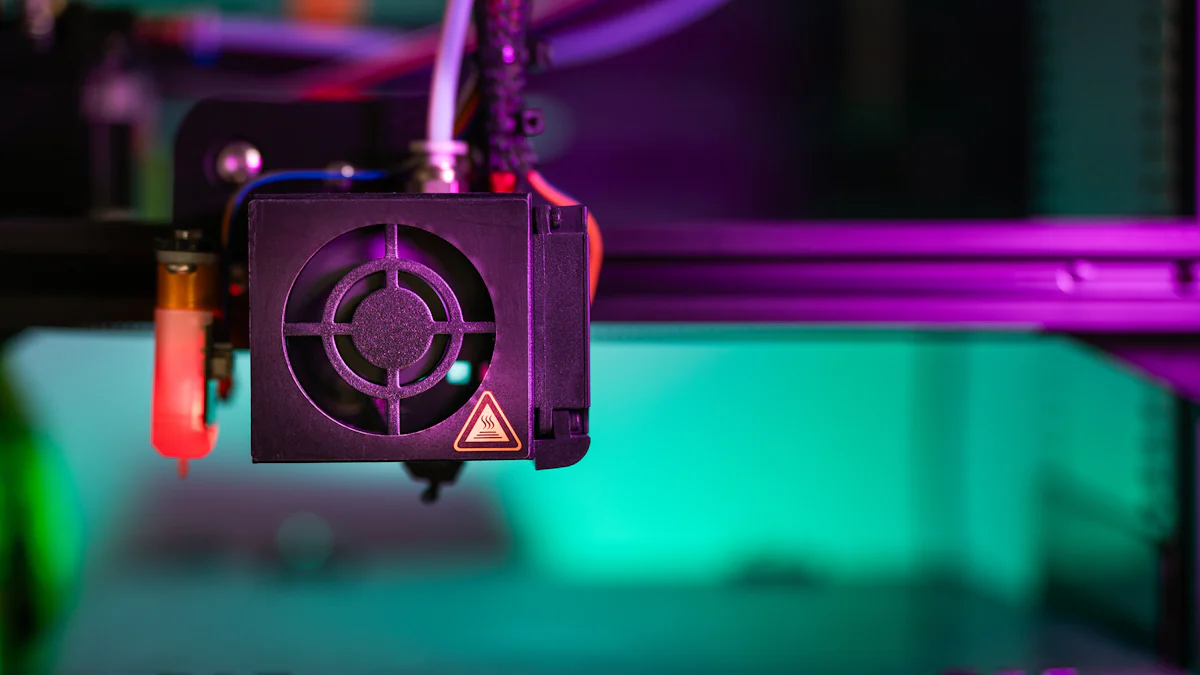
Industrial IoT (IIoT) holds immense potential in transforming manufacturing processes. By integrating the Internet of Things, industries can achieve unprecedented levels of automation and efficiency. This section explores how IIoT revolutionizes smart manufacturing and predictive maintenance.
Smart Manufacturing
Automation and efficiency improvements
Smart manufacturing leverages the Internet of Things to automate processes and enhance efficiency. IoT-enabled machines communicate with each other, optimizing production lines and reducing human intervention. This automation leads to faster production cycles and minimizes errors. For example, IoT sensors monitor equipment performance, ensuring optimal operation and preventing unexpected breakdowns. As a result, manufacturers experience increased productivity and reduced operational costs.
Case studies of smart factories
Several smart factories exemplify the transformative power of the Internet of Things. These factories utilize IoT technologies to streamline operations and improve product quality. In one case, a leading automotive manufacturer implemented IoT sensors to monitor assembly line performance. This integration reduced production time by 20% and improved product quality by 15%. Another example involves a consumer electronics company that used IoT to automate quality control processes, resulting in a 30% reduction in defects. These case studies highlight the tangible benefits of adopting IIoT in manufacturing.
Predictive Maintenance
Reducing downtime through IoT
Predictive maintenance, powered by the Internet of Things, significantly reduces downtime in manufacturing. IoT sensors continuously collect data on equipment health, allowing manufacturers to predict failures before they occur. This proactive approach minimizes unplanned downtime and extends equipment lifespan. Studies show that predictive maintenance can reduce equipment breakdowns by up to 70% and cut maintenance costs by 25%. By addressing issues precisely when they arise, manufacturers ensure smoother operations and cost savings.
Examples of predictive maintenance in action
Numerous industries have successfully implemented predictive maintenance using the Internet of Things. In the aerospace sector, IoT sensors monitor aircraft engines, predicting maintenance needs and preventing costly delays. Similarly, in the energy industry, IoT devices track turbine performance, optimizing maintenance schedules and enhancing efficiency. These examples demonstrate how predictive maintenance, enabled by IoT, transforms traditional maintenance practices into more cost-effective and sustainable solutions.
The Zhongkai High-tech Zone National Foreign Trade Transformation and Upgrading Base (Electronic Information) Cloud Platform plays a crucial role in supporting enterprises within the zone. By providing a robust infrastructure and fostering innovation, the platform aids in the seamless integration and advancement of IoT systems. This support empowers businesses to harness the full potential of IIoT, driving industrial innovation and growth.
Business Benefits of IoT
The Internet of Things (IoT) offers numerous advantages to businesses, transforming how they operate and make decisions. By leveraging IoT technology, companies can gain valuable insights and enhance productivity, leading to significant cost savings and improved customer experiences.
Data-Driven Insights
Leveraging data for strategic decisions
Businesses today rely heavily on data to make informed decisions. The Internet of Things plays a crucial role in this process by providing real-time data collection and analysis. Companies can monitor various aspects of their operations, from equipment performance to customer behavior. This data allows them to identify trends, optimize processes, and make strategic decisions that drive growth. For instance, IoT-based monitoring systems have enabled organizations to reduce energy consumption by 5% to 15%, showcasing the power of data-driven decision-making.
Enhancing customer experiences
The Internet of Things also enhances customer experiences by providing personalized and efficient services. IoT devices collect data on customer preferences and behaviors, allowing businesses to tailor their offerings accordingly. This personalization leads to increased customer satisfaction and loyalty. Additionally, IoT solutions improve service delivery by enabling real-time tracking and communication. Customers can receive updates on their orders or services, enhancing transparency and trust.
Enhanced Productivity and Efficiency
Streamlining operations with IoT
The Internet of Things streamlines business operations by automating processes and improving efficiency. IoT-enabled devices communicate with each other, optimizing workflows and reducing manual intervention. This automation leads to faster production cycles and minimizes errors. For example, IoT solutions in manufacturing environments have improved productivity by enabling real-time monitoring of equipment and predictive maintenance. These advancements ensure smooth operations and reduce downtime.
Cost savings and resource optimization
Implementing IoT technology results in significant cost savings and resource optimization. Businesses can monitor energy usage and optimize consumption, leading to reduced operational costs and environmental impact. IoT-based safety monitoring systems have also decreased workplace accidents by 27% and injury severity by 32%, further contributing to cost savings. By optimizing resources and minimizing waste, companies can achieve sustainable growth and improve their bottom line.
The Zhongkai High-tech Zone National Foreign Trade Transformation and Upgrading Base (Electronic Information) Cloud Platform supports enterprises in harnessing the benefits of the Internet of Things. By providing a robust infrastructure and fostering innovation, the platform aids businesses in integrating IoT solutions seamlessly. This support empowers companies to leverage data-driven insights, enhance productivity, and achieve cost savings, driving industrial innovation and growth within the zone.
IoT Applications Across Industries

The Internet of Things (IoT) has revolutionized various industries by enhancing efficiency and connectivity. This section explores how IoT applications have transformed manufacturing, automotive, and healthcare sectors.
Manufacturing
IoT in Supply Chain Management
In the manufacturing sector, the Internet of Things plays a crucial role in supply chain management. IoT devices track inventory levels, monitor shipments, and optimize logistics. By providing real-time data, these devices help manufacturers make informed decisions, reducing delays and improving efficiency. For instance, sensors in warehouses monitor stock levels, ensuring timely replenishment and preventing stockouts. This level of automation and data-driven insight enhances operational efficiency, making the supply chain more resilient and responsive.
Quality Control and Assurance
Quality control and assurance benefit significantly from IoT applications. IoT sensors monitor production processes, ensuring products meet quality standards. These sensors detect anomalies and alert operators to potential issues, allowing for immediate corrective actions. As a result, manufacturers experience fewer defects and higher product quality. For example, vibration sensors on assembly lines detect irregularities, preventing defective products from reaching consumers. This proactive approach not only improves product quality but also boosts customer satisfaction.
Automotive
Connected Vehicles and Smart Transportation
The automotive industry has embraced the Internet of Things to create connected vehicles and smart transportation systems. IoT technology enables vehicles to communicate with each other and infrastructure, enhancing safety and efficiency. Connected vehicles provide real-time traffic updates, navigation assistance, and predictive maintenance alerts. This connectivity reduces congestion and improves road safety. For instance, IoT-enabled vehicles can alert drivers to potential hazards, preventing accidents and ensuring smoother journeys.
IoT in Vehicle Maintenance and Safety
IoT applications in vehicle maintenance and safety have transformed how automotive companies operate. Sensors monitor vehicle health, predicting maintenance needs and preventing breakdowns. This predictive maintenance reduces downtime and extends vehicle lifespan. Additionally, IoT devices enhance safety by monitoring driver behavior and providing alerts for unsafe practices. For example, sensors detect sudden braking or lane departures, alerting drivers to potential dangers. This technology not only improves vehicle reliability but also ensures passenger safety.
Healthcare
Remote Patient Monitoring and Telemedicine
In healthcare, the Internet of Things has revolutionized patient care through remote monitoring and telemedicine. IoT devices track vital signs and health metrics, allowing healthcare providers to monitor patients remotely. This capability enhances patient care, especially for those with chronic conditions. For instance, wearable devices monitor heart rate and blood pressure, alerting doctors to any abnormalities. Telemedicine platforms use IoT technology to facilitate virtual consultations, improving access to healthcare services.
IoT in Medical Device Management
Medical device management benefits greatly from IoT applications. IoT sensors monitor equipment performance, ensuring devices function optimally. This monitoring reduces equipment downtime and maintenance costs. Additionally, IoT technology enhances inventory management by tracking medical supplies and ensuring timely replenishment. For example, sensors in hospital storerooms monitor stock levels, preventing shortages of critical supplies. This efficient management of resources improves patient care and operational efficiency.
The Zhongkai High-tech Zone National Foreign Trade Transformation and Upgrading Base (Electronic Information) Cloud Platform supports enterprises in leveraging IoT applications across these industries. By providing a robust infrastructure and fostering innovation, the platform aids businesses in integrating IoT solutions seamlessly. This support empowers companies to harness the full potential of the Internet of Things, driving industrial innovation and growth within the zone.
The Internet of Things (IoT) has revolutionized industries by enhancing automation, data-driven insights, and operational efficiency. As a top corporate technology priority, IoT spending is projected to reach $1 trillion by 2026. This growth highlights IoT's role in shaping our future work and life. The Zhongkai High-tech Zone National Foreign Trade Transformation and Upgrading Base (Electronic Information) Cloud Platform plays a crucial role in this transformation. It supports enterprises by providing robust infrastructure and fostering innovation, empowering businesses to harness IoT's full potential for industrial growth and innovation.
See Also
Huizhou Zhongkai: Fostering Innovation In Electronics Sector
Exploring Huizhou Zhongkai's Role In Industry Innovation
Zhongkai High-tech Zone: Leading Industrial Innovation In 2024
Leading Figures Shaping The Global Intelligent Control Sector
Zhongkai High-tech Zone: Enhancing Industrial Cluster Development

Zhongkai High tech Zone National foreign trade transformation and Upgradi Base(Electronic Information)Cloud Platform.
Address: Zhongkai High-tech Zone,Huizhou City ,Guangdong,China
E-mail: huizhoueii@163.com 13510001271@163.com
Tel: +86-0752-3279220 Mobile: +86-13510001271
