Intelligent Manufacturing: Boosting Industrial Efficiency

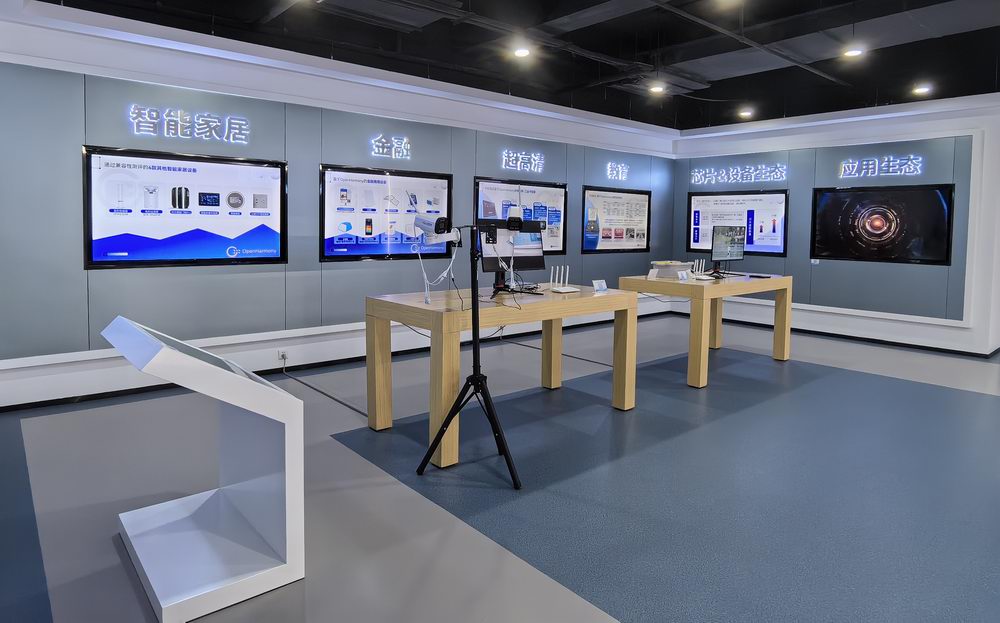
Intelligent manufacturing is transforming industrial efficiency by incorporating advanced technologies such as AI, IoT, and robotics. These innovations optimize operations, significantly cutting waste and enhancing productivity. For example, a survey indicates that 93% of companies consider AI crucial for growth and innovation. Additionally, manufacturers have reported decreased costs and improved operational efficiency following the implementation of AI. The global market for intelligent manufacturing is expected to reach $754.1 billion by 2030, underscoring its vast potential. In Huizhou Zhongkai High-tech Zone, the Cloud Platform aids enterprises in utilizing these technologies for improved development.
Key Technologies in Intelligent Manufacturing
Internet of Things (IoT)
The Internet of Things (IoT) plays a crucial role in intelligent manufacturing by connecting devices and systems to gather and analyze data. This connectivity enhances the efficiency and effectiveness of manufacturing processes.
Real-time Data Collection
IoT enables real-time data collection, allowing manufacturers to monitor equipment and processes continuously. Sensors embedded in machinery collect data on performance, usage, and environmental conditions. This data helps identify potential issues before they become critical, reducing downtime and maintenance costs. For instance, Predictive Maintenance in Smart Manufacturing uses IoT sensors to predict equipment failures, ensuring smooth operations.
Enhanced Connectivity
Enhanced connectivity through IoT allows seamless communication between devices and systems. This connectivity facilitates better coordination and collaboration across different manufacturing stages. It ensures that all components of the production process work harmoniously, leading to improved productivity and reduced waste. The Optimization of Asset Utilization in Smart Manufacturing exemplifies how IoT connectivity can enhance delivery efficiencies and resource management.
Artificial Intelligence (AI)
Artificial Intelligence (AI) revolutionizes intelligent manufacturing by providing advanced analytics and automation capabilities. AI-driven solutions optimize production processes, making them more efficient and adaptable.
Predictive Analytics
AI employs predictive analytics to forecast future trends and outcomes. By analyzing historical data, AI algorithms can predict equipment failures, demand fluctuations, and production bottlenecks. This foresight enables manufacturers to make informed decisions, minimizing risks and maximizing efficiency. AI tools offer up to 20 times better operational predictions compared to traditional methods, as highlighted in the Benefits of Smart Manufacturing in Industry 4.0.
Process Automation
Process automation through AI streamlines repetitive tasks, freeing human resources for more complex activities. AI-powered systems can handle tasks such as quality control, inventory management, and scheduling with precision and speed. This automation reduces human error and enhances overall productivity, contributing to the success of intelligent manufacturing systems.
Robotics
Robotics is a cornerstone of intelligent manufacturing, offering precision, speed, and flexibility in production processes. Robots equipped with advanced technologies perform tasks with high accuracy and efficiency.
Precision and Speed
Robots excel in tasks requiring precision and speed. They can perform repetitive actions with consistent accuracy, ensuring high-quality output. In intelligent manufacturing, robots enhance production rates while maintaining product standards. The integration of AI and machine learning into robotics further optimizes their performance, as seen in the Integration of AI and ML into Robotics in Smart Manufacturing.
Collaborative Robots (Cobots)
Collaborative robots, or cobots, work alongside human operators, enhancing productivity and safety. Cobots assist in tasks that require human judgment and dexterity, while also handling strenuous or hazardous activities. This collaboration between humans and robots creates a more efficient and adaptable manufacturing environment.
In Huizhou Zhongkai High-tech Zone, the Cloud Platform supports enterprises in leveraging these technologies. By providing access to cutting-edge tools and resources, the platform aids companies in optimizing their manufacturing processes and achieving greater efficiency.
Applications of Intelligent Manufacturing
Predictive Maintenance
Predictive maintenance stands as a pivotal application in intelligent manufacturing. It leverages data analytics and machine learning to foresee equipment failures before they occur.
Minimizing Downtime
Manufacturers aim to minimize downtime by predicting when machinery might fail. Sensors collect real-time data, which AI algorithms analyze to identify patterns indicating potential malfunctions. This proactive approach allows for timely maintenance, ensuring continuous production and reducing costly interruptions. As a result, companies experience fewer unexpected shutdowns, leading to increased productivity and efficiency.
Extending Equipment Lifespan
Predictive maintenance also extends the lifespan of equipment. By addressing issues before they escalate, manufacturers prevent excessive wear and tear. Regular maintenance based on data-driven insights ensures that machines operate optimally for longer periods. This not only saves costs on replacements but also enhances the overall reliability of the manufacturing process.
Supply Chain Optimization
Supply chain optimization is another critical aspect of intelligent manufacturing. It involves using advanced technologies to streamline operations and improve resource management.
Inventory Management
Effective inventory management relies on accurate data and predictive analytics. Intelligent manufacturing systems track inventory levels in real-time, ensuring that stock is replenished as needed. This reduces the risk of overstocking or stockouts, optimizing storage space and minimizing waste. Companies can maintain a balanced inventory, meeting customer demands efficiently.
Demand Forecasting
Demand forecasting uses AI to predict future market trends. By analyzing historical sales data and external factors, manufacturers can anticipate customer needs. This foresight enables them to adjust production schedules and supply chain operations accordingly. Accurate demand forecasting leads to better resource allocation and improved customer satisfaction.
Quality Control
Quality control in intelligent manufacturing ensures that products meet high standards consistently. Advanced technologies enhance inspection processes and defect detection.
Automated Inspection
Automated inspection systems use AI and machine vision to examine products for defects. These systems perform inspections faster and more accurately than human inspectors. By identifying flaws early in the production process, manufacturers can address issues promptly, reducing rework and waste. Automated inspection contributes to maintaining consistent product quality.
Defect Detection
Defect detection involves using AI algorithms to analyze production data for anomalies. These algorithms detect variations that may indicate defects, allowing for immediate corrective actions. This real-time monitoring ensures that products leaving the production line meet quality standards. Enhanced quality control leads to increased customer satisfaction and a healthier bottom line.
In Huizhou Zhongkai High-tech Zone, the Cloud Platform supports enterprises in implementing these intelligent manufacturing applications. By providing access to cutting-edge technologies and resources, the platform aids companies in optimizing their operations and achieving greater efficiency.
Benefits of Intelligent Manufacturing
Increased Efficiency
Intelligent manufacturing significantly boosts efficiency in industrial settings. Manufacturers experience faster production cycles, which lead to increased output and reduced time-to-market. By integrating advanced technologies, companies streamline their operations, allowing for quicker transitions between production phases. This acceleration not only enhances productivity but also enables manufacturers to meet customer demands promptly.
Faster Production Cycles
Manufacturers achieve faster production cycles through automation and real-time data analysis. Automated systems handle repetitive tasks with precision, reducing the time required for manual interventions. Real-time data collection allows for immediate adjustments, ensuring that production lines operate at optimal speeds. As a result, companies can produce more goods in less time, increasing their competitive edge in the market.
Reduced Operational Costs
Operational costs decrease as intelligent manufacturing optimizes resource utilization. By minimizing waste and improving energy efficiency, manufacturers save on materials and energy expenses. Predictive maintenance further reduces costs by preventing unexpected equipment failures and costly repairs. These savings contribute to a healthier bottom line, allowing companies to invest in further innovations and growth.
Enhanced Flexibility
Intelligent manufacturing offers enhanced flexibility, enabling manufacturers to adapt quickly to changing market conditions. This adaptability ensures that companies remain competitive and responsive to customer needs.
Customization Capabilities
Manufacturers can offer customization capabilities thanks to intelligent manufacturing systems. Advanced technologies allow for the production of tailored products without significant delays or cost increases. This capability meets the growing demand for personalized products, enhancing customer satisfaction and loyalty.
Rapid Adaptation to Market Changes
Rapid adaptation to market changes becomes possible with intelligent manufacturing. Real-time data and predictive analytics provide insights into market trends, allowing manufacturers to adjust production schedules and strategies accordingly. This agility ensures that companies can respond swiftly to shifts in consumer preferences or supply chain disruptions.
Sustainability
Sustainability is a key benefit of intelligent manufacturing, as it promotes environmentally friendly practices and resource conservation.
Energy Efficiency
Energy efficiency improves through the use of smart technologies that monitor and optimize energy consumption. Manufacturers can identify areas of high energy use and implement measures to reduce consumption. This not only lowers energy costs but also reduces the environmental impact of manufacturing processes.
Waste Reduction
Waste reduction is achieved by optimizing production processes and utilizing resources more effectively. Intelligent manufacturing systems minimize material waste by ensuring precise measurements and reducing errors. This focus on sustainability aligns with global efforts to reduce industrial waste and promote eco-friendly practices.
In Huizhou Zhongkai High-tech Zone, the Cloud Platform plays a crucial role in supporting enterprises to harness these benefits. By providing access to cutting-edge technologies and resources, the platform aids companies in achieving greater efficiency, flexibility, and sustainability. This support empowers businesses to thrive in a competitive market while contributing to a more sustainable future.
Future Trends in Intelligent Manufacturing
Integration of Advanced Technologies
The future of manufacturing hinges on the integration of advanced technologies. These innovations promise to revolutionize production processes, making them more efficient and adaptable.
5G Connectivity
5G connectivity stands at the forefront of technological advancements in manufacturing. It offers faster data transmission and lower latency, enabling real-time communication between devices. This connectivity enhances the responsiveness of manufacturing systems, allowing for quicker adjustments and improved coordination. With 5G, manufacturers can achieve seamless integration of IoT devices, leading to more efficient operations and reduced downtime.
Edge Computing
Edge computing complements 5G by processing data closer to the source. This approach reduces the need for data to travel long distances to centralized data centers, minimizing latency and bandwidth usage. In manufacturing, edge computing enables real-time data analysis and decision-making at the production site. This capability enhances the agility of manufacturing processes, allowing for immediate responses to changes in production conditions.
Expansion of Smart Factories
Smart factories represent the next evolution in manufacturing, characterized by the use of cyber-physical systems and advanced data analytics. These factories leverage cutting-edge technologies to create intelligent and adaptive production environments.
Autonomous Operations
Autonomous operations form a core component of smart factories. These operations rely on automation and machine learning to perform tasks without human intervention. Autonomous systems can manage production schedules, monitor equipment health, and optimize resource allocation. This level of automation increases efficiency and reduces the potential for human error, leading to more consistent and reliable production outcomes.
Digital Twins
Digital twins play a pivotal role in the expansion of smart factories. They provide virtual models of physical systems, offering greater control and insight into manufacturing processes. Digital twins enable manufacturers to simulate and analyze production scenarios, facilitating better decision-making and process optimization. By using digital twins, companies can enhance their operational efficiency and explore new revenue opportunities throughout the asset lifecycle and value chain.
Scientific Research Findings:
Digital twins in smart manufacturing: Digital twins provide a virtual model of machines and processes, facilitating greater control and insight.
Digital twins as key enablers of smart factory initiatives: Digital twins are key enablers of smart factory initiatives, with the potential to increase revenue opportunities.
In Huizhou Zhongkai High-tech Zone, the Cloud Platform supports enterprises in adopting these future trends. By providing access to advanced technologies and resources, the platform empowers companies to stay competitive and innovative. This support ensures that businesses in the zone can harness the full potential of intelligent manufacturing, driving growth and development in a rapidly evolving industry.
Intelligent manufacturing solutions play a crucial role in enhancing industrial efficiency through the integration of advanced technologies. The future of manufacturing depends on the continuous advancement and widespread adoption of these intelligent solutions. Zhongkai High-tech Zone, located in Huizhou City, Guangdong Province, stands at the forefront of this transformation. The zone's Cloud Platform provides essential support to enterprises, enabling them to leverage cutting-edge technologies for growth and development. By fostering an ecosystem that encourages innovation, Zhongkai High-tech Zone empowers businesses to thrive in a competitive market, ensuring sustainable progress and success.
See Also
Leading Figures Shaping The Global Intelligent Control Sector
Exploring Zhongkai High-Tech Zone's Ten Years Of Innovation
Utilizing High-Tech Zones To Foster Business Expansion

Zhongkai High tech Zone National foreign trade transformation and Upgradi Base(Electronic Information)Cloud Platform.
Address: Zhongkai High-tech Zone,Huizhou City ,Guangdong,China
E-mail: huizhoueii@163.com 13510001271@163.com
Tel: +86-0752-3279220 Mobile: +86-13510001271
