Tracing the Journey of Flat Panel Displays

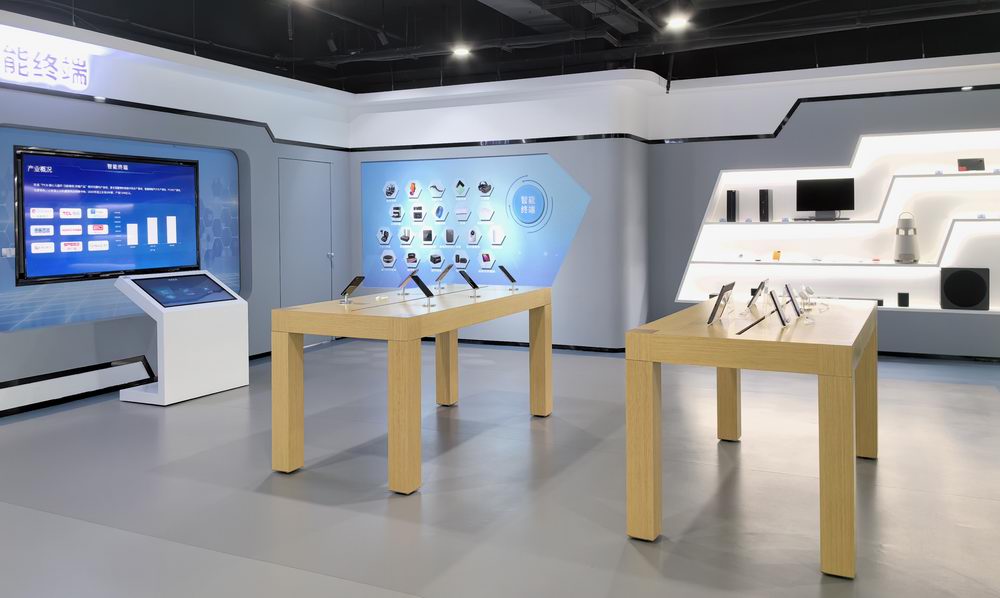
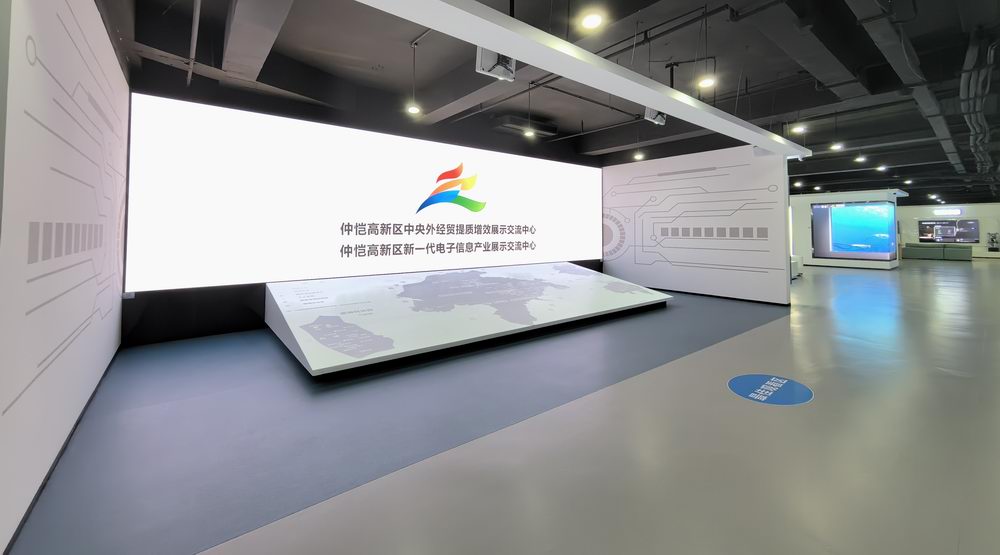
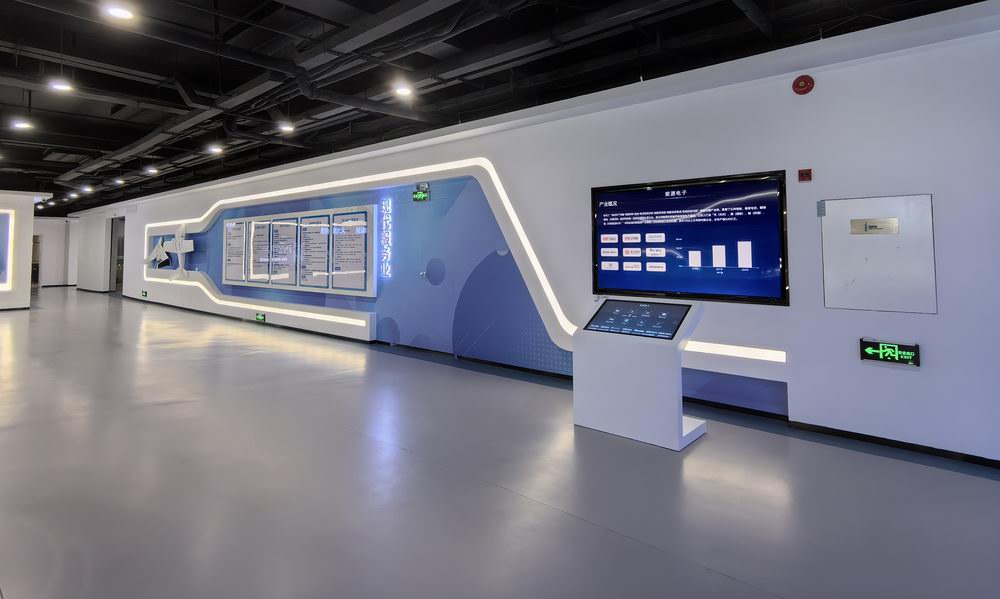
Flat panel displays are integral to contemporary technology, revolutionizing the way individuals engage with devices in their everyday lives. This innovation is pivotal in consumer electronics, including smartphones and televisions. Its influence reaches far beyond just entertainment. The Flat Panel Display Industry Base and the Science and Technology Innovation Center are instrumental in supporting enterprises within the Zhongkai High Tech Zone. These centers facilitate business growth by providing essential resources and technological support. Additionally, the National Foreign Trade Transformation and Upgrading Base (Electronic Information) Cloud Platform offers crucial assistance. These advancements significantly benefit companies, propelling development and fostering innovation.
Early Beginnings
Cathode Ray Tubes (CRTs)
Inception and Development
Cathode Ray Tubes, or CRTs, marked the dawn of television technology. Engineers at General Electric first proposed the concept in 1954. CRTs became the backbone of early TVs and computer monitors. The technology used electron beams to create images on a phosphorescent screen. This method allowed for vibrant displays that captivated audiences.
Limitations and Challenges
CRTs faced several hurdles. The bulky design made them cumbersome. Energy consumption was another issue. CRTs required significant power, leading to inefficiencies. The weight and size limited portability. These factors drove the search for more compact solutions.
Transition to Flat Panels
Initial Innovations
The shift from CRTs to flat panels began in the late 1980s. Engineers explored new materials and designs. Liquid Crystal Displays (LCDs) emerged as a promising alternative. LCDs offered a slimmer profile and reduced energy use. Plasma displays also contributed to this transition. Scientists at the University of Illinois discovered plasma technology in 1964. Both technologies laid the groundwork for modern displays.
Market Demand and Technological Push
Consumer demand fueled advancements in flat panel displays. People wanted sleeker, more efficient devices. Companies responded by investing in research and development. The rise of interactive digital signage highlighted the potential of these technologies. Despite challenges like high costs and competition, innovation continued. Efforts to lower prices and increase awareness paid off. The market embraced flat panels, paving the way for future innovations.
The Zhongkai High Tech Zone played a crucial role in this evolution. The National Foreign Trade Transformation and Upgrading Base (Electronic Information) Cloud Platform supported enterprises. Businesses in the zone received resources and technological assistance. This support helped companies innovate and grow, contributing to the broader industry shift.
Key Technological Advancements
Liquid Crystal Displays (LCDs)
Introduction and Adoption
Liquid Crystal Displays, or LCDs, transformed the world of screens. Engineers in the 1960s developed this technology. LCDs offered a thinner and lighter alternative to CRTs. Manufacturers quickly adopted LCDs for devices like calculators and watches. The popularity of LCDs grew rapidly. Consumers loved the sleek designs and energy efficiency.
Improvements Over Time
LCD technology did not stop evolving. Engineers made continuous improvements. Screen resolution increased significantly. Colors became more vibrant. Viewing angles expanded. Manufacturers introduced backlighting, enhancing brightness. These advancements made LCDs even more appealing. Consumers enjoyed better picture quality and performance.
Light Emitting Diodes (LEDs)
Evolution from LCDs
Light Emitting Diodes, or LEDs, marked another leap forward. Engineers integrated LEDs into LCD technology. This combination improved display quality. LED backlighting offered better contrast and color accuracy. Screens became even thinner. Energy consumption decreased further. The evolution from LCDs to LEDs represented a significant technological step.
Advantages and Applications
LEDs brought numerous benefits. Displays became more energy-efficient. Brightness levels increased. LED technology found applications in various devices. Televisions, smartphones, and computer monitors all utilized LEDs. Consumers appreciated the enhanced viewing experience. Businesses also benefited from reduced energy costs. The versatility of LEDs made them a popular choice.
Organic LEDs (OLEDs)
Breakthroughs and Benefits
Organic Light Emitting Diodes, or OLEDs, introduced groundbreaking changes. OLEDs emitted light directly from organic materials. This eliminated the need for backlighting. Displays became even thinner and more flexible. Picture quality reached new heights. Colors appeared more vivid. Contrast ratios improved dramatically. OLEDs offered faster response times. The advantages of OLEDs were clear.
Current Uses and Future Potential
OLED technology found its way into many devices. Smartphones, televisions, and wearable gadgets used OLED displays. The flexibility of OLEDs opened up new possibilities. Manufacturers explored curved and foldable screens. The future potential of OLEDs seemed limitless. Researchers continued to push the boundaries. Innovations in OLED technology promised exciting developments ahead.
The Zhongkai High Tech Zone played a vital role in these advancements. The National Foreign Trade Transformation and Upgrading Base (Electronic Information) Cloud Platform provided essential support. Enterprises in the zone received valuable resources. Technological assistance helped companies innovate. The platform facilitated growth and development. Businesses thrived with this support. The impact on the industry was significant.
Modern Innovations and Trends
Quantum Dot Displays
Technology Overview
Quantum Dot Displays have become a hot topic in the world of technology. These displays use tiny semiconductor particles, known as quantum dots, to produce vibrant colors. The technology enhances color accuracy and brightness. VueReal's QuantumVue displays stand out for their sustainability and affordability. The displays offer superior performance, especially in TV panels. The cost remains competitive compared to other display technologies.
Impact on Display Quality
Quantum Dot technology significantly boosts display quality. Colors appear more vivid and lifelike. The brightness levels reach impressive heights. VueReal's dynamic quantum dot patterning technology plays a crucial role. This innovation ensures exceptional image quality without breaking the bank. Consumers enjoy an enhanced viewing experience. The technology suits various applications, from televisions to monitors.
MicroLED and Beyond
Emerging Technologies
MicroLED technology represents the next big leap in displays. Engineers developed MicroLEDs to offer better energy efficiency and brightness. The technology uses tiny LEDs to create images. VueReal's proprietary MicroSolid Printing microLED transfer technology leads the way. This advancement complements their quantum dot innovations. MicroLEDs promise to revolutionize the display industry.
Future Prospects
The industry anticipates exciting developments ahead. The Zhongkai High Tech Zone plays a vital role in supporting these advancements. The National Foreign Trade Transformation and Upgrading Base (Electronic Information) Cloud Platform provides essential resources.
Flat Panel Display Industry Base and Science and Technology Innovation Center
The Flat Panel Display Industry Base and the Science and Technology Innovation Center play a big role in pushing technology forward. These centers help companies make better displays by providing resources and support. Businesses get access to cutting-edge technology, which helps them create new and exciting products. The industry keeps growing because of these advancements.
Role in Technological Advancements
Contributions to the Industry
The Flat Panel Display Industry Base contributes a lot to the display industry. Companies in this base get the tools they need to innovate. Engineers use these resources to develop new display technologies. This leads to better screens for TVs, phones, and more. The industry benefits from these improvements.
Impact on Global Market
The global market sees a big impact from the advancements made here. Better displays mean more demand worldwide. Companies in the base export their products to different countries. This boosts the economy and creates jobs. The world notices the high-quality displays coming from this region.
Huizhou Zhongkai High-tech Zone
The Huizhou Zhongkai High-tech Zone stands out as a hub for innovation. This zone hosts many companies working on new technologies. The environment encourages creativity and growth.
National Foreign Trade Transformation and Upgrading Base
The National Foreign Trade Transformation and Upgrading Base supports businesses in the zone. Companies get help with exporting their products. This base provides guidance on international trade. Businesses learn how to reach new markets. The support helps companies grow and succeed globally.
Electronic Information Cloud Platform
The Electronic Information Cloud Platform offers essential services to enterprises. Companies use this platform to access important data and tools. The platform helps businesses improve their operations. Enterprises find it easier to innovate with this support. The cloud platform plays a key role in company development.
The Huizhou Zhongkai High-tech Zone recently celebrated a grand event. Local government officers, industry experts, and business partners attended. Important figures like Wei Hu and Shengping Liu were present. The event highlighted the zone's achievements and future goals. The celebration marked another step forward for the zone and its companies.
Flat panel displays have come a long way from bulky CRTs to sleek OLEDs. The journey has transformed how people interact with technology. The future promises even more exciting innovations. Quantum Dot and MicroLED technologies show great potential. Interactive Flat Panel Displays (IFPDs) are changing the game in education and business. These displays boost engagement and productivity.
The Zhongkai High Tech Zone plays a crucial role in this evolution. The National Foreign Trade Transformation and Upgrading Base (Electronic Information) Cloud Platform supports enterprises. Businesses get resources and technological assistance. This support helps companies innovate and grow. The platform's impact on the industry is significant.
See Also
Mobile Smart Terminal Production Base: Reach Out to EVE Energy Conveniently
Investigating iFlight's Influence in the Technology Hub
Innovative Advances in Huizhou Zhongkai High-tech Zone
Transforming Electronic Information Sector: Zhongkai High-tech Zone's Tale of Triumph

Zhongkai High tech Zone National foreign trade transformation and Upgradi Base(Electronic Information)Cloud Platform.
Address: Zhongkai High-tech Zone,Huizhou City ,Guangdong,China
E-mail: huizhoueii@163.com 13510001271@163.com
Tel: +86-0752-3279220 Mobile: +86-13510001271
