Unveiling the Latest Breakthroughs in Industrial Internet

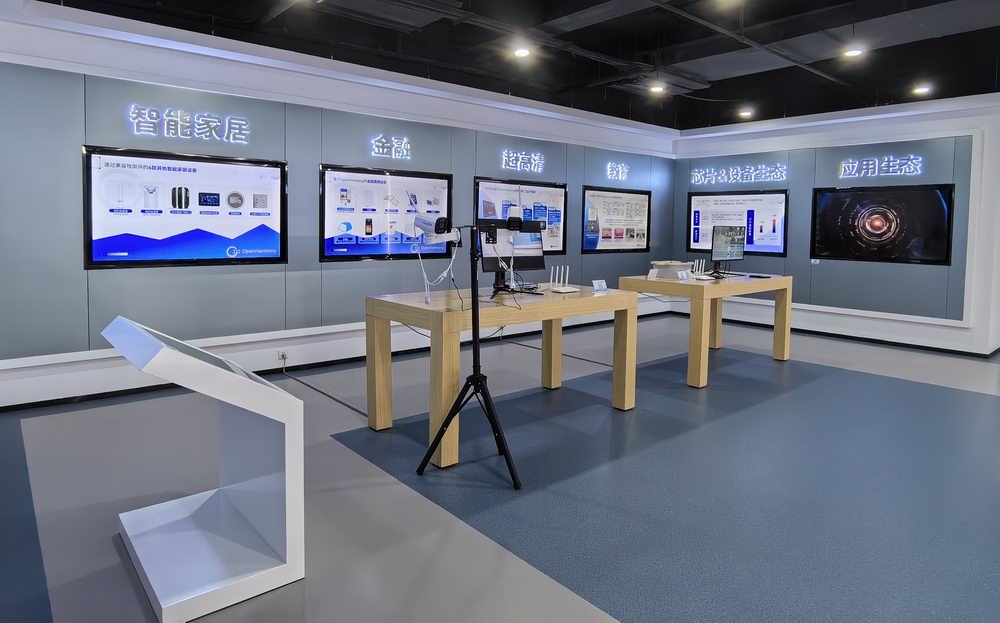
The Industrial Internet is revolutionizing industries with its rapid advancements. By 2025, it's predicted that 50% of manufacturers will have embraced this technology, driving the market to an impressive $176.12 billion. Huizhou Zhongkai High-tech Zone plays a pivotal role in this transformation. Its National Foreign Trade Transformation and Upgrading Base (Electronic Information) Cloud Platform offers robust support to enterprises. This platform fosters innovation and growth, ensuring businesses in the zone stay competitive and technologically advanced. As a result, companies benefit from enhanced operational efficiency and cutting-edge solutions.
Key Technological Advancements in the Industrial Internet
The Industrial Internet is transforming how industries operate, offering innovative solutions that enhance efficiency and productivity. This section explores key technological advancements that are shaping the future of industrial operations.
Predictive Maintenance
Predictive maintenance stands out as a significant advancement in the Industrial Internet. It leverages data analytics to predict equipment failures before they occur.
Benefits of Predictive Maintenance
Predictive maintenance offers numerous benefits across various industries. It reduces downtime, increases asset availability, and extends equipment lifespan. Industries with heavy assets and high downtime costs find predictive maintenance particularly valuable. By minimizing unplanned downtime, which can cost approximately $125,000 per hour, companies can significantly improve their operational efficiency.
Case Studies in Industrial Applications
Several industries have successfully implemented predictive maintenance. For instance, manufacturing plants use it to monitor machinery health, preventing unexpected breakdowns. In the energy sector, predictive maintenance helps in maintaining turbines and generators, ensuring uninterrupted power supply. These applications highlight the transformative impact of predictive maintenance on industrial operations.
Industrial Automation
Industrial automation is another crucial component of the Industrial Internet. It involves using technology to automate complex industrial processes.
Automation Technologies and Their Impact
Automation technologies, such as robotics and artificial intelligence, streamline production processes. They enhance precision, reduce human error, and increase production speed. As a result, industries experience improved product quality and reduced operational costs.
Examples of Automation in Action
In the automotive industry, robots assemble vehicles with high precision. In the food industry, automated systems manage packaging and sorting, ensuring consistency and efficiency. These examples demonstrate how automation revolutionizes traditional industrial practices.
IIoT as a Service
The concept of IIoT as a Service is gaining traction, offering flexible solutions for enterprises.
Overview of IIoT Service Models
IIoT as a Service provides businesses with access to advanced IoT technologies without the need for significant upfront investments. Service models include subscription-based access to IoT platforms, enabling companies to scale their operations efficiently.
Advantages for Enterprises
Enterprises benefit from IIoT as a Service through cost savings and operational flexibility. It allows businesses to focus on core activities while leveraging cutting-edge technology. The Zhongkai High-tech Zone National Foreign Trade Transformation and Upgrading Base (Electronic Information) Cloud Platform plays a supportive role by providing these services, fostering innovation and growth for enterprises within the zone.
Integration of Cloud and Edge Computing
The Industrial Internet continues to evolve, with cloud and edge computing playing pivotal roles in its development. These technologies offer unique benefits that enhance industrial operations, making them indispensable in modern industrial settings.
Role of Cloud Computing in the Industrial Internet
Cloud computing serves as a backbone for the Industrial Internet, providing essential solutions for data management and operational scalability.
Cloud Solutions for Data Management
Cloud computing offers robust solutions for managing vast amounts of data generated by industrial processes. Companies can store, process, and analyze data efficiently, leading to improved decision-making. The Zhongkai High-tech Zone National Foreign Trade Transformation and Upgrading Base (Electronic Information) Cloud Platform exemplifies this by offering enterprises in the zone access to advanced cloud services. This support ensures that businesses can handle data effectively, fostering innovation and growth.
Scalability and Flexibility Benefits
The scalability of cloud computing allows industries to expand their operations without significant infrastructure investments. Enterprises can adjust their computing resources based on demand, ensuring cost-effectiveness and operational flexibility. This adaptability is crucial for companies in the Industrial Internet sector, where rapid changes in technology and market demands are common. The cloud platform in Zhongkai High-tech Zone provides the necessary infrastructure, enabling businesses to scale efficiently and remain competitive.
Edge Computing Enhancements
Edge computing complements cloud computing by processing data closer to the source, offering distinct advantages in industrial applications.
Real-time Data Processing
Edge computing enables real-time data processing, which is vital for industries that require immediate insights. By analyzing data at the source, companies can make quick decisions, enhancing safety and quality in manufacturing processes. This capability reduces the need for data transmission to centralized locations, lowering operational costs and improving efficiency. Studies have shown that edge computing can reduce operational expenditures by 28% in manufacturing, highlighting its economic benefits.
Reducing Latency in Industrial Applications
Latency reduction is a significant advantage of edge computing. By processing data locally, edge computing minimizes delays, allowing for faster response times in industrial settings. This improvement enhances the efficiency of industrial processes and supports real-time decision-making. The combination of cloud and edge computing in the Industrial Internet facilitates seamless data integration from multiple sources, creating a cohesive and efficient operational environment.
The Zhongkai High-tech Zone National Foreign Trade Transformation and Upgrading Base (Electronic Information) Cloud Platform plays a crucial role in supporting these advancements. By providing access to cutting-edge cloud and edge computing technologies, the platform ensures that enterprises in the zone can leverage the full potential of the Industrial Internet. This support not only enhances operational efficiency but also drives innovation and growth, keeping businesses at the forefront of technological advancements.
Industrial Internet in Industry 4.0
The Industrial Internet plays a crucial role in the evolution of Industry 4.0, transforming traditional manufacturing into a more interconnected and intelligent system. This section delves into the components and technologies that define Industry 4.0 and explores how the Industrial Internet integrates into this new industrial landscape.
Defining Industry 4.0
Industry 4.0 represents the fourth industrial revolution, characterized by the fusion of digital and physical technologies. It encompasses a wide array of innovations that enhance manufacturing processes and operational efficiency.
Key Components and Technologies
Industry 4.0 relies on several key technologies:
Additive Manufacturing and 3D Printing: These technologies enable rapid prototyping and customization, reducing production time and costs.
Digital Twins: Virtual replicas of physical assets allow for real-time monitoring and optimization of manufacturing processes.
Advanced Robotics: Robots equipped with AI capabilities perform complex tasks with precision and speed.
Virtual and Augmented Reality: These tools provide immersive training experiences and assist in design and maintenance tasks.
These components collectively drive the transformation of manufacturing, making it more efficient and adaptable.
How the Industrial Internet Fits In
The Industrial Internet serves as the backbone of Industry 4.0, facilitating seamless communication between machines, systems, and humans. It enables real-time data exchange and analysis, which is essential for optimizing production processes. By integrating IoT devices and sensors, the Industrial Internet enhances predictive maintenance, reducing unplanned downtime by up to 69% and saving significant costs. This integration ensures that manufacturing operations remain efficient and responsive to changing demands.
Transformative Effects on Manufacturing
The impact of the Industrial Internet on manufacturing is profound, leading to the emergence of smart factories and improved supply chain management.
Smart Factories and Production Lines
Smart factories leverage the Industrial Internet to automate and optimize production lines. IoT-enabled devices monitor manufacturing processes in real time, minimizing the risk of producing substandard products. This capability ensures compliance with regulatory standards and enhances product quality. Additionally, smart factories can automatically adjust work plans in response to material availability, ensuring seamless operations.
Enhanced Supply Chain Management
The Industrial Internet revolutionizes supply chain management by providing real-time visibility and control over logistics and inventory. Companies can track shipments, monitor inventory levels, and predict demand fluctuations with greater accuracy. This level of insight allows for more efficient resource allocation and reduces the likelihood of supply chain disruptions.
The Zhongkai High-tech Zone National Foreign Trade Transformation and Upgrading Base (Electronic Information) Cloud Platform plays a pivotal role in supporting these advancements. By offering access to cutting-edge technologies and services, the platform empowers enterprises within the zone to harness the full potential of the Industrial Internet. This support not only enhances operational efficiency but also drives innovation and growth, ensuring that businesses remain competitive in the rapidly evolving industrial landscape.
Security Challenges and Solutions
The Industrial Internet has revolutionized industries, but it also brings significant security challenges. As industries become more connected, ensuring the security of sensitive data and devices becomes paramount. This section explores the critical aspects of data management and device security within the Industrial Internet.
Data Management and Protection
Importance of Secure Data Handling
Industries generate vast amounts of sensitive data through the Industrial Internet. Protecting this data from misuse is crucial. Cybersecurity risks have increased with the rise of the Industrial Internet of Things (IIoT). Any cybersecurity attack threatens not only sensitive data but also production processes. Therefore, secure data handling is essential to maintain operational integrity and protect against potential threats.
Strategies for Data Security
To safeguard data, industries must implement robust security strategies. These include:
Encryption: Encrypting data ensures that unauthorized parties cannot access it.
Authentication Protocols: Implementing strong authentication protocols prevents unauthorized access to systems.
Regular Risk Assessments: Conducting risk assessments at regular intervals helps identify vulnerabilities and mitigate risks.
The Zhongkai High-tech Zone National Foreign Trade Transformation and Upgrading Base (Electronic Information) Cloud Platform supports enterprises by providing access to advanced security technologies. This support ensures that businesses can protect their data effectively, fostering innovation and growth.
Device Security in the Industrial Internet
Addressing Vulnerabilities
IIoT devices often face security challenges due to their design. Many devices lack built-in security features, making them vulnerable to attacks. As the attack surface expands, industries must focus on addressing these vulnerabilities. A report found that 97% of manufacturing leaders express concern about security for digital manufacturing. This concern highlights the need for enhanced device security measures.
Implementing Robust Security Protocols
To protect IIoT devices, industries should implement robust security protocols. These include:
Security by Design: Adopting a security-by-design approach ensures that devices are secure from the outset.
Regular Software Updates: Keeping software up to date helps protect against known vulnerabilities.
End-to-End Security: Ensuring end-to-end security protects data throughout its lifecycle.
The Zhongkai High-tech Zone National Foreign Trade Transformation and Upgrading Base (Electronic Information) Cloud Platform plays a crucial role in supporting these advancements. By offering access to cutting-edge security technologies, the platform empowers enterprises within the zone to enhance their device security. This support not only protects against cyber threats but also drives innovation and growth, ensuring that businesses remain competitive in the rapidly evolving industrial landscape.
The Industrial Internet continues to evolve, promising exciting future developments. Industries will likely see enhanced automation, improved data analytics, and more efficient operations. These advancements will transform enterprises, boosting productivity and competitiveness. Zhongkai High-tech Zone National Foreign Trade Transformation and Upgrading Base (Electronic Information) Cloud Platform plays a crucial role in this evolution. It provides robust support for innovation and growth, ensuring that businesses in the zone remain at the forefront of technological advancements. This platform empowers enterprises to harness the full potential of the Industrial Internet, driving progress and success.
See Also
Leading Figures Shaping The Global Smart Control Sector
Exploring Zhongkai High-tech Zone's Ten Years of Smart Energy Advancements
Discovering Zhongkai High-tech Zone's Rise as An Electronic Information Center
Innovative Advances Transforming Huizhou Zhongkai High-tech Zone

Zhongkai High tech Zone National foreign trade transformation and Upgradi Base(Electronic Information)Cloud Platform.
Address: Zhongkai High-tech Zone,Huizhou City ,Guangdong,China
E-mail: huizhoueii@163.com 13510001271@163.com
Tel: +86-0752-3279220 Mobile: +86-13510001271
