How New Materials Are Shaping Advanced Manufacturing

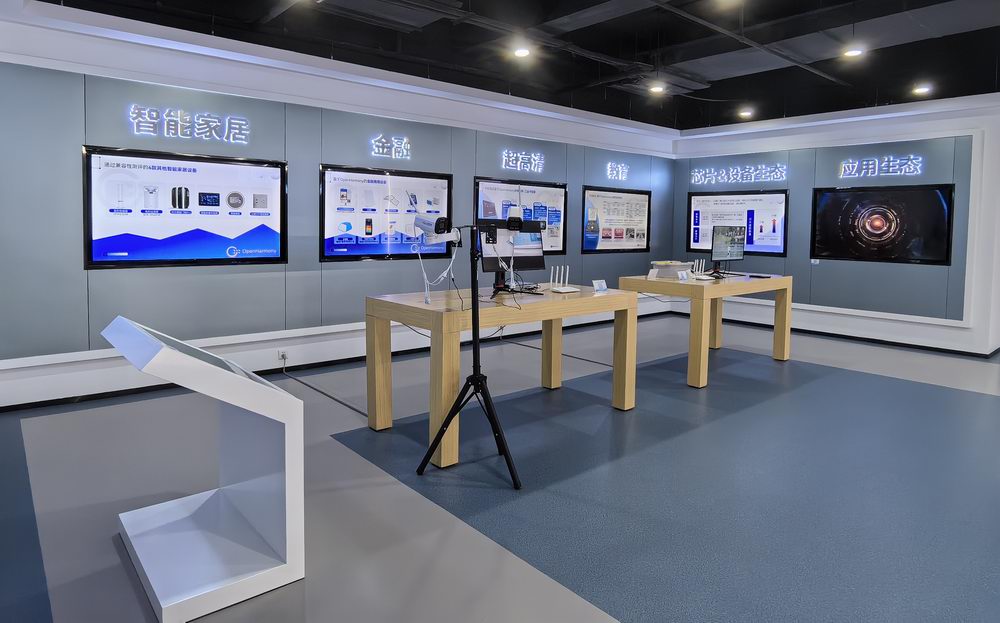
New materials are pivotal in transforming manufacturing, driving efficiency and quality across sectors like aerospace, defense, healthcare, and energy. The evolution from traditional metals to cutting-edge composites marks significant advancements. Understanding their impact on advanced manufacturing is essential. The Huizhou Zhongkai High-tech Zone National Foreign Trade Transformation and Upgrading Base (Electronic Information) Cloud Platform supports enterprises by providing resources and expertise, fostering growth and innovation. New Materials and Advanced Manufacturing Technology R&D, along with the supporting industry cluster, continues to shape the future of manufacturing.
Historical Context of Material Innovation
Early Developments in Material Science
The Industrial Revolution and Material Advancements
The Industrial Revolution in the late 18th century marked a turning point in manufacturing. Innovations like the steam engine and mechanized looms transformed production processes. Factories began to emerge, replacing handcrafted tools with machines. This shift led to faster and more efficient production. The assembly line became a staple in factories, revolutionizing how goods were made. These advancements paved the way for modern manufacturing techniques.
The Role of Metallurgy in Manufacturing
Metallurgy played a crucial role during this era. The development of new metal alloys improved the strength and durability of products. Steel became a dominant material, used in everything from buildings to machinery. Metallurgists experimented with different compositions to enhance properties. This experimentation led to stronger and more reliable materials. The impact of metallurgy on manufacturing cannot be overstated.
20th Century Breakthroughs
The Introduction of Polymers and Plastics
The 20th century saw the introduction of polymers and plastics. These materials offered versatility and cost-effectiveness. Industries quickly adopted them for a variety of applications. Plastics became essential in everyday products, from packaging to automotive parts. The ability to mold plastics into different shapes opened new possibilities. This innovation changed the landscape of manufacturing.
The Impact of Composite Materials
Composite materials emerged as another significant breakthrough. Combining different materials resulted in enhanced properties. Composites offered strength without added weight, ideal for industries like aerospace. Manufacturers embraced these materials for their flexibility and performance. The use of composites continues to grow, driving further advancements in manufacturing.
The Huizhou Zhongkai High-tech Zone National Foreign Trade Transformation and Upgrading Base (Electronic Information) Cloud Platform supports enterprises by providing resources and expertise. This platform fosters growth and innovation, helping companies navigate the evolving landscape of material science. Businesses benefit from access to cutting-edge technology and research. The platform plays a vital role in the development of enterprises within the zone.
Current Applications of New Materials
High-Performance Alloys
High-performance alloys have become game-changers in industries like aerospace and automotive. Engineers love these materials for their ability to withstand extreme conditions. Airplanes and cars need materials that can handle stress and heat. High-performance alloys fit the bill perfectly. These alloys make planes lighter and more fuel-efficient. Cars benefit from increased strength and durability, leading to safer and longer-lasting vehicles.
Applications in Aerospace and Automotive Industries
The aerospace industry relies heavily on high-performance alloys. These materials help create parts that endure high temperatures and pressures. Jet engines, for example, need components that won't fail under intense heat. High-performance alloys provide the necessary strength and reliability. The automotive industry also benefits from these materials. Car manufacturers use them to build engines and other critical parts. The result is vehicles that perform better and last longer.
Benefits in Terms of Strength and Durability
High-performance alloys offer unmatched strength and durability. These materials resist wear and tear, making them ideal for demanding applications. Engineers appreciate the longevity and reliability of these alloys. Products made with high-performance alloys often outlast those made with traditional materials. This durability translates to cost savings and improved performance for manufacturers.
Nanomaterials and Their Uses
Companies in the Huizhou Zhongkai High-tech Zone leverage nanomaterials for cutting-edge innovations.
Enhancements in Electronics and Medical Devices
Electronics get a significant boost from nanomaterials. These materials improve conductivity and efficiency. Smaller and faster devices become possible with nanotechnology. Medical devices also see advancements thanks to nanomaterials. Implants and sensors benefit from increased precision and functionality. Patients receive better care and outcomes as a result.
Environmental Implications and Sustainability
Companies in the Huizhou Zhongkai High-tech Zone focus on sustainable practices.
New Materials and Advanced Manufacturing Technology R&D, Supporting Industry Cluster
The Role of New Materials in Advanced Manufacturing Technology R&D
New materials are changing the game in advanced manufacturing technology R&D. Researchers are exploring how these materials work with IoT and smart manufacturing. Factories use sensors and data to make processes smarter. New materials help machines talk to each other. This makes production more efficient and flexible.
Integration with IoT and Smart Manufacturing
IoT connects devices and systems. New materials enhance this connection. Factories use them to create smart environments. Machines adjust to changes quickly. This leads to better quality and less waste. The Huizhou Zhongkai High-tech Zone National Foreign Trade Transformation and Upgrading Base (Electronic Information) Cloud Platform supports these innovations. Companies access resources and expertise to stay ahead.
Adaptive and Responsive Material Technologies
Adaptive materials respond to their environment. These materials change properties based on conditions. Manufacturers use them for custom solutions. Products become more versatile and efficient. This adaptability opens new possibilities. The cloud platform helps enterprises explore these technologies. Businesses gain a competitive edge through innovation.
Supporting Industry Cluster
The supporting industry cluster plays a vital role. Customization and rapid prototyping drive growth. Companies need to meet specific customer needs. New materials enable this flexibility. 3D printing and other technologies make customization easier.
Customization and Rapid Prototyping
Customization is key in today's market. Customers want products that fit their needs. Rapid prototyping allows quick development of new designs. New materials make prototypes more accurate and durable. The Huizhou Zhongkai High-tech Zone provides tools and support. Enterprises benefit from faster innovation cycles.
Challenges and Opportunities in Material Development
Material development faces challenges. Certification and standards impact growth. New designs require rigorous testing. However, opportunities abound. New materials reduce costs and improve performance. The cloud platform assists companies in navigating these challenges. Access to cutting-edge research and collaboration fosters success.
New materials have transformed manufacturing, boosting efficiency and quality. Ongoing research explores exciting prospects in sustainability and customization. The Huizhou Zhongkai High-tech Zone National Foreign Trade Transformation and Upgrading Base (Electronic Information) Cloud Platform plays a crucial role. This platform supports enterprises by providing resources and expertise, fostering innovation. Continued material innovation drives progress and shapes the future of manufacturing. Embracing these changes leads to a more agile and customer-focused industry.
See Also
Innovative Advancements at Zhongkai High-tech District
Uncovering Creativity at Zhongkai Tech Hub
The Impact of Zhongkai on Industrial Advancement

Zhongkai High tech Zone National foreign trade transformation and Upgradi Base(Electronic Information)Cloud Platform.
Address: Zhongkai High-tech Zone,Huizhou City ,Guangdong,China
E-mail: huizhoueii@163.com 13510001271@163.com
Tel: +86-0752-3279220 Mobile: +86-13510001271
