Practical Guide to Home Automation Integration

Home automation has transformed the way people interact with their living spaces. It integrates technology into daily routines, offering unparalleled convenience and efficiency. By 2022, consumer spending on smart home devices reached an impressive $80 billion, reflecting its growing adoption. Modern households benefit from enhanced security, as smart systems combine internet connectivity with advanced monitoring tools. Unlike traditional setups, these systems provide seamless control and peace of mind. The global market for home automation continues to expand rapidly, projected to grow at a compound annual rate of 27.3% from 2023 to 2030, showcasing its undeniable importance in contemporary living.
Key Takeaways
Home automation enhances convenience by allowing users to control lighting, temperature, and security systems remotely, simplifying daily routines.
Integrating smart devices can significantly improve home security, providing real-time alerts and remote monitoring to protect your property.
Energy efficiency is a major benefit of home automation, with smart devices capable of reducing energy consumption by up to 50%, leading to lower utility bills.
Customization and scalability are key features of home automation, enabling homeowners to tailor their systems to meet specific needs and expand over time.
Regular maintenance and updates of your home automation system are essential for ensuring optimal performance and longevity of devices.
Budget-friendly automation is achievable by starting small, researching compatible devices, and considering DIY installation to manage costs effectively.
Implementing strong security measures, such as using strong passwords and enabling two-factor authentication, is crucial for protecting your home automation system from cyber threats.
Understanding Home Automation
What is Home Automation?
Home automation refers to the integration of technology into residential spaces to control and manage various systems and devices. It enables homeowners to automate tasks such as adjusting lighting, regulating temperature, and securing their property. This technology simplifies daily routines by allowing users to operate systems remotely or through pre-set schedules. The concept revolves around creating a connected ecosystem where devices communicate seamlessly, enhancing convenience and efficiency.
The rise of smart homes has made automation an essential part of modern living. By connecting devices through the Internet of Things (IoT), homeowners can enjoy centralized control over their environment. For instance, a single app or voice command can dim lights, lock doors, or even start a coffee maker. This level of integration not only saves time but also improves the overall quality of life.
How Does Automation Work in Home Systems?
Automation in home systems operates through a combination of hardware, software, and connectivity. Devices equipped with sensors and actuators gather data and execute commands based on user preferences. These devices often rely on wireless communication protocols like Wi-Fi, Zigbee, or Bluetooth to interact with each other and with a central hub or controller.
A typical automated system includes three main components:
Input Devices: Sensors detect changes in the environment, such as motion, temperature, or light levels.
Processing Unit: A central hub or cloud-based platform processes the data and determines the appropriate response.
Output Devices: Actuators or connected devices perform actions, such as turning on lights or adjusting the thermostat.
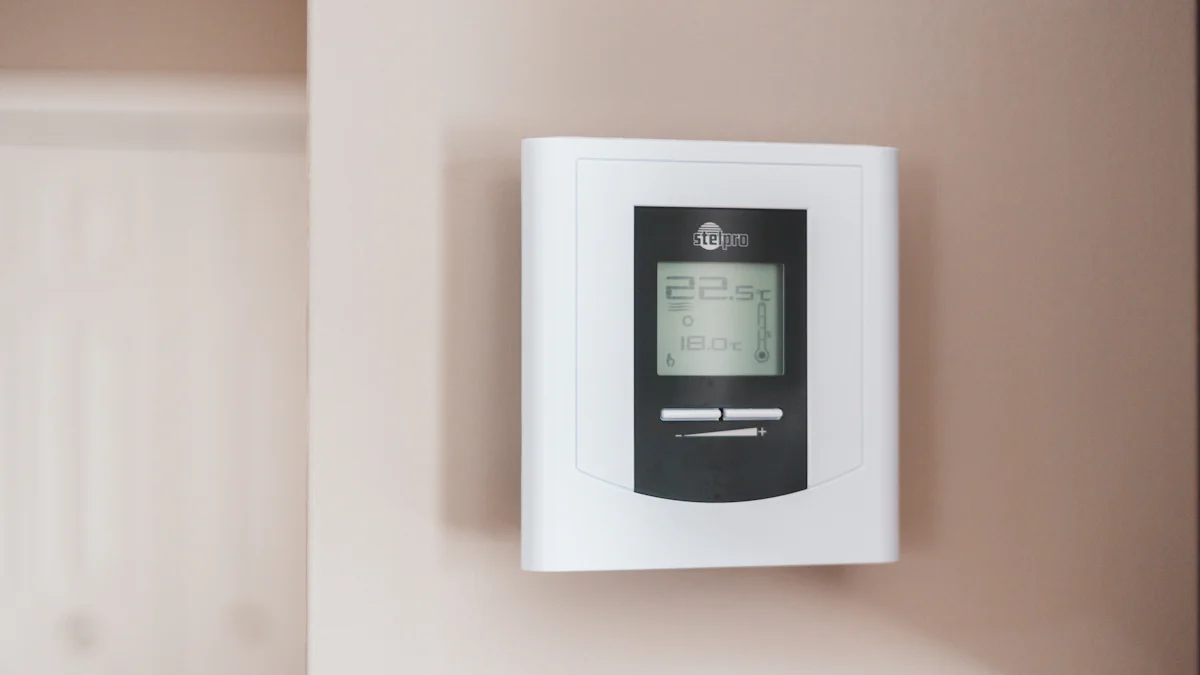
For example, a smart thermostat can monitor room temperature and adjust heating or cooling systems automatically. Similarly, motion sensors can trigger security cameras or alarms when unusual activity is detected. These systems work together to create a cohesive and responsive home environment.
Key Components of Home Automation
Several key components form the foundation of a home automation system. Each plays a crucial role in ensuring seamless operation and user satisfaction:
Smart Hubs: These act as the central control point, connecting and managing all devices within the system. Popular examples include Amazon Echo and Google Nest Hub.
Sensors: Devices like motion detectors, temperature sensors, and door/window sensors provide real-time data for automation triggers.
Actuators: These include smart plugs, motorized blinds, and other devices that execute commands based on sensor input.
Connectivity Protocols: Technologies like Wi-Fi, Zigbee, and Z-Wave enable communication between devices, ensuring interoperability.
User Interfaces: Mobile apps, voice assistants, and touch panels allow users to interact with and control their systems effortlessly.
By combining these components, home automation systems deliver a tailored experience that aligns with individual needs. They also enhance safety, as users can monitor and control their homes remotely. For instance, integrating cameras and alarm systems provides peace of mind, especially when away from home.
"Home automation offers remote control, safety, security, comfort, and improves quality of life and property value." This statement highlights the transformative impact of automation on modern households.
Benefits of Home Automation
Convenience and Comfort
Home automation transforms daily living by simplifying routine tasks and enhancing comfort. Automated systems allow users to control lighting, climate, and appliances with minimal effort. For instance, a smart thermostat adjusts the temperature based on user preferences, ensuring an ideal indoor environment at all times. Voice assistants, such as Amazon Alexa or Google Assistant, enable hands-free operation, making it easier to manage household activities. benefits of home automation
The ability to schedule tasks adds another layer of convenience. Homeowners can program lights to turn on at sunset or coffee machines to start brewing in the morning. This level of automation not only saves time but also creates a more relaxing and enjoyable living space. By integrating technology into their homes, individuals experience a seamless blend of functionality and comfort.
Enhanced Security
Security remains a top priority for many homeowners, and automation addresses this concern effectively. Smart home systems integrate advanced security features, such as motion detectors, surveillance cameras, and door sensors. These devices provide real-time alerts, allowing users to monitor their property remotely through mobile apps.
A survey revealed that 63% of respondents adopted home automation primarily to protect their families. This statistic underscores the growing reliance on smart technology for safety. Automated locks and alarm systems further enhance security by enabling remote access and immediate response to potential threats. For example, users can lock doors or activate alarms from anywhere, ensuring peace of mind even when away from home.
Energy Efficiency and Sustainability
Home automation contributes significantly to energy conservation and sustainability. Smart devices, such as thermostats and lighting systems, optimize energy usage by adapting to user behavior. For example, automated lighting turns off when no one is in the room, reducing unnecessary power consumption. Similarly, smart thermostats regulate heating and cooling systems efficiently, leading to substantial energy savings. energy efficiency and sustainability
Studies indicate that users who automate their heating and cooling systems report up to 50% energy savings. This reduction not only lowers utility bills but also minimizes environmental impact. By adopting automation, homeowners take a proactive step toward sustainable living. The integration of energy management systems further enhances efficiency, allowing users to monitor and control their energy consumption in real time.
"Smart home automation empowers individuals to live more sustainably while enjoying unparalleled convenience and security." This statement encapsulates the transformative potential of automation in modern households.
Customization and Scalability
Home automation systems offer unparalleled flexibility, allowing users to tailor their setups to meet specific needs and preferences. This customization ensures that every household can create a unique environment that aligns with individual lifestyles. Whether adjusting lighting schedules or integrating advanced security features, users can design systems that cater to their routines and priorities.
Customization begins with selecting devices that match personal requirements. For instance, families with young children may prioritize smart cameras and motion sensors for enhanced safety. On the other hand, individuals focused on energy efficiency might invest in smart thermostats and automated lighting systems. These choices enable users to build a system that reflects their goals and enhances their daily lives.
Scalability is another critical advantage of home automation. Users can start small, integrating a few devices, and expand their systems over time. This approach allows homeowners to adapt their setups as their needs evolve. For example:
A basic system might include a smart speaker and a few connected lights.
Over time, users can add features like automated blinds, security cameras, or energy management tools.
Advanced setups may integrate multiple systems, such as climate control, entertainment, and security, into a seamless ecosystem.
This incremental approach makes home automation accessible to a broader audience. It also ensures that users can manage costs effectively while gradually enhancing their systems.
"Smart home automation empowers individuals to start small and scale up, creating a personalized and adaptable living environment."
The ability to customize and scale systems also supports long-term sustainability. As technology advances, users can upgrade their devices to incorporate new features or improve efficiency. This adaptability ensures that home automation remains relevant and valuable, even as household needs change. By prioritizing customization and scalability, homeowners can create a smart home that grows with them, delivering lasting convenience and satisfaction.
Step-by-Step Guide to Automation Integration
Assess Your Needs and Goals
The first step in integrating home automation involves identifying specific needs and objectives. Homeowners should evaluate their daily routines and pinpoint areas where automation can enhance convenience, efficiency, or security. For instance, individuals who prioritize energy savings may focus on smart thermostats and lighting systems. Families with safety concerns might consider automated locks and surveillance cameras.
Creating a list of priorities helps streamline the decision-making process. Users should ask questions such as:
What tasks or systems require automation?
Which devices will improve daily life or address specific challenges?
How much control or customization is necessary?
By answering these questions, homeowners can establish clear goals for their automation journey. This clarity ensures that the chosen system aligns with personal preferences and lifestyle requirements.
"Home automation has revolutionized convenience, efficiency, and security for homeowners." This transformation begins with understanding individual needs and setting achievable goals.
Research and Choose Compatible Devices
Once goals are defined, the next step involves researching devices that meet those requirements. Compatibility plays a crucial role in ensuring seamless integration. Homeowners should prioritize devices that work well together and support common communication protocols like Wi-Fi, Zigbee, or Z-Wave. Selecting products from reputable brands with strong customer support can also enhance the overall experience.
When evaluating devices, users should consider:
Functionality: Does the device perform the desired task effectively?
Interoperability: Can it connect with existing systems or future additions?
Ease of Use: Is the setup process straightforward, and is the interface user-friendly?
Reading reviews and seeking recommendations from trusted sources can provide valuable insights. Additionally, exploring centralized platforms, such as Amazon Alexa or Google Home, can simplify the integration process by offering compatibility with a wide range of devices.
Set Up and Configure Your System
After selecting the appropriate devices, the setup and configuration phase begins. This step requires careful attention to detail to ensure optimal performance. Users should follow the manufacturer's instructions for each device and connect them to a central hub or app for unified control.
The process typically involves:
Installing Devices: Place sensors, cameras, or other components in their designated locations.
Connecting to the Network: Link devices to the home Wi-Fi or other communication protocols.
Configuring Settings: Adjust preferences, such as schedules, triggers, or automation rules, through the app or hub interface.
Testing each device after installation ensures proper functionality. For example, users can verify that motion sensors activate lights or that smart locks respond to remote commands. This step helps identify and resolve any issues before fully relying on the system.
A well-configured automation system enhances daily life by providing seamless control and improved efficiency. Proper setup ensures that every component works harmoniously within the ecosystem.
Test and Optimize Your Setup
Testing ensures that every component of the home automation system functions as intended. After installation, users should verify that devices respond accurately to commands and interact seamlessly with one another. This step minimizes potential disruptions and enhances the overall user experience.
To begin, test each device individually. For example, confirm that smart lights turn on and off as scheduled or that motion sensors activate security cameras when movement is detected. Once individual devices perform correctly, evaluate how they work together within the system. For instance, check if a triggered sensor activates multiple devices, such as turning on lights and sending an alert simultaneously.
Optimization follows testing. Adjust settings to align with personal preferences and daily routines. For example:
Modify thermostat schedules to match occupancy patterns.
Fine-tune lighting brightness levels for different times of the day.
Update security camera angles for maximum coverage.
Regularly reviewing and refining these settings ensures that the system remains efficient and tailored to the household's needs. Additionally, users should monitor performance over time to identify areas for improvement. A well-tested and optimized setup enhances convenience, efficiency, and security, reflecting the transformative potential of automation.
"Home automation has revolutionized convenience, efficiency, and security for homeowners." Testing and optimization ensure that this transformation delivers its full benefits.
Maintain and Update Your System
Maintenance plays a vital role in ensuring the longevity and reliability of home automation systems. Regular upkeep prevents malfunctions and keeps devices operating at peak performance. Users should establish a routine for inspecting and maintaining their systems.
Start by checking for software updates. Manufacturers frequently release updates to improve functionality, address security vulnerabilities, and introduce new features. Keeping devices up to date ensures compatibility and enhances performance. For example, updating a smart hub may enable it to support additional devices or improve response times.
Hardware maintenance is equally important. Inspect sensors, cameras, and other components for physical damage or wear. Replace batteries in wireless devices as needed to avoid interruptions. Clean devices like cameras and motion sensors to maintain their accuracy and effectiveness.
Users should also review their system's configuration periodically. As household needs evolve, adjustments may be necessary. For instance, adding new devices or modifying automation rules can enhance the system's relevance and utility. Scalability allows homeowners to expand their setups over time, ensuring that their automation system grows alongside their requirements.
By prioritizing maintenance and updates, users can maximize the value of their investment. A well-maintained system not only enhances daily life but also ensures long-term satisfaction and reliability.
Types of Devices and Systems for Automation
Smart Speakers and Voice Assistants
Smart speakers and voice assistants have become the cornerstone of many home automation systems. These devices, such as Amazon Echo with Alexa or Google Nest with Google Assistant, allow users to control various aspects of their homes using simple voice commands. By integrating with other smart devices, they enable seamless interaction and centralized control.
Users can perform tasks like adjusting lighting, setting reminders, or playing music without lifting a finger. For instance, saying "Turn off the living room lights" or "Set the thermostat to 72 degrees" triggers immediate action. This hands-free convenience enhances daily routines and makes managing household activities effortless.
Smart speakers also act as hubs for other connected devices. They support compatibility with a wide range of products, ensuring interoperability across different brands. This feature simplifies the process of building a cohesive automation system. Additionally, their ability to learn user preferences over time ensures a more personalized experience.
"Voice assistants revolutionize home automation by offering intuitive control and accessibility for users of all ages."
Smart Thermostats and Climate Control
Smart thermostats play a pivotal role in optimizing energy efficiency and maintaining indoor comfort. Devices like Nest Thermostat and Ecobee SmartThermostat adapt to user behavior, learning patterns to create ideal temperature settings automatically. These systems reduce energy consumption by adjusting heating or cooling based on occupancy and preferences.
For example, a smart thermostat can lower the temperature when no one is home and restore it before residents return. This functionality not only saves energy but also ensures a comfortable environment upon arrival. Many models provide real-time energy usage reports, helping users monitor and manage their consumption effectively.
Integration with voice assistants and mobile apps further enhances usability. Users can adjust settings remotely or through voice commands, ensuring flexibility and convenience. Smart thermostats also support zoning, allowing different areas of the home to maintain distinct temperatures. This feature proves especially valuable in larger households.
"Smart thermostats empower homeowners to achieve energy savings while enjoying unparalleled comfort and control."
Smart Lighting Systems
Smart lighting systems offer a versatile and energy-efficient solution for modern homes. These systems allow users to control brightness, color, and scheduling through mobile apps or voice commands. Popular options include Philips Hue and LIFX, which provide extensive customization features.
Users can create lighting scenes tailored to specific activities, such as reading, relaxing, or entertaining guests. For instance, dimming the lights for a movie night or setting a vibrant color scheme for a party becomes effortless. Automated schedules ensure lights turn on or off at designated times, enhancing convenience and security.
Motion sensors integrated with smart lighting add another layer of functionality. Lights can activate automatically when someone enters a room and switch off when the space is unoccupied. This feature reduces energy waste and simplifies daily routines. Additionally, remote access allows users to control lighting from anywhere, providing peace of mind during travel.
"Smart lighting systems combine functionality and aesthetics, transforming homes into dynamic and energy-efficient spaces."
Home Security Devices
Home security devices form a critical component of any home automation system. These devices enhance safety by providing real-time monitoring and immediate alerts. They integrate seamlessly with other smart systems, creating a robust security network that protects homes from potential threats.
Key Features of Smart Security Devices:
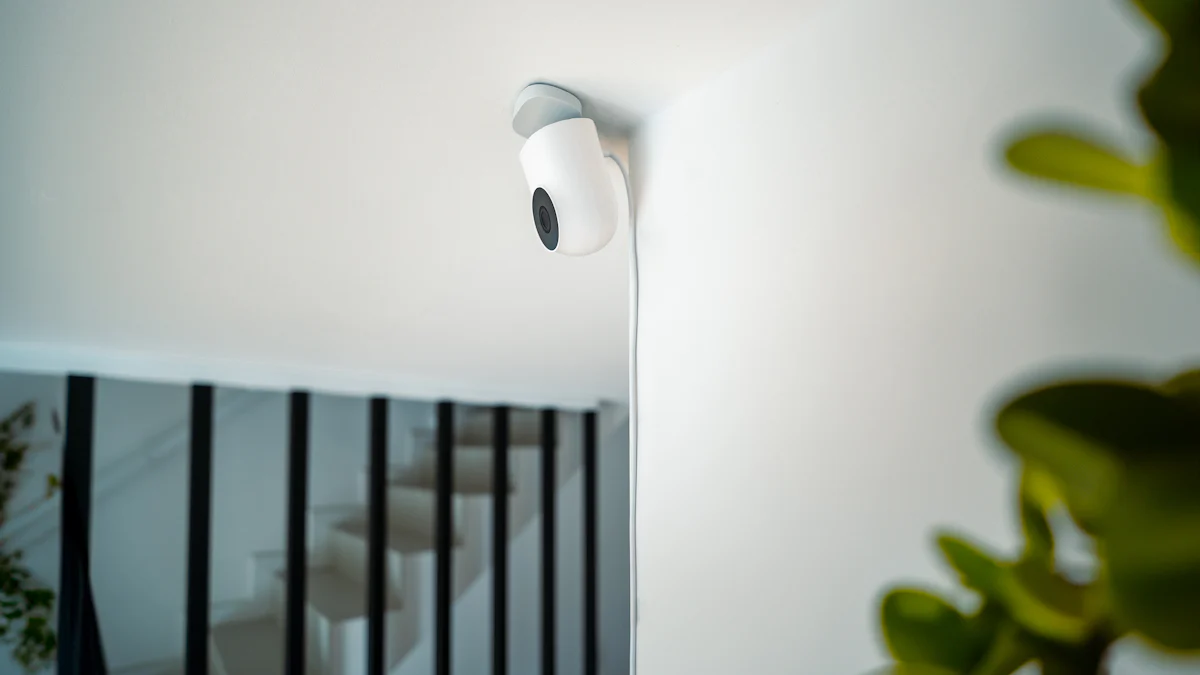
Surveillance Cameras: Modern cameras offer high-definition video, night vision, and motion detection. They allow homeowners to monitor their property remotely through mobile apps. Some models include two-way audio, enabling communication with visitors or deterring intruders.
Smart Door Locks: These locks provide keyless entry, enhancing convenience and security. Users can lock or unlock doors remotely, grant temporary access to guests, or receive notifications when someone enters the home.
Motion Sensors: These sensors detect unusual activity and trigger alarms or notifications. They can also activate other devices, such as lights or cameras, to respond to potential threats effectively.
Door and Window Sensors: These devices alert homeowners when doors or windows are opened unexpectedly. They act as the first line of defense against unauthorized entry.
Alarm Systems: Integrated alarm systems combine multiple security features, including sirens, sensors, and cameras. They provide comprehensive protection and immediate response to emergencies.
"Smart security devices empower homeowners to monitor and protect their properties with precision and ease."
Benefits of Smart Security Devices:
Remote Monitoring: Homeowners can check live feeds or review recorded footage from anywhere, ensuring peace of mind during travel or work.
Real-Time Alerts: Instant notifications keep users informed about security breaches or suspicious activities.
Integration with Other Systems: Security devices work in tandem with lighting, voice assistants, and other smart systems to create a cohesive safety network.
Customization: Users can tailor settings to meet specific needs, such as scheduling alerts or adjusting sensitivity levels.
By incorporating these devices, homeowners can create a secure environment that adapts to their unique requirements. The ability to monitor and control security systems remotely ensures that safety remains a top priority in modern households.
Smart Appliances and Entertainment Systems
Smart appliances and entertainment systems elevate convenience and enjoyment in daily life. These devices integrate advanced technology to simplify tasks and enhance leisure experiences. They represent the perfect blend of functionality and innovation in home automation.
Examples of Smart Appliances:
Smart Refrigerators: Equipped with touchscreens and cameras, these refrigerators allow users to view contents remotely, create shopping lists, and receive expiration date reminders.
Smart Washing Machines: These machines enable remote operation, allowing users to start or stop cycles through mobile apps. They also provide notifications when cycles are complete.
Smart Ovens: With precise temperature control and recipe guidance, smart ovens ensure perfect cooking results. Some models even allow voice commands for hands-free operation.
Features of Smart Entertainment Systems:
Streaming Devices: Devices like Roku, Apple TV, and Amazon Fire Stick provide access to a wide range of streaming platforms. They offer high-quality video and audio for an immersive viewing experience.
Smart TVs: These televisions integrate apps, voice control, and internet connectivity. Users can stream content, browse the web, or control other smart devices directly from their TV screens.
Multi-Room Audio Systems: Systems like Sonos allow users to play music in multiple rooms simultaneously. They provide seamless control through mobile apps or voice assistants.
Gaming Consoles: Modern consoles, such as PlayStation and Xbox, offer smart features like streaming, voice control, and integration with other devices.
"Smart appliances and entertainment systems redefine convenience and leisure, making everyday tasks and activities more enjoyable."
Advantages of Smart Appliances and Entertainment Systems:
Energy Efficiency: Many smart appliances optimize energy usage, reducing utility bills and environmental impact.
Remote Control: Users can operate devices from anywhere, ensuring flexibility and convenience.
Enhanced User Experience: Advanced features, such as voice commands and app integration, simplify operation and improve functionality.
Personalization: Devices adapt to user preferences, creating a tailored experience for every household.
By integrating smart appliances and entertainment systems, homeowners can transform their living spaces into hubs of efficiency and entertainment. These devices not only simplify daily routines but also enrich the overall quality of life.
Cost and Budgeting for Home Automation
Factors Affecting the Cost
The cost of home automation varies significantly based on several factors. The type and number of devices play a crucial role in determining the overall expense. High-end products, such as advanced smart thermostats or multi-room audio systems, often come with premium price tags. On the other hand, basic devices like smart plugs or single-room lighting systems offer more affordable options.
Installation and integration costs also influence the budget. Professional installation services ensure seamless setup and compatibility among devices. Companies like Control4 Corporation provide trained technicians to configure systems and address technical challenges. While this service adds to the initial expense, it guarantees optimal performance and long-term reliability.
Connectivity protocols and system complexity further impact costs. Devices using advanced communication technologies, such as Zigbee or Z-Wave, may require additional hubs or controllers. Larger homes with complex automation needs often demand higher investments in infrastructure and equipment.
"The cost of home automation depends on the devices, installation requirements, and system complexity. Homeowners should evaluate these factors carefully to make informed decisions."
Tips for Budget-Friendly Automation
Homeowners can achieve effective automation without exceeding their budgets by adopting strategic approaches. Starting small and expanding gradually allows users to manage costs while building a functional system over time. For instance, beginning with essential devices like smart speakers or lighting systems provides a solid foundation for future upgrades.
Researching and comparing products helps identify cost-effective options. Many reputable brands offer budget-friendly alternatives that deliver reliable performance. Reading reviews and seeking recommendations ensures that users select devices with proven quality and compatibility.
DIY installation offers another way to reduce expenses. Many smart devices come with user-friendly instructions, enabling homeowners to set up systems independently. However, for complex setups, hiring professionals ensures proper configuration and avoids potential issues.
Subscription-based services provide access to expert assistance at manageable costs. Companies offering maintenance and support plans, such as those in Huizhou Zhongkai High-tech Zone, help homeowners maintain their systems efficiently. These services often include regular updates, troubleshooting, and technical support.
"Budget-friendly automation requires careful planning, product research, and strategic implementation. Homeowners can achieve their goals without compromising quality or functionality."
Balancing Cost with Functionality
Striking a balance between cost and functionality ensures that homeowners maximize value without overspending. Prioritizing essential features over luxury additions helps focus investments on devices that address specific needs. For example, families concerned about security may prioritize cameras and smart locks, while energy-conscious individuals might invest in thermostats and lighting systems.
Interoperability plays a key role in maintaining cost-effectiveness. Choosing devices compatible with existing systems reduces the need for additional hubs or controllers. Platforms like Amazon Alexa or Google Home support a wide range of products, simplifying integration and minimizing expenses.
Regular maintenance and updates enhance system longevity and performance. Keeping devices up to date prevents malfunctions and ensures compatibility with new technologies. Subscription services offering professional support, such as those provided by Control4 Corporation, help homeowners maintain their systems efficiently.
"Balancing cost with functionality involves prioritizing essential features, ensuring compatibility, and investing in maintenance. This approach delivers a smart home system that meets needs while staying within budget."
Security and Privacy Considerations in Automation
Common Security Risks
Home automation systems, while convenient, introduce potential security vulnerabilities. Devices connected to the internet, such as smart speakers, smart thermostats, and smart switches, can become targets for cyberattacks. Hackers may exploit weak passwords or outdated software to gain unauthorized access. This intrusion could compromise personal data or allow control over connected devices.
Another risk involves unsecured networks. Many smart home systems rely on Wi-Fi for communication. If the network lacks proper encryption, it becomes easier for attackers to intercept data or infiltrate the system. For example, a poorly secured smart speaker might expose sensitive information, such as voice commands or stored preferences.
Physical security also poses a concern. Devices like smart locks and door sensors enhance safety but may become liabilities if tampered with. Unauthorized individuals could exploit these systems to bypass physical barriers, jeopardizing the household's security.
"Cybersecurity risks in home automation stem from weak passwords, outdated software, and unsecured networks. Addressing these vulnerabilities is essential for safeguarding personal data and device functionality."
Best Practices for Securing Your System
Implementing robust security measures ensures the safety of home automation systems. Users should adopt the following best practices to protect their devices and data:
Use Strong Passwords: Create unique and complex passwords for each device. Avoid using default credentials provided by manufacturers.
Enable Two-Factor Authentication (2FA): Many platforms, including Amazon Alexa and Google Home, offer 2FA. This feature adds an extra layer of security by requiring a secondary verification step.
Keep Software Updated: Regularly update device firmware and apps. Manufacturers release updates to address vulnerabilities and improve performance.
Secure the Network: Use a strong Wi-Fi password and enable WPA3 encryption. Consider setting up a separate network for smart devices to isolate them from personal data.
Monitor Device Activity: Review logs and notifications for unusual behavior. Many smart home automation apps provide insights into device usage and access attempts.
Physical security measures also play a role. Position smart cameras and motion sensors strategically to cover vulnerable areas. Regularly inspect devices for signs of tampering or damage.
"Adopting strong passwords, enabling two-factor authentication, and securing networks are critical steps in protecting home automation systems from cyber threats."
Protecting Your Privacy
Privacy concerns arise when smart devices collect and store user data. Many devices, such as voice assistants and smart-home gadgets, gather information to improve functionality. However, improper handling of this data could lead to breaches or misuse.
To safeguard privacy, users should take proactive steps:
Review Privacy Policies: Understand how manufacturers handle data. Opt for brands with transparent policies and robust data protection measures.
Limit Data Sharing: Disable unnecessary features that collect personal information. For instance, some smart speakers allow users to turn off voice recording or delete stored commands.
Use Encryption: Ensure that devices and apps encrypt data during transmission. This measure prevents unauthorized access to sensitive information.
Restrict Permissions: Grant devices only the permissions they need to function. Avoid sharing location data or access to personal files unless necessary.
Regularly auditing connected devices helps maintain privacy. Users should disconnect unused devices and remove outdated ones from their systems. Platforms like Amazon Alexa and Google Assistant provide tools for managing connected devices and reviewing data usage.
"Protecting privacy in home automation requires limiting data sharing, using encryption, and regularly auditing connected devices. These steps ensure that personal information remains secure."
Home automation offers transformative benefits, enhancing convenience, efficiency, and security in daily life. By following a structured approach—assessing needs, selecting compatible devices, and maintaining systems—homeowners can create a smart ecosystem tailored to their preferences. Planning and budgeting play a crucial role in achieving a cost-effective setup. Starting small with essential devices like smart speakers or lighting systems allows gradual expansion over time.
"Smart home automation empowers individuals to customize their living spaces while ensuring safety and comfort."
Exploring automation possibilities unlocks a future of seamless control and personalized living experiences.
See Also
Easily Reach EVE Energy At The Smart Device Hub
Launch Of Huizhou Zhongkai's Innovative Electronic Cloud Platform
Leading Figures Shaping The Global Intelligent Control Sector

Zhongkai High tech Zone National foreign trade transformation and Upgradi Base(Electronic Information)Cloud Platform.
Address: Zhongkai High-tech Zone,Huizhou City ,Guangdong,China
E-mail: huizhoueii@163.com 13510001271@163.com
Tel: +86-0752-3279220 Mobile: +86-13510001271
