Examining the Regional Economic Effects of Trade Liberalization


Trade liberalization refers to the removal of barriers like tariffs and quotas, enabling smoother exchange of goods and services between countries. This process has reshaped regional economies by fostering economic integration and enhancing market access. Since the end of World War II, global trade has expanded at a pace surpassing GDP growth, driven by reduced trade restrictions. This shift has brought significant benefits, such as lower consumer prices and increased product variety. However, its effects on wages, income distribution, and regional development remain complex, requiring a deeper understanding of its economic dynamics.
Key Takeaways
Trade liberalization boosts job creation by expanding markets and increasing demand for goods and services, particularly in export-oriented sectors.
While trade can enhance economic opportunities, it also leads to job displacement and wage inequality, necessitating targeted interventions to support affected workers.
Governments should invest in education and vocational training to help workers transition into growing industries and reduce wage disparities.
Consumers benefit from lower prices and a wider variety of products due to increased competition from global trade.
The shift towards regionalization in trade can enhance economic resilience by reducing dependency on global supply chains and fostering local partnerships.
Foreign direct investment (FDI) is crucial for economic growth in developing regions, providing access to capital and technology while promoting formal employment.
Policymakers must implement inclusive strategies that prioritize infrastructure and education to ensure equitable benefits from trade liberalization across all communities.
Labor Market Effects of Global Trade Liberalization
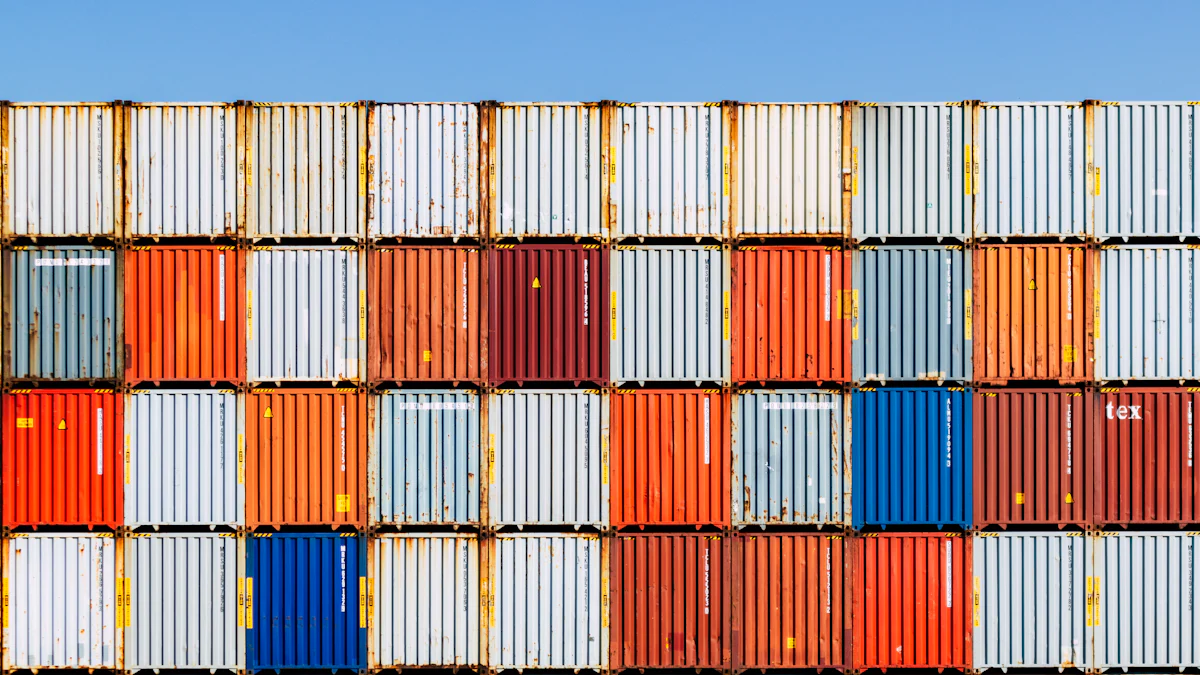
Job Creation and Economic Opportunities
Global trade liberalization has opened doors to new economic opportunities by fostering job creation in various industries. As markets expand, businesses gain access to a larger consumer base, which drives demand for goods and services. This demand encourages companies to hire more workers, particularly in export-oriented sectors. For example, after China joined the World Trade Organization (WTO), urban residents experienced a significant rise in wage income, especially during the initial years. This highlights how trade liberalization can stimulate economic growth and improve living standards.
In developing regions, the integration into global trade networks has led to the emergence of manufacturing hubs. These hubs provide employment to millions, lifting many out of poverty. However, the benefits are not uniform across all sectors. Industries with competitive advantages, such as technology and textiles, tend to thrive, while others may struggle to adapt. Despite these disparities, the overall trend indicates that trade liberalization creates opportunities for economic advancement.
Job Displacement and Wage Inequality
While global trade generates jobs, it also disrupts labor markets. Workers in industries unable to compete with cheaper imports often face job losses. For instance, trade liberalization in the United States, such as granting China Permanent Normal Trade Relations (PNTR) status in 2000, led to structural adjustments in certain sectors. These adjustments displaced workers in manufacturing industries, forcing them to seek employment in lower-paying or less stable jobs.
Wage inequality is another consequence of these disruptions. High-skilled workers in competitive industries often see wage increases, while low-skilled workers face stagnant or declining wages. In India, informal employment accounts for up to 88% of total employment, partly due to economic reforms and technological advancements. This shift toward informal jobs exacerbates income inequality, as informal workers typically earn less and lack job security. The uneven distribution of benefits underscores the need for targeted interventions to address wage disparities.
Policy Responses to Labor Market Challenges
Governments play a crucial role in mitigating the adverse effects of global trade on labor markets. Policymakers can implement strategies to support displaced workers and reduce wage inequality. For example, investing in education and vocational training equips workers with skills needed to transition into growing industries. This approach not only enhances employability but also fosters economic resilience.
Social safety nets, such as unemployment benefits and wage subsidies, provide immediate relief to affected workers. Additionally, promoting formal employment through regulatory reforms can reduce the prevalence of informal jobs. By addressing the benefit-cost dynamics of formal employment, governments can encourage businesses to offer stable and well-paying positions. Collaborative efforts between public and private sectors are essential to ensure that the gains from trade liberalization are distributed equitably.
Impact of Global Trade on Consumer Prices and Cost of Living
Lower Prices Through Increased Competition
Trade liberalization has significantly reduced consumer prices in many regions. By removing tariffs and other trade barriers, it allows businesses to source goods and raw materials at lower costs. This reduction in production expenses often translates into more affordable prices for consumers. For instance, advanced economies have experienced a noticeable decline in the cost of electronics, clothing, and household items due to increased competition among global suppliers.
In addition to lower prices, consumers benefit from a wider variety of products. Global trade enables businesses to introduce diverse goods into local markets, enhancing consumer choice. Emerging markets, such as those in Asia, have seen a surge in imported goods, providing access to high-quality products that were previously unavailable. This dynamic fosters a competitive environment where businesses strive to offer better value, ultimately benefiting consumers.
Inflationary Pressures in Certain Sectors
While trade liberalization reduces prices for many goods, it can also create inflationary pressures in specific sectors. Industries reliant on imported raw materials may face price volatility due to global supply chain disruptions or geopolitical events. For example, fluctuations in oil prices often lead to higher transportation and production costs, which can increase the prices of goods dependent on these inputs.
Additionally, some domestic industries struggle to compete with cheaper imports, leading to reduced production and supply shortages. These shortages can drive up prices in local markets. In Brazil, for instance, certain agricultural sectors experienced price hikes following trade liberalization, as structural adjustments disrupted local supply chains. Policymakers must address these challenges to ensure that inflationary pressures do not outweigh the benefits of trade liberalization.
Long-Term Effects on Purchasing Power
Over time, trade liberalization positively impacts purchasing power by fostering economic growth and raising income levels. As businesses expand and create jobs, households experience higher disposable incomes, enabling them to afford a broader range of goods and services. In Asian emerging markets, such as China, increased participation in global trade has lifted millions out of poverty and improved living standards.
However, the long-term effects vary across regions. Developed economies often see steady gains in purchasing power due to stable income growth and access to affordable imports. In contrast, developing regions may face challenges in achieving equitable income distribution, which can limit the overall improvement in purchasing power. Governments must implement policies that promote inclusive growth to ensure that all segments of society benefit from global trade.
Economic Growth and Investment Across Regions
Trade Liberalization in Developed Economies
Trade liberalization has significantly influenced economic growth in developed economies. By reducing trade barriers, these nations have gained access to larger markets, enabling businesses to scale operations and increase productivity. For instance, the European Union's single market has facilitated seamless trade among member states, boosting economic integration and fostering innovation. Developed economies often leverage their advanced infrastructure and technological capabilities to maximize the benefits of global trade.
Increased competition from international markets has driven companies in developed regions to enhance efficiency and invest in research and development. This focus on innovation has led to the creation of high-value industries, such as biotechnology and renewable energy. Additionally, consumers in these economies benefit from a wider variety of goods at competitive prices, further stimulating economic activity. However, policymakers must address challenges like job displacement in traditional industries to ensure balanced growth.
Impacts on Developing and Least Developed Regions
Developing and least developed regions have experienced mixed outcomes from trade liberalization. On one hand, access to global markets has created opportunities for economic growth and poverty reduction. For example, countries like Vietnam and Bangladesh have emerged as manufacturing hubs, generating employment and improving living standards. According to research, trade liberalization has played a pivotal role in reducing global poverty, lifting millions out of extreme poverty.
On the other hand, these regions often face structural challenges that limit their ability to fully capitalize on global trade. Inadequate infrastructure, limited access to technology, and weak institutional frameworks hinder economic progress. Furthermore, income disparities between urban and rural areas tend to widen, as seen in China, where trade liberalization has exacerbated regional income gaps. Governments in these regions must prioritize investments in infrastructure and education to bridge these divides and promote inclusive growth.
Role of Foreign Direct Investment (FDI)
For instance, Huizhou Zhongkai High-tech Zone in China has become a hub for innovation and economic activity, thanks to significant FDI inflows. These investment opportunities in Zhongkai have spurred job creation and enhanced the region's competitiveness in global markets.
FDI also fosters knowledge transfer, enabling local businesses to adopt advanced practices and improve productivity. In developing regions, this dynamic has contributed to the growth of formal employment opportunities, reducing the prevalence of informal jobs. However, reliance on FDI can pose risks, such as economic dependency and vulnerability to external shocks. Policymakers must implement strategies to ensure that FDI aligns with long-term development goals and benefits local communities.
Regional Trade Dynamics and Supply Chain Shifts
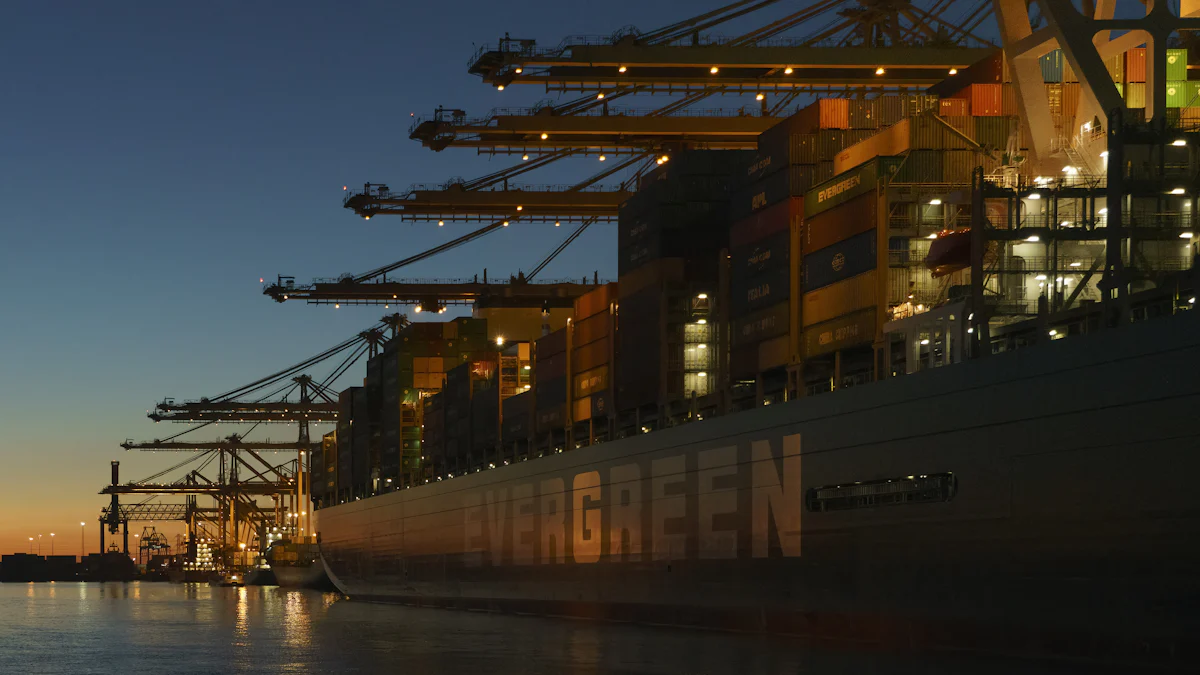
Globalization vs. Regionalization
Global trade has long been associated with globalization, where interconnected markets drive economic integration on a global scale. However, recent trends indicate a shift toward regionalization. Countries are increasingly prioritizing regional trade agreements and localized supply chains to enhance economic self-sufficiency. This transition stems from the need to mitigate risks posed by global disruptions, such as the COVID-19 pandemic. By focusing on regional partnerships, nations aim to reduce dependency on distant markets and improve their resilience to external shocks.
Regionalization also reflects a strategic move toward shorter supply chains. Businesses and governments recognize the vulnerabilities of extended global supply networks. For instance, disruptions in one region can ripple across the globe, causing delays and economic losses. Regional trade agreements, such as the African Continental Free Trade Area (AfCFTA), exemplify efforts to strengthen intra-regional trade. These agreements foster closer economic ties among neighboring countries, promoting stability and shared growth.
Supply Chain Realignments
The evolving dynamics of global trade have prompted significant realignments in supply chains. Companies are reevaluating their sourcing strategies to address vulnerabilities exposed by recent crises. Diversification has become a key priority. Businesses are seeking multiple suppliers across different regions to reduce reliance on a single source. This approach minimizes risks associated with geopolitical tensions, natural disasters, or pandemics.
Shorter supply chains are gaining traction as businesses strive for efficiency and reliability. By sourcing materials and manufacturing closer to end markets, companies can reduce transportation costs and lead times. For example, the Huizhou Zhongkai High-tech Zone in China has emerged as a hub for advanced manufacturing, attracting investments that support localized production. Such initiatives highlight the importance of regional hubs in fostering economic activity and supply chain resilience.
Governments play a crucial role in facilitating these realignments. Policy coordination and regional cooperation are essential to create an environment conducive to resilient supply chains. A recent APEC study emphasized the need for governments to strengthen infrastructure and streamline regulations. These measures enable businesses to adapt to changing trade dynamics while maintaining competitiveness.
Implications for Economic Resilience
The shift toward regionalization and supply chain realignments carries significant implications for economic resilience. By reducing dependence on global networks, countries can better withstand external shocks. Regional trade agreements and localized production hubs enhance stability, ensuring that economies remain functional during crises. This approach also fosters stronger relationships among neighboring nations, promoting collective growth and security.
However, achieving economic resilience requires careful planning and investment. Governments must prioritize infrastructure development to support efficient regional trade. Investments in technology and innovation are equally critical. Advanced digital tools, such as blockchain and artificial intelligence, can enhance supply chain transparency and efficiency. Policymakers should also address potential challenges, such as unequal benefits among regions or industries, to ensure inclusive growth.
In conclusion, the transition from globalization to regionalization reflects a strategic response to the complexities of modern trade. By embracing regional trade dynamics and realigning supply chains, countries can build more resilient economies. These efforts not only safeguard against future disruptions but also create opportunities for sustainable development.
Trade liberalization has reshaped regional economies, delivering both opportunities and challenges. It has driven economic growth, reduced consumer prices, and expanded market access. However, it has also widened income disparities and displaced workers in vulnerable sectors. Policymakers must balance trade policies with social protections to address these issues effectively.
To ensure equitable benefits, governments should prioritize inclusive strategies. Investments in education, infrastructure, and regional cooperation can foster sustainable development. By aligning trade policies with long-term goals, nations can create resilient economies that benefit all regions and communities.
See Also
Investigating Economic Advancement via Trade Transformation Strategies
Zhongkai High-tech Zone's Role in Trade Transformation
The Influence of Zhongkai High-tech Zone on Trade

Zhongkai High tech Zone National foreign trade transformation and Upgradi Base(Electronic Information)Cloud Platform.
Address: Zhongkai High-tech Zone,Huizhou City ,Guangdong,China
E-mail: huizhoueii@163.com 13510001271@163.com
Tel: +86-0752-3279220 Mobile: +86-13510001271

