What is the Role of Industry Clusters in Economic Growth


Industry clusters are groups of related industries concentrated in a specific region. These clusters include companies, suppliers, and institutions that create a competitive advantage. The significance of industry clusters in economic growth is immense. They boost local economies by fostering innovation and attracting investment. Silicon Valley exemplifies this with its tech firms and engineers driving technological advancements. Historically, clusters have steered regional development, offering local solutions and reducing travel times. The High-end Equipment Manufacturing Industry Cluster serves as a Regional Economic Growth Pole, enhancing competitiveness and supporting enterprise growth.
Understanding Industry Clusters
Definition and Characteristics
Industry clusters are groups of related businesses located in the same area. These clusters share resources, suppliers, and even customers. The key features of industry clusters include a concentration of specialized skills, shared infrastructure, and close proximity to suppliers and customers. Businesses within a cluster often collaborate, leading to increased innovation and efficiency.
Modern economies rely heavily on industry clusters. They boost productivity by allowing businesses to share knowledge and resources. Clusters also attract investment and talent, creating a thriving economic environment. For example, California's industry clusters, such as Hollywood and Napa Valley, have driven significant economic growth and innovation in the state.
Historical Development
The concept of industry clusters has evolved over time. Historically, clusters formed around natural resources or strategic locations. The origins of industry clusters can be traced back to the Industrial Revolution, when businesses began to concentrate in specific areas to take advantage of shared resources and labor pools.
Notable historical examples of industry clusters include Silicon Valley and Detroit. Silicon Valley became a hub for the integrated circuits industry, while Detroit emerged as the center of the automobile industry. Both regions experienced significant economic growth due to the clustering of related industries. Alabama's Automotive Hub is another success story, with major manufacturers like Mercedes-Benz, Honda, and Hyundai establishing plants, leading to job creation and economic development.
In North Carolina, industry clusters have developed in knowledge-based sectors like biotechnology and advanced manufacturing. These clusters have contributed to the growth of finance, life sciences, and automotive industries in the region. The evolution of industry clusters demonstrates their enduring importance in driving economic growth and innovation.
Impact on Economic Growth
Mechanisms of Influence
Innovation and collaboration
Industry clusters play a significant role in fostering innovation. Businesses within a cluster often work together, sharing ideas and resources. This collaboration leads to new products and services. Companies benefit from the proximity of suppliers and customers, which speeds up the innovation process. The exchange of knowledge and expertise among businesses enhances creativity and problem-solving.
Job creation and skill development
Industry clusters contribute to job creation. As businesses grow, they need more workers. This demand for labor creates employment opportunities. Clusters also promote skill development. Workers gain specialized skills by working in a concentrated industry environment. Training programs and workshops are often available, helping employees improve their abilities. This focus on skill development benefits both workers and employers.
Case Studies
Silicon Valley
Silicon Valley serves as a prime example of an industry cluster driving economic growth. The region became a hub for technology companies due to its concentration of talent and resources. Many tech firms emerged as spinoffs from existing companies. This phenomenon of organizational reproduction fueled the clustering of the tech industry. Silicon Valley's collaborative environment encouraged innovation and attracted investment. The presence of leading universities and research institutions further supported this growth.
Automotive industry in Detroit
Detroit's automotive industry illustrates the impact of industry clusters on economic development. The city became the center of automobile manufacturing in the early 20th century. Major car manufacturers established their operations in Detroit, creating a dense network of suppliers and related businesses. Organizational heredity played a crucial role, with new firms emerging from existing ones. This clustering led to job creation and economic prosperity. Detroit's automotive cluster also fostered skill development, as workers gained expertise in manufacturing and engineering.
High-end Equipment Manufacturing Industry Cluster as a Regional Economic Growth Pole

Role in Regional Development
The High-end Equipment Manufacturing Industry Cluster plays a vital role in boosting local economies. Businesses in this cluster often share resources and knowledge, which leads to increased productivity. This collaboration helps companies become more efficient and innovative. The cluster also attracts investment, which creates jobs and stimulates economic growth. Local communities benefit from the increased economic activity and job opportunities.
The cluster enhances competitiveness by fostering an environment where businesses can thrive. Companies in the cluster have access to specialized skills and infrastructure. This access allows them to produce high-quality products and services. The competitive environment encourages businesses to innovate and improve continuously. As a result, the region becomes more attractive to investors and skilled workers.
Specific Examples
Huizhou Zhongkai High-tech Zone
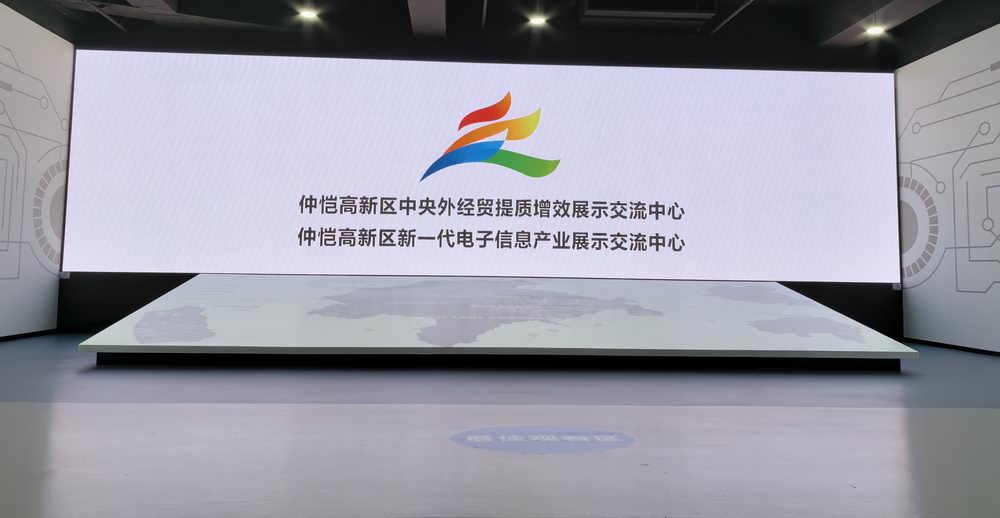
The Huizhou Zhongkai High-tech Zone stands out as a prime example of a successful industry cluster. The zone provides a supportive environment for businesses in the high-end equipment manufacturing sector. Companies in the zone benefit from shared resources and infrastructure. The zone's strategic location and access to skilled labor make it an attractive destination for businesses.
The National Foreign Trade Transformation and Upgrading Base (Electronic Information) Cloud Platform plays a crucial role in supporting enterprises in the Zhongkai High-tech Zone. The platform offers valuable resources and services to help businesses grow and succeed. Companies can access cutting-edge technology and data through the cloud platform. This access enables them to innovate and stay competitive in the global market.
National Foreign Trade Transformation and Upgrading Base
The National Foreign Trade Transformation and Upgrading Base serves as a key support system for businesses in the region. The base provides essential resources and services that help companies adapt to changing market conditions. Businesses can access training programs and workshops to enhance their skills and knowledge. These opportunities enable companies to improve their operations and remain competitive.
The base also fosters collaboration among businesses, suppliers, and institutions. This collaboration leads to new partnerships and innovative solutions. Companies can share ideas and resources, which helps them overcome challenges and seize new opportunities. The supportive environment created by the base contributes to the overall success of the High-end Equipment Manufacturing Industry Cluster.
Challenges and Opportunities
Current Challenges
Global competition
Global competition poses a significant challenge for industry clusters. Businesses face pressure from international markets. Open global markets and faster transportation have reduced the importance of location. Companies must innovate to stay competitive. Industry clusters need to adapt quickly. Businesses must leverage their proximity to each other. Collaboration can help overcome global competition.
Technological disruptions
Technological disruptions present another challenge. Rapid changes in technology can impact industries. Companies must keep up with new advancements. The technology industry evolves quickly, as seen in Silicon Valley. Businesses need to invest in research and development. Staying ahead of technological changes is crucial. Clusters must support innovation to remain relevant.
Future Opportunities
Emerging industries
Emerging industries offer exciting opportunities. New sectors create potential for growth. Industry clusters can tap into these opportunities. Businesses can diversify and expand their offerings. Clusters can attract new companies and talent. The diversity of industries can lead to innovation. A report on pharmaceutical research highlights this potential. Diverse research and manufacturing companies lead to more patents.
Policy implications
Policy implications play a crucial role in shaping opportunities. Governments can support industry clusters through policies. Incentives can encourage collaboration among businesses. Policies can foster a supportive environment for innovation. The Zhongkai High-tech Zone National Foreign Trade Transformation and Upgrading Base exemplifies this. The cloud platform supports enterprises in the zone. Businesses benefit from shared resources and infrastructure. This support helps companies grow and succeed.
Industry clusters drive economic growth by fostering innovation and collaboration. Businesses thrive when they connect within these vibrant ecosystems. The Huizhou Zhongkai High-tech Zone exemplifies this with its National Foreign Trade Transformation and Upgrading Base. This electronic information cloud platform provides essential support, helping companies innovate and compete globally. Future trends suggest more opportunities for clusters to adapt and grow. Emerging industries and strategic policies will shape the landscape. Industry clusters remain vital for regional development and resilience in an ever-evolving economy.
See Also
Development of Industry Clusters in Zhongkai High-tech Zone
Enhancing Industry Clusters at Zhongkai High-tech Zone
Stimulating Industry Growth at Huizhou's High-tech Zone

Zhongkai High tech Zone National foreign trade transformation and Upgradi Base(Electronic Information)Cloud Platform.
Address: Zhongkai High-tech Zone,Huizhou City ,Guangdong,China
E-mail: huizhoueii@163.com 13510001271@163.com
Tel: +86-0752-3279220 Mobile: +86-13510001271
