The Evolution of Technology Through History's Greatest Inventions


Technological advancement has consistently reshaped human existence, driving societies toward progress. From the earliest tools to modern innovations, each breakthrough has unlocked new possibilities. Today, over 4.95 billion people use the internet, showcasing its transformative impact on communication and information sharing. Mobile phones, with 7.33 billion users worldwide, have become indispensable. The rapid growth of 38.6 billion IoT-connected devices by 2025 highlights humanity's relentless pursuit of innovation. These milestones reflect how technology continues to evolve, making life more efficient and interconnected.
Key Takeaways
Technological advancements have consistently reshaped human existence, driving societies toward progress and connectivity.
The wheel, printing press, and steam engine are foundational inventions that revolutionized transportation, knowledge sharing, and industrial production.
The internet has transformed communication and commerce, connecting billions and enabling instant access to information.
Artificial Intelligence is redefining human potential by enhancing efficiency across various industries, from healthcare to retail. Artificial Intelligence
Blockchain technology ensures data security and transparency, revolutionizing sectors like finance and supply chain management.
Renewable energy innovations are crucial for combating climate change, promoting sustainability, and reducing reliance on fossil fuels. Renewable energy innovations
The journey of technological evolution reflects humanity's creativity and problem-solving abilities, with future innovations poised to address global challenges.
Foundational Technological Advancements: The Cornerstones of Civilization
The Wheel: A Turning Point in Transportation and Industry
The invention of the wheel marked a pivotal moment in human history. It transformed transportation, enabling people to move goods and travel more efficiently. Early wheels, crafted from solid wood, appeared around 3500 BCE in Mesopotamia. These simple yet ingenious devices laid the foundation for carts and wagons, which revolutionized trade and agriculture. Over time, the wheel's design evolved, incorporating spokes and metal rims to enhance durability and performance.
The wheel's impact extended beyond transportation. It became a cornerstone of industrial progress, powering innovations like the potter's wheel and later machinery during the Industrial Revolution. Despite its simplicity, the wheel's potential took centuries to fully realize. For instance, the wheelbarrow, invented in ancient China, emerged thousands of years after the wheel itself. This delay highlights how even straightforward ideas can take time to integrate into society. The wheel remains a symbol of human ingenuity and a testament to the enduring power of technological advancement.
The Printing Press: A Revolution in Knowledge Sharing
The printing press, invented by Johannes Gutenberg in the 1430s, revolutionized the dissemination of knowledge. Before its creation, books were laboriously copied by hand, making them expensive and rare. Gutenberg's press introduced movable type, allowing for the mass production of texts. This innovation drastically reduced the cost of books and made literature accessible to a broader audience.
The printing press played a crucial role in shaping modern society. It fueled the spread of ideas during the Renaissance and Reformation, empowering thinkers like Martin Luther to challenge established norms. Literacy rates soared as books became more affordable, fostering an era of intellectual growth. By democratizing knowledge, the printing press bridged social divides and laid the groundwork for future advancements in education and communication. Its legacy endures as one of history's most transformative inventions.
"The printing press is the greatest weapon in the armory of the modern commander." – T.E. Lawrence
Early Tools and Fire: The Origins of Human Ingenuity
Early tools and fire represent humanity's first steps toward technological mastery. Stone tools, dating back over 2.5 million years, enabled early humans to hunt, build shelters, and prepare food. These rudimentary implements showcased the ability to solve problems and adapt to changing environments. Over millennia, toolmaking techniques advanced, leading to sharper blades and more specialized instruments.
Fire, discovered around 1.7 million years ago, was another groundbreaking achievement. It provided warmth, protection, and a means to cook food, improving nutrition and health. Fire also fostered social interaction, as people gathered around flames to share stories and ideas. Together, tools and fire formed the bedrock of human progress, setting the stage for future innovations.
Agriculture further benefited from these early advancements. The moldboard plow, for example, revolutionized farming by enabling the cultivation of harder soils. This invention proved essential for agriculture in regions like northern Europe and the American Midwest. These early breakthroughs underscore humanity's capacity for creativity and problem-solving, paving the way for the complex technologies of today.
Industrial Revolution Technological Advancements: The Age of Mechanization
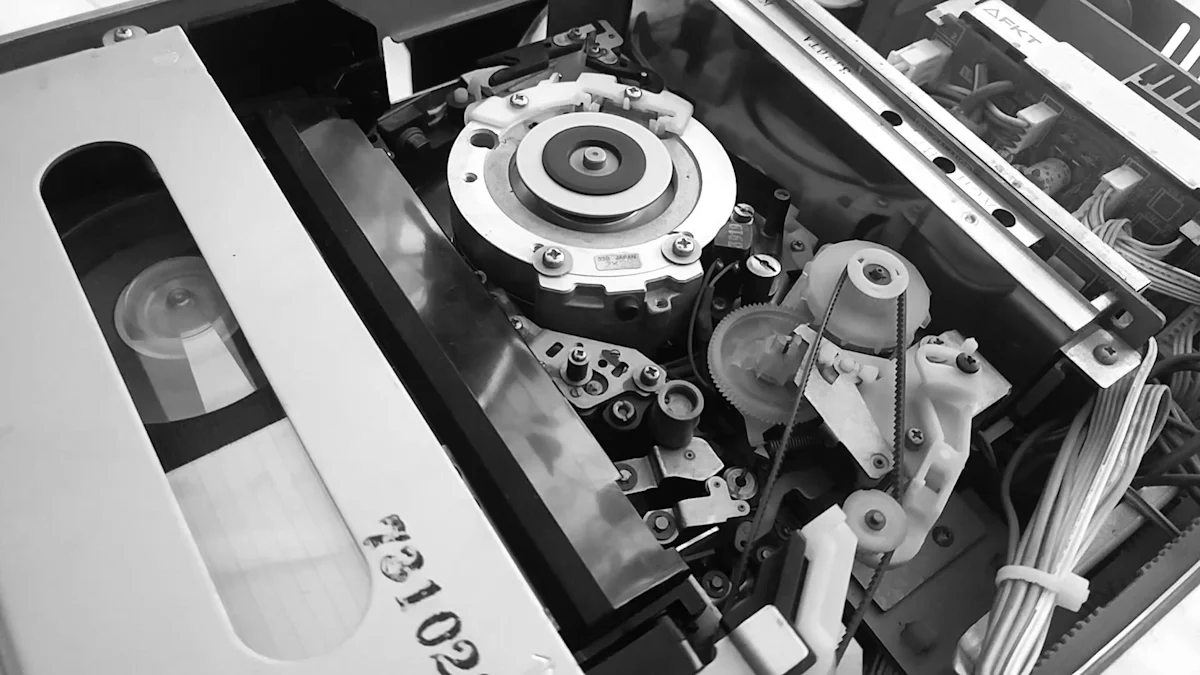
The Steam Engine: Driving Industrial Progress
The steam engine emerged as a transformative force during the Industrial Revolution. Invented by Thomas Newcomen in 1712 and later refined by James Watt, it became a cornerstone of industrial progress. This invention harnessed steam power to perform mechanical work, revolutionizing industries and transportation.
Factories adopted steam engines to power machinery, increasing production efficiency and enabling mass manufacturing. The textile industry, in particular, experienced significant growth due to this innovation. Steam engines also played a pivotal role in transportation. Railroads expanded rapidly, connecting cities and facilitating the movement of goods and people. Ships powered by steam engines replaced traditional sailing vessels, reducing travel time across oceans.
The steam engine's impact extended beyond industry. It symbolized humanity's ability to harness natural forces for technological advancement. By driving economic growth and reshaping societies, it laid the groundwork for modern industrialization.
Electricity: Powering the Modern World
Electricity transformed the world during the late 19th century. Innovators like Thomas Edison and Nikola Tesla pioneered its practical applications, making it accessible for everyday use. This energy source revolutionized industries, homes, and communication systems.
Factories utilized electricity to power machines, replacing steam and manual labor. This shift enabled more efficient production methods and reduced reliance on fossil fuels. Urban areas adopted electric lighting, improving safety and extending productive hours. Electricity also facilitated the development of new technologies, including the telephone and radio, which reshaped communication.
The widespread adoption of electricity marked a turning point in human history. It became the foundation for countless innovations, from household appliances to advanced computing systems. By powering the modern world, electricity continues to drive progress and improve quality of life.
The Telegraph and Telephone: Bridging Communication Gaps
The telegraph and telephone revolutionized long-distance communication during the Industrial Revolution. Samuel Morse introduced the telegraph in 1837, enabling messages to travel across vast distances almost instantly. This invention transformed industries like journalism, commerce, and military operations by providing rapid information exchange.
The telephone, invented by Alexander Graham Bell in 1876, further advanced communication. Unlike the telegraph, it allowed people to speak directly, fostering personal and professional connections. Businesses adopted telephones to streamline operations, while families used them to maintain relationships across distances.
These technologies bridged communication gaps and reshaped society. They enabled command and control over larger territories, fostering globalization and economic growth. By connecting people and ideas, the telegraph and telephone paved the way for modern communication networks.
20th Century Technological Advancements: The Digital Revolution

The Personal Computer: Transforming Work and Creativity
The personal computer redefined how individuals approached work and creativity. Introduced during the mid-20th century, it transitioned computing from large, inaccessible machines to compact devices suitable for homes and offices. Innovators like Steve Jobs and Bill Gates played pivotal roles in making personal computers widely available. These devices empowered users to perform complex tasks such as word processing, data analysis, and graphic design with unprecedented ease.
Personal computers revolutionized industries by enhancing productivity and enabling remote work. Businesses adopted them to streamline operations, while educational institutions integrated them into classrooms to improve learning experiences. Creative professionals embraced personal computers for tasks like video editing and digital art, unlocking new avenues for artistic expression. The rise of software applications further expanded their utility, making them indispensable tools in modern life.
The personal computer's impact extended beyond professional settings. It introduced gaming as a mainstream form of entertainment and fostered the development of online communities. By bridging the gap between technology and everyday life, the personal computer became a cornerstone of the digital revolution.
The Internet: Connecting the World
The internet emerged as one of the most transformative technological advancements of the 20th century. Initially developed as a military communication tool, it evolved into a global network connecting billions of people. By the late 1990s, the internet had become a vital part of daily life, reshaping communication, commerce, and education.
The internet enabled instant access to information, revolutionizing knowledge acquisition. Search engines like Google allowed users to find answers to questions within seconds, while online libraries and databases supported academic research. Social media platforms connected individuals across continents, fostering cultural exchange and collaboration. E-commerce platforms like Amazon transformed shopping by offering convenience and accessibility.
Businesses leveraged the internet to reach global audiences, creating opportunities for startups and entrepreneurs. Governments utilized it to improve public services and enhance transparency. The internet also played a crucial role in scientific research, enabling interdisciplinary collaboration and efficient data sharing. Its ability to connect people and ideas continues to drive innovation and societal progress.
"The internet is becoming the town square for the global village of tomorrow." – Bill Gates
Space Exploration: Pushing the Boundaries of Innovation
Space exploration represented humanity's ambition to push beyond Earth's boundaries. The mid-20th century witnessed groundbreaking achievements, including the launch of Sputnik 1 in 1957 and the Apollo 11 moon landing in 1969. These milestones showcased the potential of technological advancement to achieve what once seemed impossible.
Governments and private companies invested heavily in space exploration to advance scientific understanding and develop new technologies. Satellites revolutionized communication, weather forecasting, and navigation systems. Space telescopes like the Hubble Space Telescope provided insights into the universe's origins, inspiring generations of scientists and engineers.
The space race also spurred innovations that benefited everyday life. Technologies such as memory foam, water purification systems, and satellite-based GPS originated from space programs. Today, companies like SpaceX and Blue Origin aim to make space travel more accessible, paving the way for future exploration and potential colonization of other planets.
Space exploration symbolizes humanity's relentless pursuit of knowledge and progress. It demonstrates how technological advancements can expand horizons and inspire collective efforts to overcome challenges.
Modern Era Technological Advancements: Shaping the Future
Artificial Intelligence: Redefining Human Potential
Artificial Intelligence (AI) has emerged as a transformative force in the modern era. By simulating human intelligence, AI enables machines to perform tasks such as decision-making, problem-solving, and language processing. Industries like healthcare, transportation, and retail have embraced AI to enhance efficiency and innovation. For instance, virtual assistants streamline customer service, while autonomous robots revolutionize manufacturing processes.
AI's ability to process vast amounts of data has also reshaped research and development. Social scientists now leverage digital tools powered by AI to analyze human behavior and societal trends. This approach accelerates data collection and improves the accuracy of insights. Moreover, AI-driven technologies like image recognition and natural language processing have become integral to everyday life, from facial recognition systems to personalized recommendations on streaming platforms.
Despite its rapid growth, AI requires human intelligence to guide its development responsibly. Researchers emphasize the importance of ethical considerations to ensure AI benefits society. By redefining human potential, AI continues to drive technological advancement and unlock new possibilities for innovation.
Blockchain Technology: Securing Trust in the Digital Age
Blockchain technology has revolutionized how data is stored and shared. This decentralized system records transactions across multiple computers, ensuring transparency and security. Initially developed for cryptocurrencies like Bitcoin, blockchain now finds applications in various sectors, including finance, healthcare, and supply chain management.
In finance, blockchain eliminates intermediaries, reducing transaction costs and increasing efficiency. Smart contracts, powered by blockchain, automate agreements between parties, minimizing disputes and delays. In healthcare, blockchain secures patient records, ensuring data integrity and privacy. Supply chains benefit from blockchain's ability to track goods in real time, enhancing accountability and reducing fraud.
Blockchain's potential extends beyond these applications. Governments explore its use for secure voting systems, while researchers investigate its role in combating counterfeit goods. By fostering trust in the digital age, blockchain technology addresses critical challenges and paves the way for a more transparent and efficient future.
Renewable Energy: Innovating for a Sustainable Planet
Renewable energy has become a cornerstone of efforts to combat climate change and reduce reliance on fossil fuels. Technologies like solar panels, wind turbines, and hydroelectric systems harness natural resources to generate clean energy. These innovations contribute to a sustainable planet by lowering greenhouse gas emissions and promoting energy independence.
Advancements in battery technology have further accelerated the adoption of renewable energy. Radically cheaper and more efficient batteries enable better storage of energy from intermittent sources like wind and solar power. This development ensures a consistent energy supply, even during periods of low generation. Electric vehicles, powered by renewable energy, represent another significant step toward a cleaner-energy economy.
Governments and private companies invest heavily in renewable energy projects to meet global sustainability goals. Wind farms and solar installations continue to expand, providing affordable and eco-friendly energy solutions. By driving technological advancement in this field, renewable energy innovations play a vital role in shaping a greener future.
The journey of technological advancement showcases humanity's boundless creativity and problem-solving abilities. Each invention builds upon its predecessors, driving progress and reshaping society in profound ways. From the wheel to artificial intelligence, these milestones reflect the deep connection between human ingenuity and technological evolution.
"Technology shapes our world and defines human identity, offering possibilities for designing a better future."
As technology continues to evolve, its potential remains limitless. Future innovations promise to address global challenges and improve lives. The story of technological evolution is far from over, with the next transformative breakthrough always on the horizon.
See Also
Zhongkai High-tech Zone: Leading Change in Electronics Sector
Zhongkai High-tech Zone: Transforming the Electronic Information Landscape
Innovations Driving Growth in Huizhou's Zhongkai High-tech Zone

Zhongkai High tech Zone National foreign trade transformation and Upgradi Base(Electronic Information)Cloud Platform.
Address: Zhongkai High-tech Zone,Huizhou City ,Guangdong,China
E-mail: huizhoueii@163.com 13510001271@163.com
Tel: +86-0752-3279220 Mobile: +86-13510001271
