Technology Business Incubators Boost Economic Growth

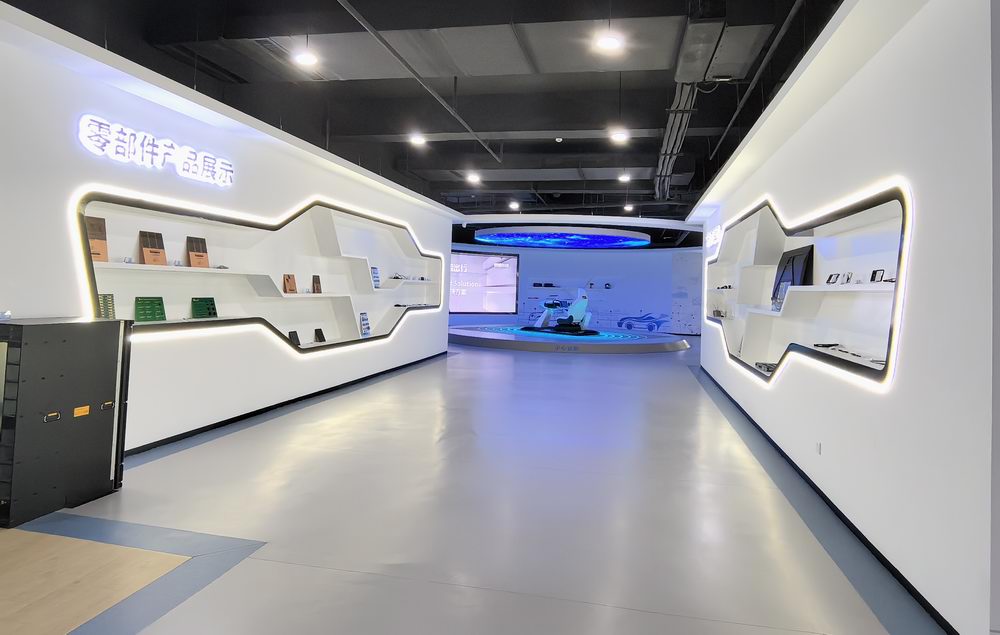
Technology Business Incubators act as the core engine of the economic industry. These incubators equip startups with crucial resources and mentorship. According to the National Business Incubator Association, 87% of startups supported by a Technology Business Incubator survive after five years, nearly doubling the success rate of those that operate independently. This remarkable success rate underscores the importance of fostering entrepreneurship. More than 85% of businesses launched through a Technology Business Incubator continue to thrive, highlighting their pivotal role in economic growth. By nurturing innovation and offering support, Technology Business Incubators significantly enhance local economies and propel technological advancements.
Understanding Technology Business Incubators
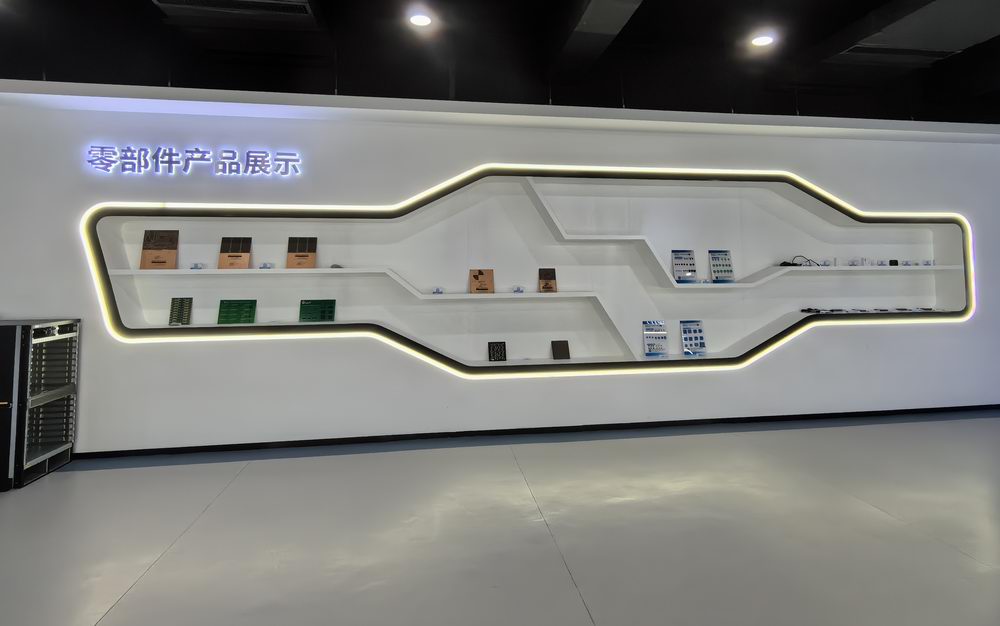
Definition and Purpose
What are technology business incubators?
Technology Business Incubators serve as nurturing grounds for startups. These incubators offer a supportive environment that boosts the chances of success for new businesses. By providing essential resources, Technology Business Incubators help startups navigate the challenging early stages. The National Business Incubator Association reports that 87% of startups supported by these incubators survive after five years. This figure nearly doubles the success rate of startups operating independently. Such statistics highlight the vital role of Technology Business Incubators in fostering entrepreneurship.
Key objectives and goals
The primary goal of a Technology Business Incubator is to support startups in their growth journey. These incubators aim to create a thriving ecosystem where innovation can flourish. By offering office space, professional services, and strategic advice, Technology Business Incubators give startups a leg up on success. The focus often lies on technology sectors like IT, biotechnology, and speech technology. This targeted approach ensures that startups receive tailored support, enhancing their potential for success.
Role in Entrepreneurship
Supporting startups
Technology Business Incubators play a crucial role in supporting startups. These incubators provide a platform where young businesses can thrive. Startups gain access to a network of industry experts and mentors who guide them through various challenges. The support system within a Technology Business Incubator helps startups build capabilities and form valuable connections. University-based incubators, for example, assist high-tech startups in accessing resources and forming networks. This support significantly boosts the growth prospects of participating firms.
Providing resources and mentorship
Mentorship and resources form the backbone of any Technology Business Incubator. Startups benefit from expert guidance and access to essential tools. Incubators offer office spaces, professional services, and strategic advice to help startups succeed. Multinational companies like AstraZeneca and Volvo have set up corporate incubators to foster innovation and growth. These incubators stimulate technological advancements and drive economic development. The combination of resources and mentorship creates an environment where startups can flourish.
Technology Business Incubators as Core Engines of Economic Industry
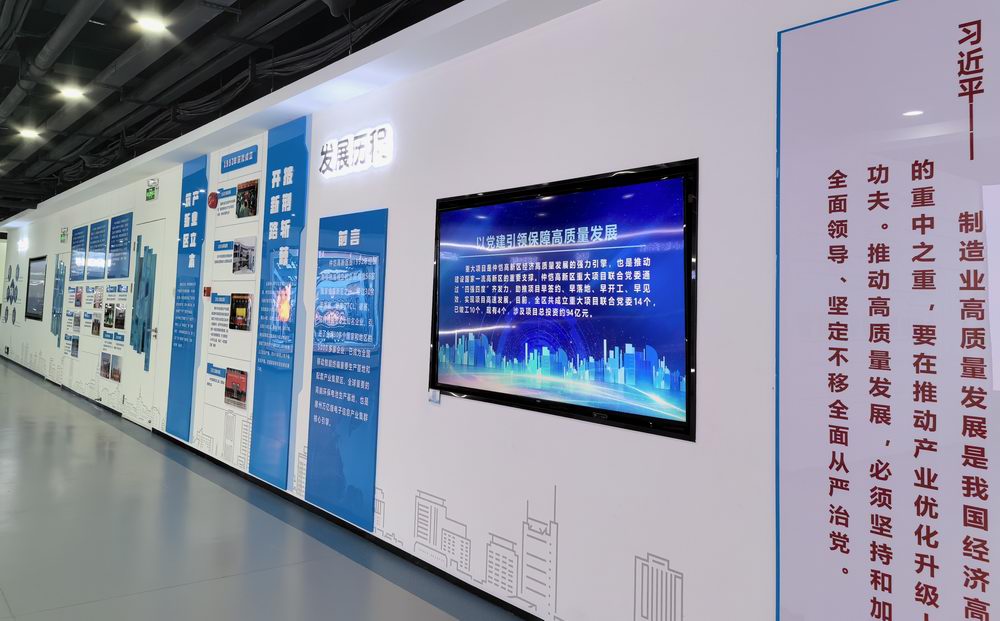
Technology Business Incubators truly act as the core engine of economic industry. These incubators do more than just support startups; they drive significant economic growth. Let's dive into how they make such a big impact.
Contributions to Economic Growth
Job Creation
Technology Business Incubators create jobs by helping startups succeed. Startups in incubators have an impressive survival rate of 87% after five years. This success leads to more job opportunities. More jobs mean a stronger economy. Incubators help businesses grow, which boosts employment in local communities. The presence of these incubators often results in high-quality job creation.
Attracting Investments
Investors love successful startups. Technology Business Incubators attract investments by increasing startup success rates. Businesses in incubators receive more services and support. This makes them more appealing to investors. The core engine of economic industry thrives on this influx of capital. More investments lead to further growth and innovation.
Stimulating Local Economies
Local economies benefit greatly from Technology Business Incubators. Startups that thrive tend to stay in the same community. About 84% of incubated startups remain in their original location. This retention strengthens local economies. The core engine of economic industry gets a boost from these thriving businesses. Local communities see increased economic activity and development.
Technology Business Incubators play a crucial role in driving economic growth. They serve as the core engine of economic industry by creating jobs, attracting investments, and stimulating local economies. Their impact is profound and lasting.
Importance of Cluster-Focused Incubators
Cluster-focused incubators play a vital role in the success of startups. These incubators create interconnected business ecosystems that enhance collaboration and innovation.
Creating Interconnected Business Ecosystems
Benefits of clustering
Clustering brings businesses together in one location. This setup boosts productivity and innovation. Silicon Valley and Hollywood serve as prime examples. Companies in these clusters thrive by sharing ideas and resources. Technology Business Incubators within clusters provide startups with access to networks and expertise. This environment fosters growth and success.
Examples of successful clusters
Successful clusters exist worldwide. The biotech, cleantech, and ICT sectors in the Canton of Zurich highlight this success. These clusters facilitate rapid knowledge exchange. Trust builds through proximity, leading to global recognition. In the Washington-Baltimore Corridor, business and technology incubators generate significant economic impact. Texas incubators concentrate in metropolitan areas, supporting local entrepreneurs.
Fostering Innovation and Collaboration
Encouraging partnerships
Partnerships drive innovation. Technology Business Incubators encourage startups to collaborate. Corporate incubators from companies like AstraZeneca and Volvo leverage assets to explore new growth areas. These partnerships fuel innovation and foster an entrepreneurial mindset. Startups benefit from shared insights and resources.
Sharing knowledge and resources
Knowledge sharing is key to success. Technology Business Incubators provide platforms for startups to exchange ideas. Resources become more accessible within clusters. This sharing leads to technological advancements. Startups gain a competitive edge through collaboration. The supportive environment nurtures creativity and growth.
Cluster-focused incubators create thriving business ecosystems. These environments encourage partnerships and knowledge sharing. Technology Business Incubators within clusters drive innovation and economic growth. Startups flourish in these interconnected spaces.
Technology Business Incubators have a profound impact on economic development. These incubators provide essential resources and mentorship, which significantly increase the success rate of startups. Tracy Kitts, former COO of the National Business Incubation Association, emphasizes the increased success rates for businesses starting in incubators. Entrepreneurs benefit from vibrant settings that foster collaboration and innovation. Policymakers and entrepreneurs should support incubator initiatives to harness these benefits. Encouraging more Technology Business Incubator programs will drive economic growth and innovation. The future of entrepreneurship looks promising with the continued support of these incubators.
See Also
Maximizing Growth Potential in High-tech Zones
Huizhou's Tech Zone: Fueling Industry Expansion
Huizhou's Zhongkai Tech Zone Boosting Economic Development

Zhongkai High tech Zone National foreign trade transformation and Upgradi Base(Electronic Information)Cloud Platform.
Address: Zhongkai High-tech Zone,Huizhou City ,Guangdong,China
E-mail: huizhoueii@163.com 13510001271@163.com
Tel: +86-0752-3279220 Mobile: +86-13510001271
