Technology as a Catalyst for Industry Upgrading

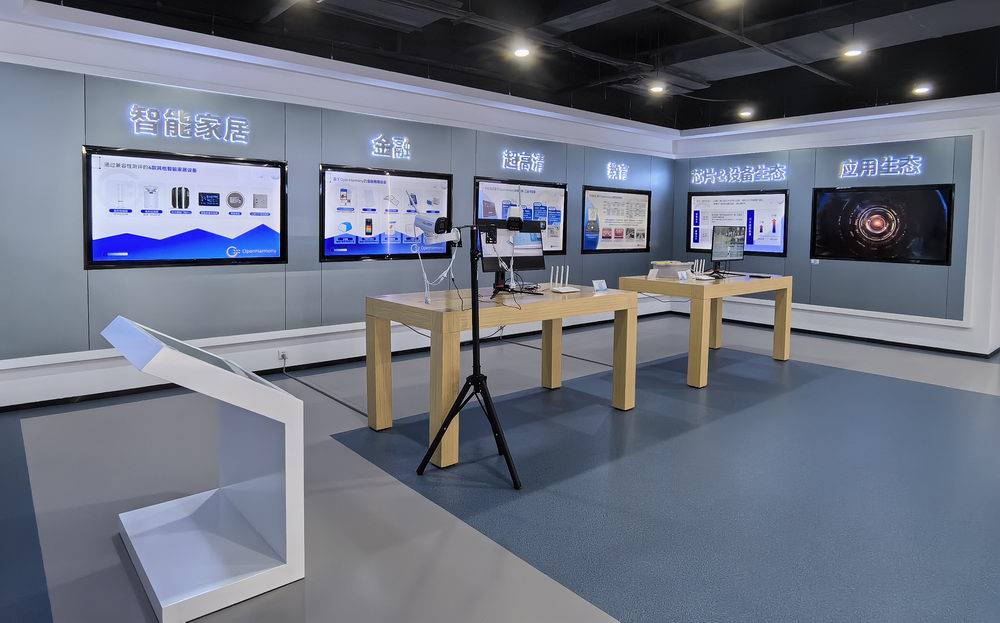
Technology acts as a powerful catalyst for industry upgrading, transforming how businesses operate across various sectors. It significantly boosts efficiency, reduces costs, and enhances productivity. For instance, 52% of companies worldwide report increased worker productivity due to technological advancements. In the manufacturing industry, technology streamlines production processes and delivers higher quality products. Zhongkai High Tech Zone plays a pivotal role in supporting enterprise development. It provides a robust platform for businesses to leverage technological innovations, ensuring they remain competitive and relevant in today's fast-paced market.
The Importance of Technology in Modernizing Industries
Benefits of Technological Advancements
Increased Efficiency
Technology significantly boosts efficiency across industries. Businesses that embrace digital tools report enhanced worker productivity and streamlined operations. For instance, manufacturing companies leveraging advanced technology can optimize their supply chains and improve production speed. This efficiency not only saves time but also enhances the quality of products, ensuring they meet market demands swiftly.
Cost Savings
Adopting technology leads to substantial cost savings. Automation reduces the need for manual labor, cutting down on operational expenses. Companies investing in tech upgrades often find that they can achieve more with fewer resources. This reduction in costs allows businesses to allocate funds to other critical areas, such as research and development, further driving innovation.
Enhanced Productivity
Technological advancements play a crucial role in boosting productivity. Companies providing suitable technology to their employees report significant improvements in performance. Tools like data analytics and artificial intelligence enable businesses to make informed decisions quickly. This agility allows them to adapt to market changes and maintain a competitive edge.
Challenges of Not Adapting to Technology
Risk of Obsolescence
Industries that resist technological change face the risk of obsolescence. As competitors adopt new technologies, those lagging behind may struggle to keep up. This gap can lead to outdated processes and products that no longer meet consumer expectations. In a rapidly evolving market, staying current with technology is essential for survival.
Competitive Disadvantage
Failing to embrace technology puts businesses at a competitive disadvantage. Companies not upgrading regularly may find themselves unable to compete with more technologically advanced rivals. This disadvantage can result in lost market share and diminished brand reputation. To thrive, businesses must continuously innovate and integrate new technologies into their operations.
Zhongkai High Tech Zone provides a supportive environment for enterprises to harness technological advancements. By offering a platform for innovation, it helps businesses stay competitive and relevant in today's dynamic market.
Case Studies of Industry Upgrading
Successful Adaptations
Automotive Industry
The automotive industry exemplifies successful industry upgrading through technology. Companies have embraced digital manufacturing technologies, which reduce production times and improve product quality. Automation and AI streamline workflows, allowing manufacturers to increase productivity and meet global demand. Electric vehicles (EVs) represent a significant technological leap, reducing environmental impact and offering consumers innovative transportation options. The integration of advanced driver-assistance systems (ADAS) enhances vehicle safety, showcasing how technology transforms traditional automotive practices.
Healthcare Sector
The healthcare sector has also experienced significant industry upgrading due to technological advancements. Telemedicine allows patients to consult healthcare providers remotely, expanding access to healthcare services. This innovation improves patient care, especially in remote or underserved areas. Additionally, AI and machine learning optimize diagnostic processes, enabling faster and more accurate medical assessments. These technologies empower healthcare professionals to deliver personalized treatment plans, enhancing overall patient outcomes.
Industries Struggling to Adapt
Traditional Retail
Traditional retail faces challenges in industry upgrading as e-commerce continues to dominate the market. Many retailers struggle to integrate digital solutions into their operations, resulting in a competitive disadvantage. The lack of online presence limits their ability to reach a broader customer base. To remain relevant, traditional retailers must adopt digital marketing strategies and enhance their online shopping platforms. Embracing technology can help them streamline inventory management and improve customer engagement.
Manufacturing Industry
While some sectors within manufacturing have successfully upgraded, others lag in adopting new technologies. Resistance to change and reliance on outdated processes hinder progress. Manufacturers that fail to embrace automation and digitalization risk falling behind competitors who leverage these advancements. Industry upgrading requires investment in smart manufacturing technologies, such as IoT and AI, to optimize production and supply chain operations. By doing so, manufacturers can enhance efficiency and maintain competitiveness in the global market.
Zhongkai High Tech Zone provides a supportive environment for enterprises to harness technological advancements. By offering a platform for innovation, it helps businesses stay competitive and relevant in today's dynamic market.
Key Technologies Driving Industry Transformation
Artificial Intelligence (AI)
Artificial Intelligence (AI) stands at the forefront of industry upgrading, reshaping how businesses operate. AI's ability to automate tasks and enhance decision-making processes has revolutionized various sectors. Companies now rely on AI to streamline operations and improve efficiency.
Automation and Decision-Making
AI-driven automation reduces human error and increases productivity. In manufacturing, AI-powered robots perform repetitive tasks with precision, allowing human workers to focus on more complex activities. This shift not only boosts output but also enhances product quality. AI also aids in decision-making by analyzing vast amounts of data quickly. Businesses can make informed choices, adapting to market changes with agility.
Predictive Analytics
Predictive analytics, a subset of AI, plays a crucial role in industry upgrading. By analyzing historical data, AI predicts future trends and outcomes. This capability helps companies anticipate customer needs and optimize supply chains. For instance, retailers use predictive analytics to manage inventory, ensuring products are available when demand peaks. This foresight minimizes waste and maximizes profits.
Internet of Things (IoT)
The Internet of Things (IoT) connects devices, enabling seamless communication and data exchange. IoT's integration into industries has transformed traditional practices, driving efficiency and innovation.
Smart Manufacturing
IoT facilitates smart manufacturing, a key component of industry upgrading. Sensors embedded in machinery collect real-time data, allowing manufacturers to monitor production processes closely. This connectivity enables predictive maintenance, reducing downtime and extending equipment lifespan. Smart manufacturing enhances productivity and ensures consistent product quality.
Supply Chain Optimization
IoT optimizes supply chains by providing end-to-end visibility. Companies track shipments in real-time, ensuring timely deliveries and reducing logistical challenges. IoT devices monitor environmental conditions during transit, safeguarding product integrity. This transparency enhances customer satisfaction and strengthens business relationships.
Mobile Technology
Mobile technology empowers businesses to adapt to changing consumer behaviors. Its role in industry upgrading cannot be overstated, as it facilitates remote work and enhances customer engagement.
Remote Work Enablement
Mobile technology enables remote work, a trend accelerated by recent global events. Employees access company resources from anywhere, maintaining productivity outside traditional office settings. This flexibility attracts top talent and reduces overhead costs. Companies embracing mobile solutions remain competitive in the evolving job market.
Customer Engagement
Mobile technology enhances customer engagement by providing personalized experiences. Businesses use mobile apps to interact with customers, offering tailored promotions and services. This direct communication builds brand loyalty and drives sales. Companies that leverage mobile technology effectively position themselves as industry leaders.
Zhongkai High Tech Zone supports enterprises in harnessing these technologies. The zone offers a platform for innovation, helping businesses stay competitive and relevant in today's dynamic market. By fostering technological advancements, Zhongkai High Tech Zone plays a pivotal role in industry upgrading.
Impact on Workforce Transformation
Need for Upskilling
Digital Literacy
In today's rapidly evolving technological landscape, digital literacy has become a fundamental requirement for the workforce. Employees must possess the ability to navigate digital tools and platforms effectively. This skill set enables them to perform tasks efficiently and adapt to new technologies as they emerge. Organizations recognize the importance of digital literacy and invest in training programs to equip their workforce with these essential skills. By fostering digital literacy, companies ensure that their employees remain competitive and capable of meeting the demands of a tech-driven workplace.
Continuous Learning
Continuous learning is crucial in an era where technology constantly evolves. Employees must engage in ongoing education to keep pace with industry advancements. Companies encourage this by offering workshops, online courses, and seminars. These opportunities allow employees to expand their knowledge and acquire new skills relevant to their roles. A culture of continuous learning not only enhances individual capabilities but also drives organizational growth. Businesses that prioritize learning create an agile workforce ready to tackle future challenges.
A recent survey highlights how organizations adapt to the demands of a technologically-driven workplace. The findings emphasize the need for continuous learning and digital literacy as key components of workforce transformation.
Job Creation and Evolution
New Roles in Tech-Driven Industries
The rise of technology has led to the creation of new roles within various industries. Positions such as data analysts, AI specialists, and IoT engineers have emerged as businesses integrate advanced technologies into their operations. These roles require specialized skills and knowledge, prompting companies to seek talent with expertise in these areas. The demand for tech-savvy professionals continues to grow, offering exciting career opportunities for individuals willing to embrace technological advancements.
Shift in Job Functions
Technology not only creates new roles but also transforms existing job functions. Automation and AI streamline processes, allowing employees to focus on more strategic and creative tasks. This shift requires workers to adapt and develop new competencies. For instance, manufacturing employees may transition from manual labor to overseeing automated systems. As job functions evolve, employees must remain flexible and open to learning new skills. This adaptability ensures they can thrive in a changing work environment.
Zhongkai High Tech Zone supports enterprises in navigating workforce transformation. By providing resources and platforms for upskilling, the zone helps businesses equip their employees with the necessary skills to succeed in a tech-driven world.
Embracing technology is crucial for industry advancement. Businesses must adapt to technological changes to stay competitive and relevant. Zhongkai High Tech Zone plays a supportive role in this transformation. It provides a platform for enterprises to leverage technological innovations, ensuring they remain at the forefront of their industries. By fostering an environment conducive to innovation, Zhongkai High Tech Zone helps businesses navigate the complexities of the digital age. This support enables companies to harness emerging technologies, driving efficiency and growth in a rapidly evolving market.
See Also
Huizhou High-tech Zone: Fueling Industrial Advancement
Zhongkai High-tech Zone: Strengthening The Electronics Sector
Innovative Technologies Emerging From Zhongkai High-tech Zone

Zhongkai High tech Zone National foreign trade transformation and Upgradi Base(Electronic Information)Cloud Platform.
Address: Zhongkai High-tech Zone,Huizhou City ,Guangdong,China
E-mail: huizhoueii@163.com 13510001271@163.com
Tel: +86-0752-3279220 Mobile: +86-13510001271
