Top 10 Gadgets That Feel Straight Out of the Future

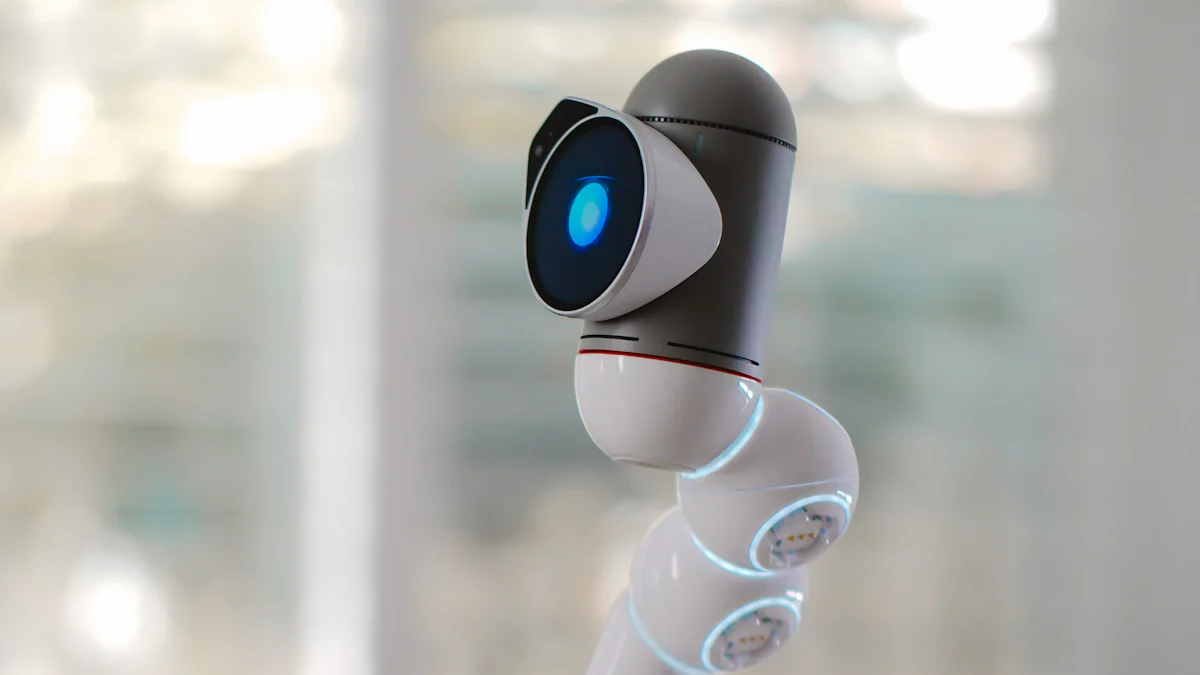
Futuristic gadgets captivate with their potential to redefine daily life. These innovations bridge imagination and reality, offering tools that enhance efficiency, connectivity, and convenience. From wearable health tech to advanced AI systems, they demonstrate how technology evolves to meet human needs. The global market for foldable displays, for instance, is projected to grow at an impressive 69.90% CAGR, reflecting the demand for cutting-edge solutions. As future technology continues to advance, it reshapes human interaction, fostering a world where possibilities seem limitless.
Key Takeaways
Smart contact lenses integrate augmented reality and health monitoring, enhancing daily life with real-time information and medical insights.
AI-powered smart mirrors revolutionize personal grooming and fitness by offering virtual try-ons and personalized health tracking.
Foldable and rollable displays provide flexibility and durability, transforming the design of portable devices and enhancing user experience.
Autonomous delivery robots streamline logistics by efficiently navigating urban environments and ensuring secure package delivery.
Wearable health tech empowers individuals with real-time health monitoring and AI-driven insights, promoting proactive health management.
3D-printed food machines allow for customizable meals and sustainable food production, addressing dietary needs and global food security.
Brain-computer interfaces (BCIs) enable direct communication between the brain and devices, offering new possibilities for individuals with disabilities and enhancing gaming experiences.
1. Smart Contact Lenses: A Glimpse into Future Technology
Features and Capabilities
Augmented reality (AR) integration for real-time information.
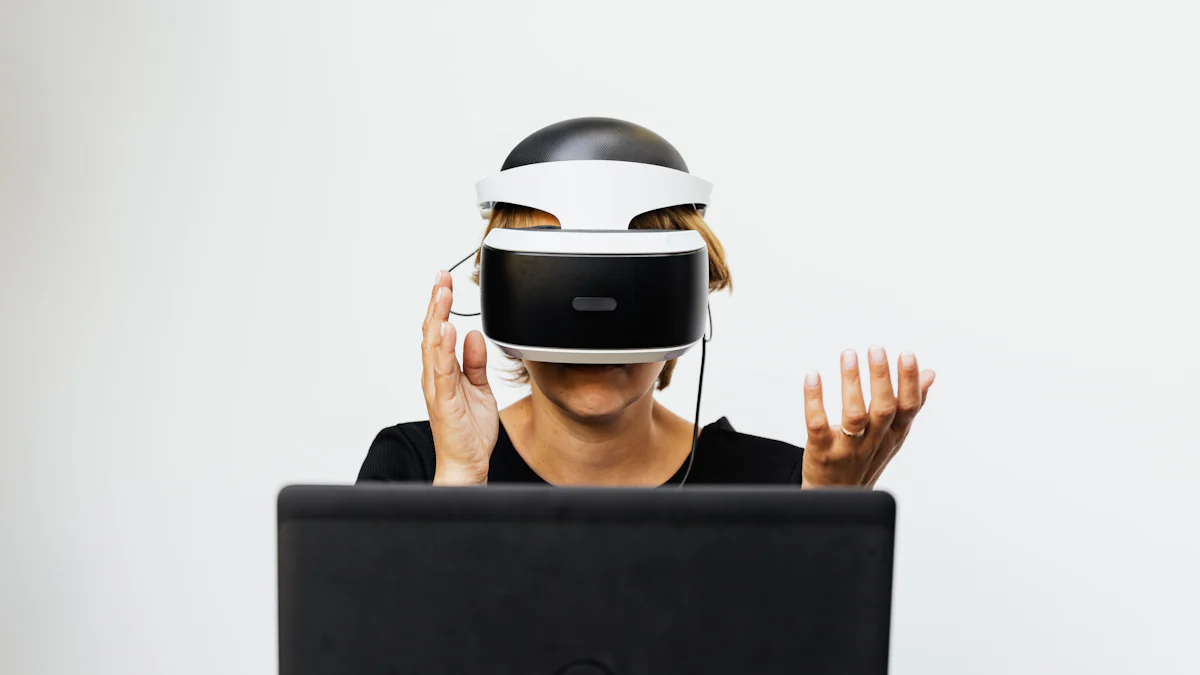
Smart contact lenses redefine how individuals interact with their surroundings. By integrating augmented reality (AR), these lenses project real-time information directly into the wearer’s field of vision. Users can access navigation directions, weather updates, or even breaking news without needing external devices. This seamless overlay of digital data onto the physical world enhances convenience and efficiency in daily life.
Health monitoring capabilities, such as glucose levels.
Beyond visual enhancements, smart contact lenses serve as powerful health monitoring tools. Equipped with advanced sensors, they track critical metrics like glucose levels, offering a non-invasive solution for individuals managing diabetes. These lenses also monitor other health indicators, providing real-time feedback that empowers users to make informed decisions about their well-being.
Real-World Applications
Enhancing vision with AR overlays for navigation or translation.
The practical applications of AR-enabled smart contact lenses are vast. Travelers can use these lenses to navigate unfamiliar cities with step-by-step directions displayed in their line of sight. Language barriers become less daunting as the lenses provide instant translations of text or speech, fostering smoother communication in diverse environments. This innovation transforms how people explore and interact with the world.
Medical applications for managing chronic conditions.
In healthcare, smart contact lenses offer groundbreaking solutions for managing chronic conditions. For individuals with ocular diseases, these lenses enable targeted drug delivery, ensuring precise treatment. Patients with diabetes benefit from continuous glucose monitoring, reducing the need for frequent finger pricks. By combining convenience with cutting-edge technology, these lenses improve quality of life and support proactive health management.
Product Highlight: Smart contact lenses merge traditional corrective lens functionality with modern electronic capabilities. They not only enhance vision but also provide health insights and AR experiences, making them a cornerstone of future technology.
2. AI-Powered Smart Mirrors: Revolutionizing Daily Routines
Features and Capabilities
Virtual try-on for clothing and makeup.
AI-powered smart mirrors redefine personal grooming by offering virtual try-on features for clothing and makeup. These mirrors use advanced sensors and augmented reality to project realistic overlays of outfits or cosmetic products onto the user’s reflection. This capability allows individuals to experiment with styles and colors without physically trying them on, saving time and effort. Retailers also benefit by providing customers with a more interactive and engaging shopping experience.
Expert Testimony:
"Smart mirrors are interactive devices that incorporate AI, touchscreens, and various sensors to provide users with more than just a reflection. These mirrors can display information, offer personalized recommendations, and connect to other smart home devices."
Personalized health and fitness tracking.
AI integration in smart mirrors extends beyond beauty to health and fitness. These devices analyze user data to deliver tailored workout routines and health insights. By tracking movements and providing real-time feedback, they ensure proper form during exercises, reducing the risk of injury. Users can monitor their progress through metrics displayed directly on the mirror, creating a seamless and motivating fitness experience.
Expert Testimony:
"Thanks to AI, the Smart Mirror offers personalized workout routines based on your fitness level, goals, and preferences. It meticulously tracks your movements, corrects your form, and gives real-time feedback, ensuring you get the most out of your workout sessions."
Real-World Applications
Revolutionizing the beauty and fashion industries.
AI-powered smart mirrors are transforming the beauty and fashion sectors. In retail, these mirrors enhance customer engagement by enabling virtual try-ons, which reduce the need for physical inventory and fitting rooms. Shoppers can visualize how products will look on them, leading to more confident purchasing decisions. Additionally, beauty brands leverage these mirrors to provide expert-level skincare advice, fostering stronger customer relationships.
Expert Testimony:
"AI-powered smart mirrors are leading this change by offering expert-level skincare advice from home. These devices not only improve customer relationships by providing immediate access to expert advice but also open new avenues for personalized care."
Home fitness and wellness management.
In the realm of fitness, smart mirrors bring the gym experience into the home. They cater to users of all fitness levels by offering customized workout plans and tracking progress over time. The real-time feedback ensures effective and safe exercise sessions. These mirrors also integrate with other smart home devices, creating a holistic wellness ecosystem that supports healthier lifestyles.
AI-powered smart mirrors exemplify future technology by seamlessly blending innovation with practicality. Their ability to enhance daily routines, whether through beauty, fashion, or fitness, underscores their transformative potential in modern living.
3. Foldable and Rollable Displays: The Future of Portable Screens
Features and Capabilities
Flexible OLED technology for compact and portable screens.
Foldable and rollable displays represent a groundbreaking shift in screen technology. These displays utilize flexible OLED (Organic Light Emitting Diode) technology, allowing screens to bend, fold, or roll without compromising functionality. This innovation enables manufacturers to create devices that are more compact and portable, catering to the growing demand for convenience in modern lifestyles. Unlike traditional rigid screens, flexible OLEDs offer unparalleled versatility, making them ideal for a wide range of applications.
Durability and adaptability for various use cases.
Durability stands as a key advantage of foldable and rollable displays. These screens are designed to withstand repeated folding and rolling, ensuring long-term reliability. Their adaptability extends to diverse use cases, from smartphones and tablets to wearable devices and smart home systems. By combining flexibility with resilience, these displays redefine what is possible in the design and functionality of electronic devices.
Scientific Research Findings:
Foldable displays use flexible display technology that can be rolled up, twisted, and folded like paper. They are highly durable and predicted to revolutionize the electronics and semiconductor industries.
The foldable display market spans industries such as smartphones, tablets, wearable devices, and other consumer electronics.
Real-World Applications
Transforming smartphones, tablets, and laptops.
Foldable and rollable displays are revolutionizing the design of smartphones, tablets, and laptops. Devices equipped with these screens offer users larger displays without increasing the overall size of the device. For instance, a smartphone with a foldable screen can transform into a tablet, providing a more immersive experience for gaming, streaming, or multitasking. This innovation enhances productivity and entertainment, making these devices indispensable tools for both personal and professional use.
Expanding possibilities for wearable tech and smart homes.
The integration of foldable and rollable displays into wearable technology and smart home systems opens new possibilities for innovation. Wearable devices, such as smartwatches and fitness trackers, benefit from flexible screens that conform to the user’s body, improving comfort and usability. In smart homes, rollable displays can serve as retractable control panels or entertainment screens, seamlessly blending into the environment when not in use. These advancements highlight the transformative potential of foldable displays in shaping future technology.
Expert Insight:
"Foldable displays are reshaping the concept of traditional flat screens, driving innovation and transforming the future of electronic devices."
Foldable and rollable displays exemplify the evolution of screen technology, offering a glimpse into the future of portable screens. Their flexibility, durability, and adaptability position them as a cornerstone of future technology, paving the way for more innovative and user-friendly devices.
4. Autonomous Delivery Robots: Future Technology in Logistics
Features and Capabilities
AI navigation and obstacle avoidance.
Autonomous delivery robots rely on advanced AI navigation systems to operate efficiently. These systems enable the robots to map their surroundings, identify obstacles, and choose the safest and most efficient routes. By using sensors and cameras, they detect pedestrians, vehicles, and other potential hazards, ensuring smooth operation in complex environments. This capability allows them to navigate urban areas, campuses, and even indoor spaces with precision.
Secure compartments for package delivery.
To safeguard deliveries, these robots feature secure compartments designed to protect packages. These compartments often include locking mechanisms that only recipients can unlock, ensuring the safety of goods during transit. This design minimizes the risk of theft or damage, making autonomous robots a reliable solution for transporting valuable items. Their ability to maintain package integrity enhances trust in this innovative delivery method.
Historical Milestone:
In 2016, Domino's made history by delivering pizza in New Zealand using an autonomous robot. This event marked a significant step forward in the evolution of delivery services.
Real-World Applications
Revolutionizing last-mile delivery for e-commerce.
Autonomous delivery robots are transforming last-mile delivery, a critical aspect of e-commerce logistics. These robots reduce delivery times and operational costs by efficiently handling short-distance deliveries. Retailers benefit from their ability to operate around the clock, ensuring timely service even during peak hours. By automating this process, businesses can focus on scaling operations and improving customer satisfaction.
Industry Insight:
"Food delivery robots are becoming a common sight on college campuses across the United States. These self-driving vehicles deliver meals with a futuristic touch, showcasing the potential of autonomous technology in everyday life."
Enhancing efficiency in urban logistics.
In urban areas, delivery robots address challenges such as traffic congestion and limited parking. Their compact size and ability to navigate sidewalks make them ideal for densely populated cities. By reducing the reliance on traditional delivery vehicles, these robots contribute to lower carbon emissions and more sustainable logistics practices. Their integration into urban infrastructure represents a step toward smarter, greener cities.
Fun Fact:
The concept of delivery robots dates back to the 1990s, but their widespread adoption began in the early 2000s. Continuous advancements have since refined their capabilities, making them a cornerstone of modern logistics.
Autonomous delivery robots exemplify future technology by combining innovation with practicality. Their ability to navigate complex environments and ensure secure deliveries positions them as a transformative force in logistics. As their adoption grows, they will continue to redefine how goods are transported in both urban and suburban settings.
5. Wearable Health Tech with AI: Personalized Future Technology
Features and Capabilities
Advanced sensors for real-time health monitoring.
Wearable health technology integrates advanced sensors to monitor health metrics in real time. These devices track vital signs such as heart rate, blood oxygen levels, and sleep patterns with precision. Unlike traditional methods, wearable devices provide continuous data collection, offering a comprehensive view of an individual’s health throughout the day. This capability ensures that users can detect subtle changes in their health before they escalate into serious issues.
Wearable devices also enhance comfort and usability. Traditional health monitoring tools, like ECG machines or Doppler echocardiography, often require clinical settings and specialized equipment. In contrast, wearable health tech allows individuals to monitor their health seamlessly during daily activities. This convenience encourages consistent usage, fostering proactive health management.
AI-driven insights for personalized healthcare.
Artificial intelligence elevates wearable health tech by transforming raw data into actionable insights. AI algorithms analyze patterns in the collected data, identifying potential health risks or irregularities. For instance, these systems can detect early signs of cardiovascular issues by analyzing heart rate variability. This personalized approach empowers users to take preventive measures tailored to their unique health profiles.
AI also bridges the gap between patients and healthcare providers. Wearable devices generate objective data that enhances patient-clinician interactions. Physicians can use this information to make informed decisions, ensuring accurate diagnoses and effective treatment plans. By integrating AI, wearable health tech delivers a level of personalization that traditional methods cannot achieve.
Real-World Applications
Early detection of diseases and health anomalies.
Wearable health technology plays a pivotal role in the early detection of diseases. Continuous monitoring enables these devices to identify anomalies that might go unnoticed with periodic check-ups. For example, wearable devices can alert users to irregular heart rhythms, prompting timely medical intervention. This proactive approach reduces the risk of complications and improves long-term health outcomes.
These devices also excel in managing chronic conditions. Individuals with diabetes can benefit from wearables that monitor glucose levels in real time, eliminating the need for invasive procedures. Similarly, patients with hypertension can track their blood pressure trends, ensuring better control over their condition. By offering real-time insights, wearable health tech supports early diagnosis and effective disease management.
Empowering individuals to take control of their health.
Wearable health tech fosters a sense of empowerment by giving individuals direct access to their health data. Users can set fitness goals, monitor progress, and adjust their routines based on the insights provided by their devices. This level of engagement encourages healthier lifestyles and promotes accountability.
Moreover, wearable devices motivate users to stay active. Features like step tracking and activity reminders inspire individuals to incorporate physical activity into their daily lives. Unlike traditional monitoring methods, which often lack interactivity, wearable health tech creates a dynamic and engaging experience. This shift from passive observation to active participation marks a significant advancement in personal healthcare.
Comparative Insight:
Traditional health monitoring methods provide limited real-time data and often require clinical visits.
Wearable health tech offers continuous monitoring, enabling users to manage their health more effectively and independently.
Wearable health technology exemplifies the potential of future technology in revolutionizing healthcare. By combining advanced sensors with AI-driven insights, these devices empower individuals to take charge of their well-being. Their ability to detect diseases early and promote healthier habits underscores their transformative impact on modern healthcare.
6. 3D-Printed Food Machines: Redefining Culinary Future Technology
Features and Capabilities
Customizable meals with precise nutritional content.
3D-printed food machines revolutionize meal preparation by enabling the creation of highly personalized dishes. These machines use advanced software to design digital models of meals, allowing users to customize ingredients, flavors, and textures. By employing high-pressure extrusion techniques, they can produce intricate shapes and structures that traditional cooking methods cannot achieve. This precision ensures that meals meet specific dietary requirements, such as low-sodium or high-protein needs, making them ideal for individuals with unique health goals.
The NuFood System, a notable innovation in this field, integrates a 3D printer, specialized software, and ingredient-loading mechanisms. This system allows users to control every aspect of their meals, from nutritional content to portion size. Such advancements highlight how 3D-printed food machines cater to modern demands for health-conscious and tailored dining experiences.
Sustainable food production using alternative ingredients.
3D-printed food machines also address sustainability challenges by incorporating alternative ingredients into meal production. These machines can utilize plant-based proteins, algae, and even insect-based powders to create nutritious and eco-friendly dishes. By reducing reliance on traditional farming and livestock, they contribute to lower greenhouse gas emissions and more efficient resource use.
The NuFood 3D Food Printing Technology exemplifies this capability. It employs innovative extrusion methods to transform unconventional ingredients into appealing and palatable meals. This approach not only minimizes food waste but also supports global efforts to create a more sustainable food system. By integrating technology with sustainability, 3D-printed food machines pave the way for environmentally conscious culinary practices.
Real-World Applications
Transforming the culinary and food service industries.
3D-printed food machines are reshaping the culinary landscape by introducing unprecedented levels of creativity and efficiency. Chefs and food service providers can use these machines to craft visually stunning dishes that captivate diners. Complex designs, such as intricate chocolate sculptures or multi-layered desserts, become achievable with minimal effort. This innovation enhances the dining experience, setting new standards for presentation and taste.
Restaurants and catering businesses benefit from the ability to produce consistent and high-quality meals at scale. The automation provided by 3D-printed food machines reduces preparation time and labor costs, allowing establishments to focus on innovation and customer satisfaction. These machines also enable the creation of unique menu items, giving businesses a competitive edge in the ever-evolving food industry.
Addressing global food security challenges.
3D-printed food machines hold significant potential in addressing global food security issues. By utilizing alternative ingredients and optimizing resource use, these machines can produce affordable and nutritious meals for underserved populations. Their ability to create shelf-stable food products ensures accessibility in regions with limited infrastructure or supply chain challenges.
Experts from Columbia University have demonstrated how 3D printing technology can personalize meal creation while maintaining precise control over nutrition. This capability is particularly valuable in humanitarian efforts, where providing balanced meals to large groups is critical. By combining innovation with practicality, 3D-printed food machines offer a viable solution to some of the world's most pressing food-related challenges.
Quote from Industry Experts:
"3D-printed food machines represent a leap forward in future technology, blending customization, sustainability, and efficiency to redefine how we approach food production and consumption."
3D-printed food machines exemplify the transformative power of future technology in the culinary world. Their ability to create personalized, sustainable, and visually appealing meals positions them as a cornerstone of modern food innovation. As adoption grows, these machines will continue to shape the future of dining and food security.
7. Smart Home Holographic Assistants: The Future of Home Automation

Features and Capabilities
3D holographic displays for immersive interaction.
Smart home holographic assistants redefine user interaction by incorporating 3D holographic displays. These displays project life-like holograms that create a more engaging and immersive experience. Unlike traditional flat-screen interfaces, holographic visuals allow users to interact with virtual assistants in a dynamic and intuitive way. For instance, a holographic assistant can visually demonstrate recipes in the kitchen or provide step-by-step instructions for assembling furniture. This level of interactivity enhances usability and brings a futuristic touch to daily tasks.
The demand for such advanced technology stems from the growing preference for wireless and space-saving solutions. Holographic assistants eliminate the need for bulky screens or physical devices, offering a sleek and modern alternative. By combining functionality with aesthetic appeal, they cater to the evolving lifestyle preferences of tech-savvy consumers.
Integration with IoT devices for seamless control.
Holographic assistants seamlessly integrate with Internet of Things (IoT) devices, creating a unified smart home ecosystem. Through voice commands or gesture recognition, users can control lighting, temperature, security systems, and entertainment devices. This integration simplifies home automation by centralizing control within a single, interactive platform. For example, a user can adjust the thermostat, dim the lights, and play music simultaneously through a holographic interface.
The ability to connect with other smart devices enhances personalization. Holographic assistants analyze user preferences and routines to deliver tailored recommendations. For instance, they can suggest energy-saving tips based on usage patterns or recommend entertainment options aligned with the user’s interests. This personalized approach not only improves convenience but also fosters a more efficient and sustainable living environment.
Real-World Applications
Enhancing home automation and entertainment.
Holographic assistants elevate home automation by offering a more intuitive and interactive way to manage smart devices. In the entertainment sector, these assistants transform how users consume media. Imagine watching a holographic projection of a movie character delivering lines directly in your living room or attending a virtual concert with performers appearing as life-sized holograms. These innovations blur the line between reality and virtual experiences, creating unforgettable moments for users.
In addition to entertainment, holographic assistants enhance productivity. They can project calendars, reminders, and to-do lists in 3D, making it easier for users to organize their schedules. By integrating with smart mirrors, they can even display weather updates or news headlines while users prepare for the day. This multifunctionality positions holographic assistants as indispensable tools in modern households.
Providing a more intuitive way to interact with technology.
Holographic assistants revolutionize how individuals interact with technology by prioritizing simplicity and engagement. Traditional interfaces often rely on screens and buttons, which can feel impersonal and cumbersome. Holographic projections, on the other hand, offer a natural and human-like interaction. Users can communicate with their assistants through gestures, voice commands, or even facial expressions, creating a more seamless and enjoyable experience.
This intuitive interaction extends to accessibility. Holographic assistants provide solutions for individuals with disabilities by offering hands-free control and visual aids. For example, they can assist visually impaired users by reading out notifications or guiding them through tasks. This inclusivity underscores the transformative potential of holographic technology in improving quality of life.
Industry Insight:
"Holographic assistants represent the next frontier in smart home automation. By combining immersive visuals with IoT integration, they deliver a level of interactivity and personalization that was once considered science fiction."
Smart home holographic assistants exemplify future technology by merging innovation with practicality. Their ability to enhance home automation, entertainment, and accessibility positions them as a cornerstone of modern living. As adoption grows, these assistants will continue to redefine how people interact with their homes and technology.
8. Brain-Computer Interfaces (BCIs): Merging Minds with Future Technology
Features and Capabilities
Direct communication between the brain and devices.
Brain-computer interfaces (BCIs) enable direct interaction between the human brain and external devices. These systems interpret neural signals and translate them into commands that control technology. Electrodes placed on the scalp or implanted in the brain capture these signals. Advanced algorithms then process the data to execute specific actions. This innovation eliminates the need for traditional input methods like keyboards or touchscreens, creating a seamless connection between thought and technology.
BCIs also enhance precision and speed in controlling devices. Unlike manual inputs, which rely on physical movements, BCIs respond instantly to neural activity. This capability opens new possibilities for individuals seeking faster and more efficient ways to interact with their environment. By bridging the gap between the mind and machines, BCIs redefine how humans engage with future technology.
Potential for controlling technology with thoughts.
The potential of BCIs extends to controlling technology using only thoughts. Users can operate computers, smartphones, or even robotic systems by focusing on specific mental commands. For example, a person could type text by imagining the movement of their fingers on a keyboard. Similarly, they could navigate a virtual environment by visualizing directional movements. This level of control transforms the user experience, making technology more intuitive and accessible.
BCIs also support multitasking by allowing users to perform multiple actions simultaneously. For instance, a person could control a drone while monitoring its camera feed, all through mental commands. This capability enhances productivity and efficiency in various fields, from entertainment to industrial operations. By harnessing the power of thought, BCIs unlock unprecedented levels of interaction with technology.
Real-World Applications
Assisting individuals with disabilities.
BCIs provide life-changing solutions for individuals with disabilities. These systems empower people with limited mobility to regain independence by enabling them to control assistive devices. For example, a person with paralysis can operate a wheelchair using only their thoughts. Similarly, individuals with speech impairments can communicate through text-to-speech systems controlled by neural signals. These applications improve quality of life and foster greater inclusion in society.
BCIs also support rehabilitation efforts by aiding recovery from neurological conditions. Stroke patients, for instance, can use BCIs to retrain their brains and regain motor functions. These systems monitor neural activity during therapy sessions, providing real-time feedback to optimize treatment outcomes. By addressing physical and cognitive challenges, BCIs demonstrate their transformative potential in healthcare.
Opening new frontiers in gaming and virtual reality.
The integration of BCIs into gaming and virtual reality (VR) creates immersive experiences that push the boundaries of entertainment. Players can control in-game characters or interact with virtual environments using their thoughts, eliminating the need for traditional controllers. This innovation enhances engagement by making gameplay more intuitive and responsive. For example, a gamer could cast spells or perform complex maneuvers simply by imagining the actions.
BCIs also revolutionize VR by enabling deeper levels of immersion. Users can experience realistic sensations, such as touch or movement, through neural feedback systems. This capability enhances applications beyond gaming, including training simulations and therapeutic interventions. By merging the mind with virtual worlds, BCIs redefine the possibilities of interactive entertainment.
Expert Insight:
"Brain-computer interfaces represent a significant leap in future technology. Their ability to connect the human mind with machines opens doors to innovations that were once considered science fiction."
BCIs exemplify the transformative power of future technology. Their ability to enable direct communication between the brain and devices, assist individuals with disabilities, and enhance interactive experiences positions them as a cornerstone of technological advancement. As research progresses, BCIs will continue to shape the future of human-machine interaction.
9. Hyperloop Transportation Systems: The Future of High-Speed Travel
Features and Capabilities
High-speed travel using magnetic levitation and vacuum tubes.
Hyperloop transportation systems represent a groundbreaking leap in mobility. These systems combine magnetic levitation (maglev) and vacuum tube technology to achieve unprecedented speeds. Maglev eliminates friction by suspending pods above tracks using powerful magnets, while vacuum tubes reduce air resistance by creating near-vacuum conditions. Together, these technologies enable pods to travel at speeds exceeding 600 miles per hour, rivaling the efficiency of air travel.
The newly opened hyperloop test track in Europe demonstrates the potential of this innovation. Located in the Netherlands, this track is the longest in Europe and serves as a testing ground for refining the technology. Operators aim to prove the feasibility of high-speed shuttles, showcasing how hyperloop systems could revolutionize transportation.
Energy-efficient and sustainable transportation.
Hyperloop systems prioritize sustainability by utilizing energy-efficient designs. The maglev technology consumes less energy compared to traditional rail systems, while the vacuum environment minimizes drag, further reducing power requirements. Many hyperloop projects also integrate renewable energy sources, such as solar panels, to power operations. This approach aligns with global efforts to reduce carbon footprints and promote green transportation solutions.
The environmental benefits extend beyond energy efficiency. By replacing short-haul flights and reducing reliance on fossil fuel-powered vehicles, hyperloop systems contribute to lower greenhouse gas emissions. This innovation positions hyperloop as a key player in the transition toward sustainable and eco-friendly transportation.
Real-World Applications
Revolutionizing long-distance travel.
Hyperloop systems have the potential to redefine long-distance travel. Passengers could journey between cities in a fraction of the time required by conventional methods. For example, a trip that currently takes several hours by car or train could be completed in under an hour using hyperloop technology. This speed and efficiency make hyperloop an attractive alternative for commuters and travelers alike.
The Dutch hyperloop test track exemplifies this vision. By focusing on high-speed shuttle systems, operators aim to demonstrate how hyperloop can connect urban centers more effectively. This innovation could reduce travel times, enhance productivity, and foster economic growth by improving accessibility between regions.
Reducing carbon emissions in the transportation sector.
Hyperloop systems offer a sustainable solution to the environmental challenges posed by traditional transportation. By replacing carbon-intensive modes of travel, such as airplanes and cars, hyperloop systems significantly reduce emissions. This shift supports global initiatives to combat climate change and achieve net-zero carbon goals.
Urban planners and policymakers recognize the potential of hyperloop to transform transportation infrastructure. By integrating hyperloop systems into existing networks, cities can reduce congestion, improve air quality, and promote sustainable development. The adoption of hyperloop technology represents a step forward in creating cleaner and more efficient transportation ecosystems.
News Highlight:
"The longest hyperloop test track in Europe has opened, raising hopes that maglev and vacuum tube transport technology could shape the future of high-speed travel."
Hyperloop transportation systems exemplify future technology by combining speed, efficiency, and sustainability. Their ability to revolutionize long-distance travel and reduce carbon emissions underscores their transformative potential. As research and development progress, hyperloop systems will continue to shape the future of global transportation.
10. Quantum Computing Devices: Unlocking the Power of Future Technology
Features and Capabilities
Unprecedented processing power for complex computations.
Quantum computing devices redefine computational capabilities by leveraging quantum mechanics principles. Unlike classical computers, which process information in binary bits (0s and 1s), quantum computers use quantum bits or qubits. Qubits can exist in multiple states simultaneously, a phenomenon known as superposition. This unique property allows quantum computers to perform complex calculations at speeds unattainable by traditional systems.
The unparalleled processing power of quantum devices enables them to tackle problems that require analyzing vast datasets or performing intricate simulations. For instance, they can model molecular interactions for drug discovery or optimize supply chain logistics with remarkable precision. These capabilities position quantum computing as a transformative force in industries that demand high-performance computing.
Potential to solve problems beyond classical computing.
Quantum computing devices excel in solving problems that classical computers struggle to address. Tasks involving optimization, cryptography, and artificial intelligence benefit significantly from quantum algorithms. Shor’s algorithm, for example, demonstrates how quantum computers can factorize large numbers exponentially faster than classical methods, posing challenges to traditional encryption systems.
The National Quantum Initiative Act (NQIA) underscores the importance of advancing quantum technology to maintain global competitiveness. By fostering research and development, this legislation aims to unlock the full potential of quantum computing. As these devices evolve, they will continue to push the boundaries of what is computationally possible, opening new frontiers in science and technology.
Real-World Applications
Advancing fields like cryptography, AI, and drug discovery.
Quantum computing devices are revolutionizing cryptography by introducing quantum-resistant encryption methods. While classical encryption relies on the difficulty of factorizing large numbers, quantum computers can break these codes with ease. To counter this, researchers are developing quantum-safe algorithms that ensure secure communication in the digital age.
Artificial intelligence also benefits from quantum computing’s capabilities. Quantum algorithms enhance machine learning models by accelerating data processing and improving pattern recognition. This advancement enables AI systems to analyze complex datasets more efficiently, driving innovation in fields such as healthcare, finance, and autonomous systems.
In drug discovery, quantum computers simulate molecular structures and interactions with unprecedented accuracy. This capability accelerates the identification of potential drug candidates, reducing the time and cost associated with traditional research methods. By transforming these critical fields, quantum computing devices demonstrate their potential to address some of humanity’s most pressing challenges.
Transforming industries with faster and more efficient solutions.
Quantum computing devices are reshaping industries by delivering faster and more efficient solutions. In logistics, quantum algorithms optimize routes and schedules, reducing costs and improving operational efficiency. Financial institutions leverage quantum computing to analyze market trends and manage risks with greater precision.
The National Strategic Overview for Quantum Information Science highlights the strategic importance of quantum technology in driving economic growth. By prioritizing investments in quantum research, this framework ensures that industries remain competitive in the global market. As quantum computing devices become more accessible, their transformative impact will extend across sectors, fostering innovation and efficiency.
Quote from Industry Leaders:
"Quantum computing represents a paradigm shift in technology. Its ability to solve complex problems at unprecedented speeds will redefine how industries operate and innovate."
Quantum computing devices exemplify future technology by unlocking new possibilities in computation and problem-solving. Their ability to advance fields like cryptography, AI, and drug discovery, while transforming industries, underscores their significance in shaping the future of technology.
Futuristic gadgets hold immense potential to transform industries and redefine daily life. These innovations demonstrate how technology evolves to meet human needs, offering tools that enhance efficiency, connectivity, and convenience. Staying curious about advancements in future technology inspires individuals to embrace change and explore new possibilities. Imagining the evolution of these technologies encourages a forward-thinking mindset, fostering excitement about their impact on humanity. As these gadgets continue to develop, they will shape a world where innovation drives progress and unlocks limitless opportunities.
See Also
Explore The Tech Titans Of Huizhou Zhongkai
Uncover The Tech Leaders In Huizhou Zhongkai
Innovations Transforming Huizhou Zhongkai's Tech Landscape

Zhongkai High tech Zone National foreign trade transformation and Upgradi Base(Electronic Information)Cloud Platform.
Address: Zhongkai High-tech Zone,Huizhou City ,Guangdong,China
E-mail: huizhoueii@163.com 13510001271@163.com
Tel: +86-0752-3279220 Mobile: +86-13510001271
