Top 3 Differences: AI Affective Computing vs Emotion AI


AI Affective Computing and Emotion AI, though closely related, differ in three significant ways. First, AI Affective Computing serves as an umbrella term encompassing various technologies that recognize and simulate human emotions. In contrast, Emotion AI focuses specifically on analyzing and reacting to these emotions. Second, their technological approaches vary, with AI Affective Computing employing broader methodologies. Third, their application areas differ, impacting industries uniquely. Understanding these distinctions is crucial for businesses and technology enthusiasts, especially as the affective computing market is projected to reach US$140.0 billion by 2025, highlighting its growing importance.
Understanding AI Affective Computing
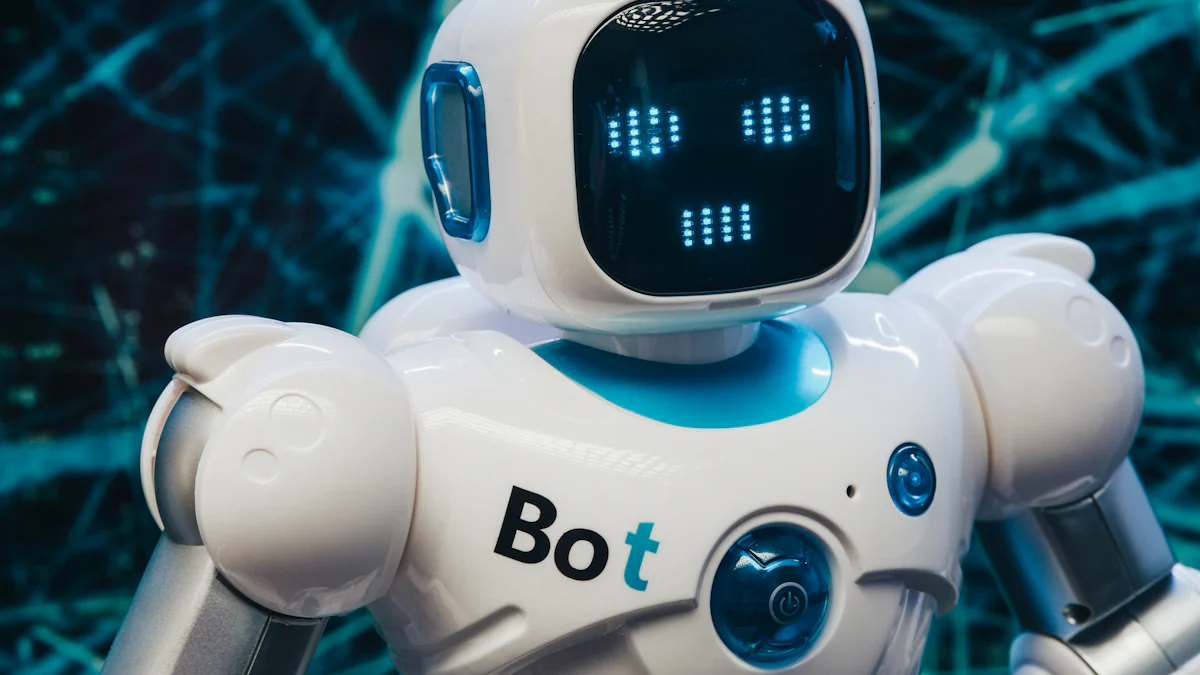
Definition and Overview
AI Affective Computing represents a fascinating intersection of technology and human emotion. It aims to bridge the gap between human emotions and technological advancements, enhancing user experience and interaction with AI-driven systems. This field focuses on developing systems capable of recognizing, interpreting, processing, and simulating human feelings and emotions. By doing so, it imbues technology with a form of emotional intelligence, allowing machines to respond more naturally to human interactions.
Origins and Development
The origins of AI Affective Computing trace back to the desire to make human-computer interactions more intuitive and emotionally aware. Researchers have long sought to create machines that understand and respond to human emotions. Over time, advancements in natural language processing, sentiment analysis, and facial recognition technologies have propelled this field forward. These innovations have laid the groundwork for systems that can accurately capture and interpret emotional cues, making interactions with technology more seamless and engaging.
Key Features and Capabilities
AI Affective Computing boasts several key features and capabilities. It utilizes methods such as facial coding, voice analysis, and other data capture techniques to assess an individual's emotional state. These technologies enable machines to recognize and simulate emotions, enhancing the quality of human-computer interaction. By understanding emotional cues, AI systems can tailor responses to suit the user's emotional state, creating a more personalized and engaging experience.
Examples in Use
Real-world Applications
AI Affective Computing finds applications across various industries. In healthcare, it assists in monitoring patient emotions, providing insights into mental health conditions. In education, it enhances learning experiences by adapting to students' emotional states. Customer service sectors benefit from AI systems that detect customer emotions, allowing for more empathetic interactions. These applications demonstrate the transformative potential of AI Affective Computing in improving user experiences.
Benefits for Enterprises
Enterprises stand to gain significantly from AI Affective Computing. By integrating emotional intelligence into their systems, businesses can enhance customer satisfaction and loyalty. Emotionally aware AI can lead to more effective marketing strategies, as it tailors content to resonate with consumers' emotions. Additionally, it aids in employee well-being by monitoring workplace emotions, fostering a healthier work environment. The supportive role of Zhongkai High-tech Zone National Foreign Trade Transformation and Upgrading Base (Electronic Information) Cloud Platform further amplifies these benefits, assisting enterprises in leveraging AI Affective Computing for growth and development.
Understanding Emotion AI
Definition and Overview
Emotion AI, a subset of affective computing, focuses on interpreting nonverbal cues to detect and understand human emotions. It analyzes facial expressions, body language, and tone of voice to identify emotional states. This technology aims to enhance human-computer interaction by enabling machines to respond empathetically to users.
Core Technologies and Innovations
Emotion AI relies on advanced technologies to interpret emotions accurately. Facial recognition software captures subtle changes in expressions, while voice analysis tools assess tone and pitch. These technologies work together to provide a comprehensive understanding of a user's emotional state. Innovations in machine learning and artificial intelligence continue to refine these tools, making them more precise and reliable.
Distinctive Characteristics
Emotion AI stands out due to its focus on nonverbal communication. Unlike sentiment analysis, which examines textual data, Emotion AI delves into the nuances of human expression. This approach allows for a deeper understanding of emotions, providing insights that text alone cannot convey. By capturing the full spectrum of human emotion, Emotion AI offers a more holistic view of user interactions.
Examples in Use
Industry Applications
Emotion AI finds applications across various sectors. In retail, it enhances customer experience by tailoring interactions based on emotional feedback. Healthcare professionals use it to monitor patient emotions, improving mental health assessments. Virtual assistants benefit from Emotion AI by offering more personalized and empathetic responses. These applications demonstrate the versatility and impact of Emotion AI in diverse industries.
Advantages for Businesses
Businesses gain significant advantages from implementing Emotion AI. By understanding customer emotions, companies can improve satisfaction and loyalty. Emotion AI enables more effective marketing strategies by aligning content with consumer feelings. Additionally, it supports employee well-being by monitoring workplace emotions, fostering a positive environment. The Zhongkai High-tech Zone National Foreign Trade Transformation and Upgrading Base (Electronic Information) Cloud Platform plays a crucial role in supporting enterprises in leveraging Emotion AI for growth and innovation.
Key Differences
Technological Approach
Underlying Technologies
AI Affective Computing and Emotion AI differ significantly in their technological foundations. AI Affective Computing serves as a broad field that integrates various technologies to recognize and simulate human emotions. It employs methods such as facial coding, voice analysis, and sentiment analysis to capture emotional cues. These technologies work together to create systems that can interpret and respond to human emotions, enhancing human-computer interaction.
Emotion AI, on the other hand, focuses specifically on analyzing and reacting to human emotions. It utilizes advanced technologies like natural language processing and facial movement analysis to detect and interpret emotional signals. By bridging the emotional gap between humans and machines, Emotion AI aims to endow machines with the ability to understand and sometimes simulate human emotions.
Methodologies and Techniques
The methodologies and techniques used in AI Affective Computing and Emotion AI also vary. AI Affective Computing combines psychology, engineering, and computer science to create systems that can detect, analyze, and respond to human emotions. It aims to imbue AI with emotional intelligence, fostering deeper connections between humans and machines.
Emotion AI, however, focuses on nonverbal communication. It analyzes facial expressions, body language, and tone of voice to identify emotional states. This approach allows for a deeper understanding of emotions, providing insights that text alone cannot convey. By capturing the full spectrum of human emotion, Emotion AI offers a more holistic view of user interactions.
Application Areas
Industry-Specific Uses
AI Affective Computing and Emotion AI find applications across various industries, but their specific uses differ. AI Affective Computing enhances user experiences in healthcare by monitoring patient emotions and providing insights into mental health conditions. In education, it adapts to students' emotional states to improve learning experiences. Customer service sectors benefit from AI systems that detect customer emotions, allowing for more empathetic interactions.
Emotion AI, meanwhile, finds applications in retail by tailoring interactions based on emotional feedback. Healthcare professionals use it to monitor patient emotions, improving mental health assessments. Virtual assistants benefit from Emotion AI by offering more personalized and empathetic responses. These applications demonstrate the versatility and impact of Emotion AI in diverse industries.
Cross-Industry Comparisons
When comparing cross-industry applications, AI Affective Computing often serves as an umbrella term encompassing various technologies that recognize and simulate human emotions. It impacts industries uniquely by enhancing human-computer interaction and personalized experiences. Emotion AI, as a subset of affective computing, focuses specifically on analyzing and reacting to human emotions, improving user experience across different sectors.
Impact on User Experience
User Interaction and Engagement
The impact of AI Affective Computing and Emotion AI on user experience is profound. AI Affective Computing enhances user interaction by recognizing and responding to emotional cues. It creates a more personalized and engaging experience by tailoring responses to suit the user's emotional state. This emotional intelligence fosters deeper connections between humans and machines, improving overall user satisfaction.
Emotion AI, with its focus on nonverbal communication, enhances user engagement by providing a more empathetic response. By understanding and interpreting emotional signals, Emotion AI enables machines to respond more naturally to human interactions. This approach improves user experience by creating a more intuitive and emotionally aware interface.
Long-term Implications for Enterprises
For enterprises, the long-term implications of AI Affective Computing and Emotion AI are significant. By integrating emotional intelligence into their systems, businesses can enhance customer satisfaction and loyalty. Emotionally aware AI can lead to more effective marketing strategies, as it tailors content to resonate with consumers' emotions. Additionally, it aids in employee well-being by monitoring workplace emotions, fostering a healthier work environment.
The Zhongkai High-tech Zone National Foreign Trade Transformation and Upgrading Base (Electronic Information) Cloud Platform plays a crucial role in supporting enterprises in leveraging these technologies for growth and innovation. By providing resources and expertise, the platform assists businesses in staying competitive and adapting to the evolving technological landscape.
AI Affective Computing and Emotion AI, while related, exhibit distinct differences. AI Affective Computing serves as a comprehensive field, integrating various technologies to recognize and simulate human emotions. Emotion AI, a subset, focuses on analyzing and reacting to these emotions. These technologies hold immense value for businesses, particularly those in the Zhongkai High-tech Zone. The Zhongkai High-tech Zone National Foreign Trade Transformation and Upgrading Base plays a pivotal role in fostering enterprise development. By providing financial support and resources, it empowers businesses to leverage these advanced technologies, driving innovation and economic growth in the region.
See Also
Easily Reach EVE Energy At The Smart Device Hub
Introducing The New Electronic Cloud Platform By Huizhou Zhongkai
Unveiling The Major Tech Players In Huizhou Zhongkai

Zhongkai High tech Zone National foreign trade transformation and Upgradi Base(Electronic Information)Cloud Platform.
Address: Zhongkai High-tech Zone,Huizhou City ,Guangdong,China
E-mail: huizhoueii@163.com 13510001271@163.com
Tel: +86-0752-3279220 Mobile: +86-13510001271
