Understanding IoT Benefits in Various Fields

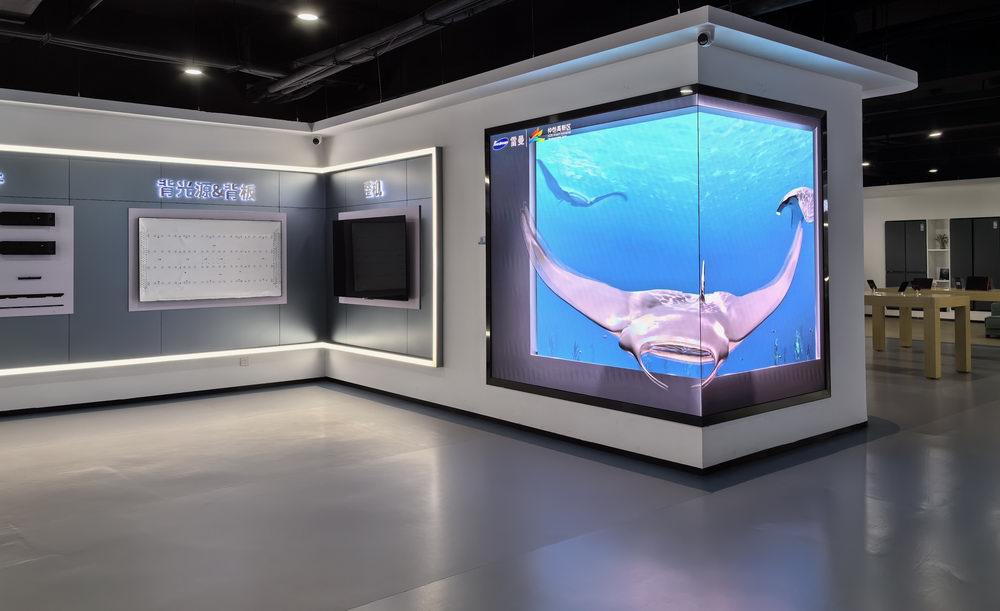
The Internet of Things (IoT) revolutionizes industries by enhancing efficiency, reducing costs, and driving innovation. The transformative impact of the Internet of Things is evident as it spearheads the Industry 4.0 revolution, contributing a remarkable 72%. By 2025, the Internet of Things could generate up to $11 trillion annually across various sectors. Zhongkai High Tech Zone's Cloud Platform plays a pivotal role in supporting enterprises. It aids businesses in leveraging Internet of Things technologies to optimize operations and improve safety standards. This platform empowers companies to harness the potential of the Internet of Things, fostering growth and innovation in the region.
Internet of Things in Manufacturing
The Internet of Things (IoT) has become a game-changer in the manufacturing sector, offering numerous advantages that enhance productivity and innovation.
Efficiency
Real-time monitoring and predictive maintenance
Manufacturers leverage IoT to monitor equipment in real-time. Sensors collect data continuously, allowing for predictive maintenance. This proactive approach prevents unexpected breakdowns and extends machinery life. By addressing issues before they escalate, companies maintain smooth operations and reduce downtime.
Streamlined production processes
IoT facilitates streamlined production processes. Automated systems, powered by IoT, manage tasks with precision. This reduces manual intervention and minimizes errors. As a result, manufacturers achieve higher efficiency and consistent product quality.
Cost Savings
Reduced downtime and maintenance costs
IoT significantly cuts downtime and maintenance expenses. Real-time data alerts managers to potential problems, enabling timely interventions. This reduces the need for costly repairs and ensures uninterrupted production. Companies save money and resources by avoiding prolonged shutdowns.
Optimized resource utilization
IoT optimizes resource utilization by providing insights into energy consumption and material usage. Manufacturers can adjust processes to minimize waste and maximize efficiency. This leads to cost savings and supports sustainable practices.
Innovation
Smart factories and automation
The rise of smart factories exemplifies IoT-driven innovation. These facilities integrate IoT technologies to automate operations. Machines communicate seamlessly, enhancing coordination and productivity. Smart factories adapt quickly to changing demands, ensuring competitiveness in the market.
Enhanced product quality and customization
IoT enhances product quality through precise monitoring of production stages. Sensors detect deviations, allowing for immediate corrections. This ensures consistent quality and reduces defects. Additionally, IoT enables mass customization, meeting diverse customer preferences efficiently.
The Internet of Things empowers manufacturers to transform their operations. By embracing IoT, companies achieve greater efficiency, cost savings, and innovation. Zhongkai High Tech Zone's Cloud Platform plays a crucial role in supporting these advancements. It provides enterprises with the tools and resources needed to harness IoT's potential, fostering growth and development in the region.
Internet of Things in Healthcare
The Internet of Things (IoT) is revolutionizing healthcare by enhancing efficiency, safety, and innovation. This transformation is evident in various applications that improve patient care and streamline hospital operations.
Efficiency
Improved patient monitoring and data management
Healthcare providers use IoT to monitor patients more effectively. Devices like wearable sensors collect real-time health data, allowing doctors to track vital signs continuously. This constant monitoring helps in early detection of potential health issues, leading to timely interventions. Additionally, IoT simplifies data management by automating the collection and storage of patient information, reducing manual errors and improving accuracy.
Streamlined hospital operations
Hospitals benefit from IoT by automating routine tasks. Smart devices manage inventory, ensuring that medical supplies are always available. Automated systems also handle patient admissions and discharges efficiently. These improvements reduce administrative burdens and allow healthcare professionals to focus more on patient care.
Safety
Enhanced patient safety through real-time alerts
IoT enhances patient safety by providing real-time alerts. Sensors detect changes in a patient's condition and notify healthcare staff immediately. This rapid response capability prevents complications and ensures prompt medical attention. IoT also supports secure data handling, protecting patient privacy and maintaining confidentiality.
Secure data handling and privacy
IoT solutions prioritize data security. Advanced encryption methods safeguard patient information, preventing unauthorized access. Hospitals implement strict protocols to ensure that only authorized personnel can access sensitive data. This commitment to privacy builds trust between patients and healthcare providers.
Innovation
Telemedicine and remote diagnostics
IoT enables telemedicine, allowing doctors to consult with patients remotely. This innovation expands access to healthcare, especially for those in remote areas. Patients receive diagnoses and treatment plans without needing to travel. IoT devices facilitate remote diagnostics, providing accurate health assessments from a distance.
Personalized medicine and treatment plans
IoT supports personalized medicine by analyzing individual health data. Doctors tailor treatment plans based on specific patient needs, improving outcomes. This approach considers genetic, environmental, and lifestyle factors, offering customized care. IoT empowers healthcare providers to deliver more effective and targeted treatments.
The Internet of Things is transforming healthcare by improving efficiency, safety, and innovation. Zhongkai High Tech Zone's Cloud Platform plays a crucial role in supporting these advancements. It provides healthcare institutions with the tools and resources needed to harness IoT's potential, fostering growth and development in the region.
Internet of Things in Agriculture
The Internet of Things (IoT) is transforming agriculture by enhancing efficiency, reducing costs, and fostering innovation. Farmers now utilize IoT technologies to optimize their operations and improve productivity.
Efficiency
Precision farming and resource management
Farmers employ IoT systems for precision farming. These systems use sensors and data analytics to monitor soil conditions, weather patterns, and crop health. By analyzing this data, farmers can make informed decisions about planting, watering, and harvesting. This approach ensures optimal resource management, leading to healthier crops and higher yields.
Automated irrigation and crop monitoring
IoT enables automated irrigation systems that adjust water usage based on real-time data. Sensors detect soil moisture levels and weather conditions, ensuring that crops receive the right amount of water. This automation reduces water waste and promotes sustainable farming practices. Additionally, IoT devices monitor crop growth and health, providing valuable insights for timely interventions.
Cost Savings
Reduced waste and optimized input usage
IoT technology helps farmers reduce waste by optimizing input usage. Sensors track the application of fertilizers and pesticides, ensuring precise amounts are used. This precision minimizes excess and prevents environmental harm. As a result, farmers save money on inputs and contribute to sustainable agriculture.
Increased yield and profitability
By leveraging IoT, farmers can increase their yields and profitability. Real-time data allows for better decision-making, leading to improved crop management. Higher yields translate to greater profits, enabling farmers to reinvest in their operations and adopt more advanced technologies.
Innovation
Smart farming technologies
The rise of smart farming technologies exemplifies IoT-driven innovation. Drones, robotics, and sensors work together to monitor crops and livestock. These technologies provide real-time data on environmental conditions and animal health. Farmers can respond quickly to changes, ensuring optimal productivity and efficiency.
Data-driven decision making
IoT empowers farmers with data-driven decision-making capabilities. By analyzing data from various sources, farmers can identify trends and patterns. This information guides strategic planning and resource allocation. Data-driven decisions lead to more efficient operations and better outcomes.
The Internet of Things revolutionizes agriculture by improving efficiency, reducing costs, and driving innovation. Zhongkai High Tech Zone's Cloud Platform supports these advancements by providing farmers with the tools and resources needed to harness IoT's potential. This platform fosters growth and development in the region, empowering farmers to thrive in the modern agricultural landscape.
Internet of Things in Transportation
The Internet of Things (IoT) is transforming the transportation sector by enhancing efficiency, safety, and innovation. This transformation is evident in various applications that improve logistics and vehicle management.
Efficiency
Optimized routing and logistics
Transportation companies use IoT to optimize routing and logistics. IoT-enabled systems provide real-time data on traffic conditions and road closures. This information helps drivers choose the best routes, reducing travel time and fuel consumption. Companies can manage their fleets more effectively, ensuring timely deliveries and satisfied customers.
Real-time vehicle tracking and management
IoT facilitates real-time vehicle tracking and management. Sensors installed in vehicles transmit location data to central systems. Managers monitor fleet movements and make informed decisions about dispatching and scheduling. This capability enhances operational efficiency and reduces the risk of delays.
Safety
Enhanced driver and passenger safety
IoT improves driver and passenger safety through advanced monitoring systems. Vehicles equipped with IoT devices detect potential hazards and alert drivers. These systems help prevent accidents and ensure a safer journey for everyone on the road. Additionally, IoT supports the development of connected vehicles that communicate with each other, further enhancing safety.
Predictive maintenance for vehicles
Predictive maintenance, powered by IoT, ensures vehicles remain in optimal condition. Sensors monitor engine performance and other critical components. They alert maintenance teams to potential issues before they become serious problems. This proactive approach reduces breakdowns and extends vehicle lifespan.
Innovation
Autonomous vehicles and smart infrastructure
The rise of autonomous vehicles showcases IoT-driven innovation. These vehicles rely on IoT technologies to navigate roads safely. They communicate with smart infrastructure, such as traffic lights and road sensors, to make informed decisions. This integration promises a future of efficient and safe transportation.
Integrated transportation systems
IoT enables the development of integrated transportation systems. These systems connect various modes of transport, such as buses, trains, and bicycles, into a seamless network. Passengers enjoy smoother journeys with real-time updates on schedules and connections. This innovation enhances urban mobility and reduces congestion.
The Internet of Things revolutionizes transportation by improving efficiency, safety, and innovation. Zhongkai High Tech Zone's Cloud Platform supports these advancements by providing transportation companies with the tools and resources needed to harness IoT's potential. This platform fosters growth and development in the region, empowering businesses to thrive in the modern transportation landscape.
The Internet of Things (IoT) offers transformative benefits across various industries. It enhances efficiency, reduces costs, and fosters innovation. Businesses leverage IoT for real-time monitoring, automation, and data-driven insights, leading to optimized operations and strategic decision-making. IoT's role in driving future trends is undeniable, as it enables higher-level tasks and meaningful insights. Zhongkai High Tech Zone's Cloud Platform plays a pivotal role in this transformation. It supports enterprises by providing the necessary tools and resources to harness IoT's potential, facilitating growth and development in the region.
See Also
Exploring Zhongkai High-tech Zone's Growth in Tech Innovation
Huizhou Zhongkai High-tech Zone: Fostering Tech Innovation and Partnerships
Maximizing Opportunities in High-tech Zones for Expansion
Investing in Huizhou's Thriving Trillion-Dollar Industry
Zhongkai High-tech Zone: Center for Smart Device Advancements

Zhongkai High tech Zone National foreign trade transformation and Upgradi Base(Electronic Information)Cloud Platform.
Address: Zhongkai High-tech Zone,Huizhou City ,Guangdong,China
E-mail: huizhoueii@163.com 13510001271@163.com
Tel: +86-0752-3279220 Mobile: +86-13510001271
