Virtual Reality in Everyday Life: Pros and Cons Unveiled

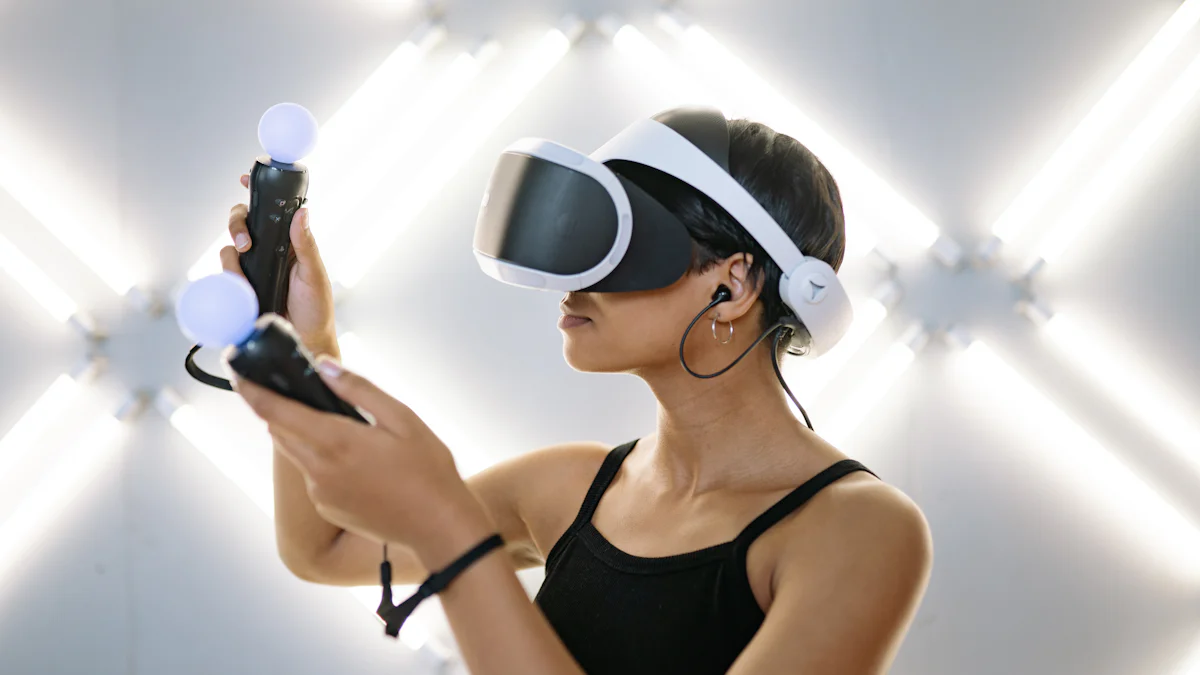
Virtual reality represents a groundbreaking technology that immerses users in simulated environments, offering experiences that feel remarkably real. This innovation has seen rapid adoption, with over 70.8 million Americans engaging with it monthly in 2023. Its applications span diverse fields, from gaming and healthcare to education and workforce training. By enabling users to interact with virtual worlds, it enhances learning, entertainment, and even professional development. As its popularity grows, virtual reality continues to redefine how individuals connect with technology, making it an integral part of modern life.
Key Takeaways
Virtual reality (VR) enhances entertainment by providing immersive experiences that engage users like never before, making activities more dynamic and memorable.
In education and training, VR significantly boosts learning effectiveness, allowing users to retain information better and gain hands-on experience in a risk-free environment.
VR improves accessibility by breaking geographical barriers, enabling users to explore new places and attend events from home, thus making experiences more inclusive.
Health and wellness applications of VR offer innovative ways to manage mental and physical well-being, from therapy for anxiety to gamified rehabilitation exercises.
Despite its benefits, VR poses challenges such as high costs, potential health risks, and privacy concerns that users must consider before adoption.
Excessive use of VR can negatively impact real-world social interactions, leading to isolation and a decline in face-to-face relationships.
As VR technology evolves, it is essential to balance its immersive benefits with responsible usage to ensure a healthy integration into daily life.
Advantages of Virtual Reality in Everyday Life

Immersive Experiences for Entertainment and Relaxation
Virtual reality transforms entertainment by offering deeply immersive experiences. Users can explore virtual worlds, participate in interactive games, or enjoy cinematic content that feels lifelike. Unlike traditional media, VR places individuals at the center of the action, creating a sense of presence that enhances engagement. For example, VR gaming allows players to physically interact with their surroundings, making the experience more dynamic and memorable. Similarly, virtual reality provides relaxation opportunities through simulated environments like serene beaches or tranquil forests, helping users unwind after a stressful day. This technology redefines how people consume entertainment and find moments of peace in their daily lives.
Enhanced Learning and Training Opportunities
Virtual reality revolutionizes education and training by delivering interactive and practical experiences. Studies reveal that VR training boosts learning effectiveness by 76% compared to traditional methods. Learners retain information four times better when using VR, as it immerses them in realistic scenarios. For instance, medical students can practice surgeries in a risk-free environment, while aviation trainees can simulate complex flight operations. VR also increases confidence in applying learned skills, with a 275% improvement compared to traditional classroom training. By bridging the gap between theory and practice, virtual reality ensures learners gain hands-on experience, making education more impactful and engaging.
Improved Accessibility and Convenience
Virtual reality enhances accessibility by bringing experiences and opportunities directly to users. It eliminates geographical barriers, allowing individuals to explore distant locations or attend virtual events from the comfort of their homes. For example, VR enables virtual tours of historical landmarks, museums, or even real estate properties, saving time and resources. Additionally, it provides convenience in professional settings, such as remote collaboration through virtual meetings or immersive design reviews. By integrating VR into daily routines, individuals can access services and experiences that were once out of reach, making life more efficient and inclusive.
Health and Wellness Applications
Virtual reality has emerged as a transformative tool in promoting health and wellness. It provides users with innovative ways to manage physical and mental well-being. For instance, VR-based therapy offers immersive environments that help individuals cope with anxiety, phobias, or post-traumatic stress disorder (PTSD). By simulating controlled scenarios, therapists can guide patients through gradual exposure, fostering emotional resilience.
In physical rehabilitation, virtual reality enhances recovery by gamifying exercises. Patients engage in interactive activities that improve motor skills and coordination. This approach not only motivates users but also tracks progress in real time, ensuring personalized treatment plans. Additionally, VR fitness applications create engaging workout routines, allowing users to exercise in virtual landscapes like mountain trails or underwater worlds. These experiences make fitness enjoyable and accessible, encouraging consistent participation.
Virtual reality also supports mindfulness and relaxation. Simulated environments, such as serene beaches or tranquil forests, provide users with a space to meditate and reduce stress. This technology empowers individuals to prioritize self-care, even in busy schedules. By integrating VR into health and wellness practices, users can achieve a balanced lifestyle with greater ease.
Expanding Social Connections
Virtual reality redefines how people connect and interact socially. It bridges geographical distances, enabling users to meet friends, family, or colleagues in shared virtual spaces. Platforms like VRChat or Horizon Worlds allow individuals to engage in activities together, such as attending virtual concerts, exploring digital art galleries, or simply having conversations. These experiences foster a sense of presence and community, even when participants are miles apart.
For individuals with mobility challenges or social anxiety, virtual reality offers a safe and inclusive environment to build relationships. Users can participate in group activities, join support networks, or attend virtual events without leaving their homes. This accessibility promotes inclusivity and empowers individuals to expand their social circles.
Moreover, virtual reality enhances professional networking. Businesses utilize VR for virtual conferences, team-building exercises, and collaborative projects. These immersive interactions strengthen connections and improve communication among team members. By leveraging virtual reality, individuals and organizations can cultivate meaningful relationships in both personal and professional spheres.
Disadvantages of Virtual Reality in Everyday Life
High Costs and Accessibility Barriers
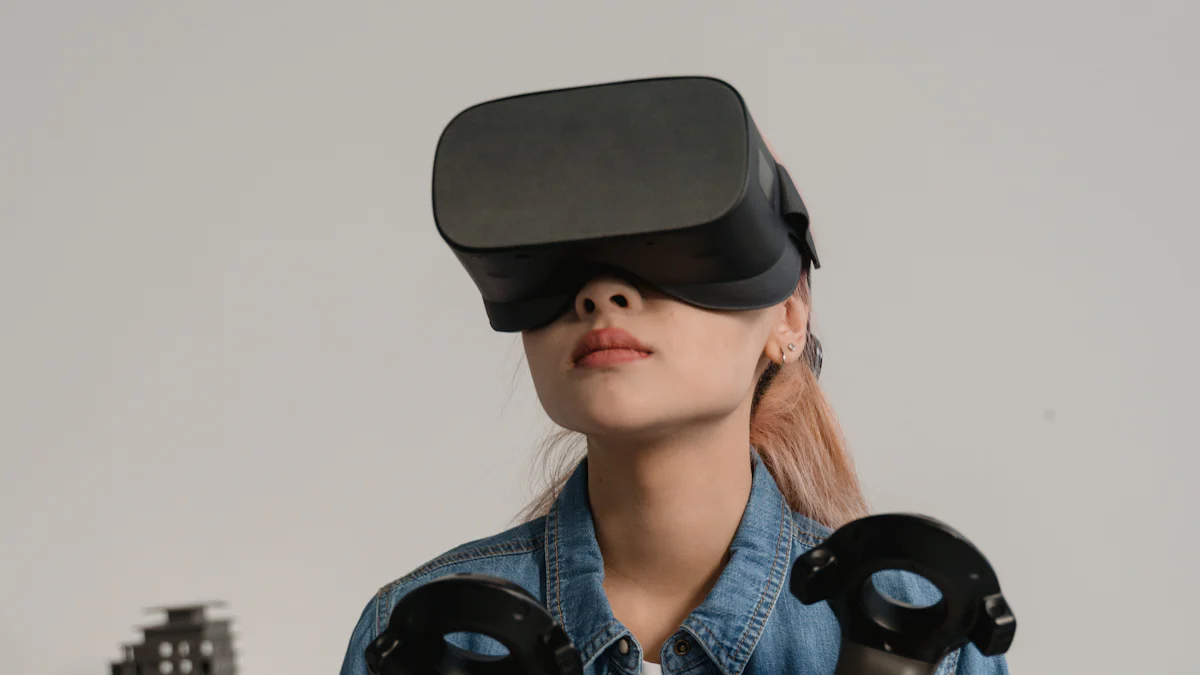
Virtual reality remains an expensive technology, creating challenges for widespread adoption. The cost of VR headsets, compatible hardware, and software often exceeds the budget of many individuals and organizations. High-end devices, such as those used for professional training or gaming, require significant investment. Additionally, maintaining and upgrading VR systems adds to the financial burden.
Accessibility also poses a challenge. Many regions lack the infrastructure to support VR, including reliable internet connections and technical expertise. This limitation restricts access for individuals in rural or underdeveloped areas. Furthermore, individuals with physical disabilities may face difficulties using VR devices, as many systems are not designed with inclusivity in mind. These barriers highlight the need for more affordable and accessible solutions to make virtual reality a viable option for everyone.
Potential Health Concerns
Prolonged use of virtual reality can lead to various health issues. Users often report symptoms such as eye strain, headaches, and dizziness after extended VR sessions. These symptoms, commonly referred to as "virtual reality sickness," occur due to the disconnect between visual input and physical sensations. For some individuals, these effects can persist even after they stop using VR devices.
Physical health concerns also arise from sedentary behavior during VR usage. Spending long hours in virtual environments reduces physical activity, increasing the risk of obesity and related health problems. Additionally, improper posture while using VR equipment can lead to musculoskeletal issues, such as neck and back pain.
Mental health risks should not be overlooked. Immersive VR experiences may cause users to lose touch with reality, leading to feelings of disorientation or detachment. In extreme cases, excessive VR use can contribute to social isolation and exacerbate existing mental health conditions. Addressing these concerns requires responsible usage and the development of safety guidelines for VR technology.
Impact on Social Interactions
Virtual reality, while enhancing digital connections, can negatively affect real-world social interactions. Users who spend excessive time in virtual environments may neglect face-to-face relationships. This shift can weaken bonds with family and friends, reducing the quality of personal connections. Over-reliance on VR for communication may also hinder the development of essential social skills, particularly among younger users.
The immersive nature of VR can create a preference for virtual interactions over real-life experiences. Individuals may prioritize virtual friendships or activities, leading to a decline in participation in community events or social gatherings. This behavior risks fostering a sense of isolation, as users become more engrossed in their virtual lives.
Moreover, the anonymity of virtual platforms can encourage negative behaviors, such as cyberbullying or harassment. Without proper moderation, these issues can escalate, creating toxic environments that deter meaningful interactions. Balancing virtual and real-world connections is crucial to maintaining healthy social relationships in the age of virtual reality.
Privacy and Security Risks
Privacy and security concerns present significant challenges in the adoption of virtual reality. The technology collects vast amounts of user data, including biometric information such as eye movements, facial expressions, and physical gestures. This data enables VR systems to create personalized experiences but also raises concerns about potential misuse. Unauthorized access to this sensitive information could lead to identity theft or other malicious activities.
The immersive nature of VR environments also introduces risks related to surveillance and data tracking. Companies may monitor user behavior within virtual spaces to gather insights for targeted advertising or other purposes. Without stringent regulations, this practice could infringe on individual privacy rights. Users often remain unaware of the extent of data collection, leaving them vulnerable to exploitation.
Security vulnerabilities in VR platforms further exacerbate these risks. Hackers could exploit weak points in the system to gain control over devices or access private information. For instance, compromised VR applications might expose users to phishing attacks or malware. Ensuring robust cybersecurity measures is essential to protect users from such threats.
Moreover, the integration of VR with other technologies, such as the Internet of Things (IoT), amplifies these concerns. Connected devices increase the attack surface, making it easier for cybercriminals to infiltrate networks. Addressing these issues requires a proactive approach, including transparent data policies, user education, and advanced encryption techniques.
Technical Limitations and Challenges
Technical limitations hinder the widespread adoption and effectiveness of virtual reality. High-quality VR experiences demand powerful hardware, including advanced processors, high-resolution displays, and precise motion sensors. These requirements often result in bulky and expensive devices, making them less accessible to the average consumer.
Latency issues pose another challenge. Delays between user actions and system responses can disrupt the immersive experience, causing frustration or discomfort. In some cases, latency contributes to motion sickness, deterring users from prolonged engagement. Developers must optimize software and hardware to minimize these delays and enhance user satisfaction.
Compatibility problems also arise due to the lack of standardization across VR platforms. Devices from different manufacturers may not work seamlessly together, limiting content availability and user options. This fragmentation creates barriers for developers and consumers alike, slowing the growth of the VR ecosystem.
Battery life remains a critical concern for portable VR devices. Intensive processing demands drain power quickly, restricting usage time and mobility. Users often need to recharge devices frequently, which diminishes convenience and practicality.
Finally, the steep learning curve associated with VR technology can deter new users. Operating VR systems requires familiarity with specialized equipment and interfaces. For individuals unfamiliar with advanced technology, this complexity can feel overwhelming. Simplifying user interfaces and providing comprehensive tutorials could help bridge this gap and encourage broader adoption.
Virtual reality offers a mix of transformative benefits and notable challenges in daily life. It enhances entertainment, education, and social connections while presenting concerns like high costs and health risks. Individuals must evaluate these factors carefully before integrating VR into their routines. Personal needs, such as accessibility or professional goals, should guide decisions about its adoption.
Approximately 41% of adults express interest in trying VR, highlighting its growing appeal. The 18-35 age group, particularly men, shows the highest intent to purchase VR systems, reflecting its potential to shape future lifestyles.
As technology evolves, virtual reality will likely redefine how society interacts, learns, and thrives.
See Also
Discovering Zhongkai's Unexpected Advantages for Mobile Manufacturing
Investigating iFlight's Influence Within the Tech Hub
Unveiling Zhongkai High-Tech Zone as an Innovation Center
Mobile Smart Device Production Base: Easily Reach EVE Energy

Zhongkai High tech Zone National foreign trade transformation and Upgradi Base(Electronic Information)Cloud Platform.
Address: Zhongkai High-tech Zone,Huizhou City ,Guangdong,China
E-mail: huizhoueii@163.com 13510001271@163.com
Tel: +86-0752-3279220 Mobile: +86-13510001271
